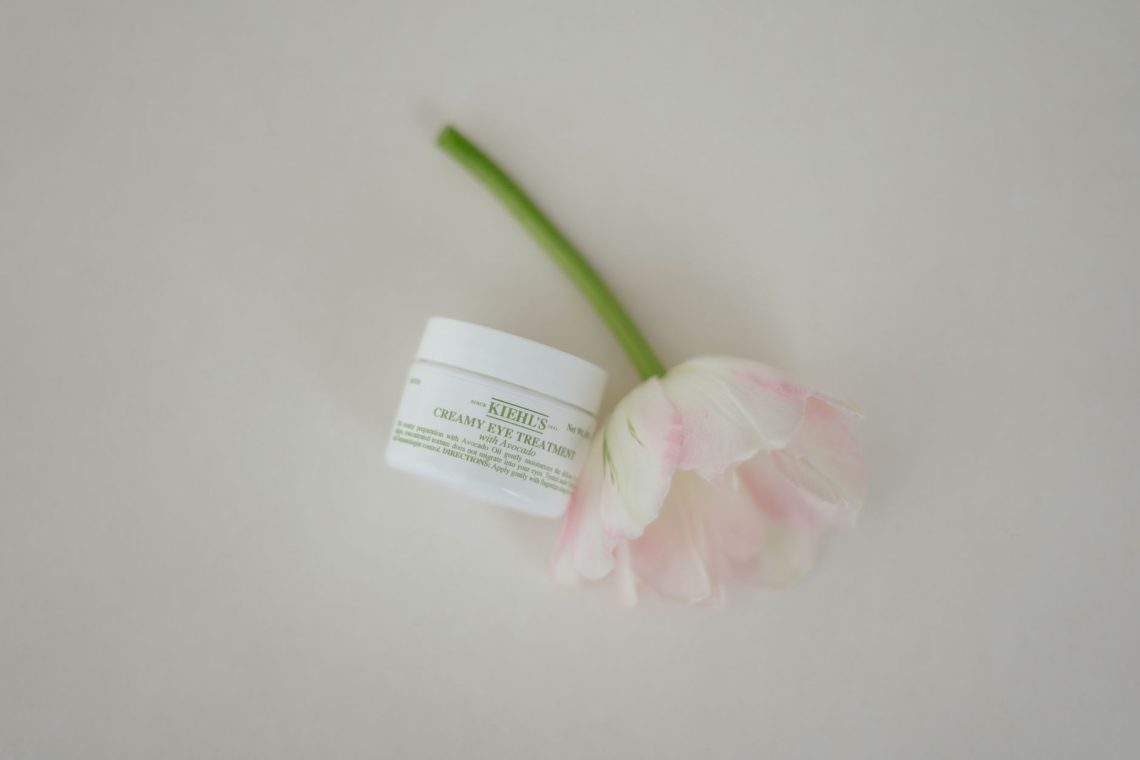
Eye cream can make the skin around your eyes feel more comfortable before makeup, yet it is frustrating when concealer turns it into little rolls. You tap on your base, try to smooth the bits away and suddenly have more texture than when you started. Adding another layer rarely makes the situation easier.
The useful change is often a lighter hand and a better pause between steps. Apply a small amount, spread it with gentle taps and let the surface settle before you reach for concealer. Here is how to build that into your morning without turning getting ready into a lengthy ritual.
First, check that it really is pilling
Pilling looks like tiny crumbs or soft rolls of product that gather as you work over the skin. You might notice them on a fingertip, along the edge of your concealer or beneath the outer corner of an eye. They can appear before makeup, too, particularly when several skincare layers are sitting together.
This is different from concealer creasing, where colour settles into a fold, or dry patches showing through your base. Look at what happens while you apply the products. If rubbing creates little removable rolls, treat it as a layering problem. If the skin itself looks flaky, repeatedly rubbing the area will only make achieving a smooth finish harder.
Start with a simpler under-eye routine
Before changing your technique, consider how much you are putting in one small area. A serum, face moisturiser, eye cream, sunscreen, primer and concealer can leave plenty of material for a brush to disturb. You do not need to take every facial product right up beneath your lashes.
Use your eye cream according to its directions and check where the manufacturer says to apply it. Some formulas are intended for the area around the eyes but are not suitable for eyelids. Keep product out of your eyes and avoid placing it directly against the lash line unless the instructions specifically allow that use.
If your usual moisturiser already leaves this area comfortable and is suitable for use there, a separate eye cream may be an optional step. On makeup mornings, choose a routine that gives you comfortable skin without leaving a thick, slippery coating.
How to apply eye cream with light taps
1. Begin with clean hands and a settled surface
After cleansing, gently pat your face with a towel. Avoid scrubbing beneath your eyes. If you have applied another skincare layer, give it a moment to settle before adding the eye cream. A visibly wet surface makes it harder to judge how much cream you need and whether you have spread it evenly.
2. Take less than you think you need
Follow the amount suggested on the packaging. If no amount is given, start with a tiny dab, divide it between both eyes and assess the coverage before taking more. You are aiming for a fine layer rather than a visible crescent of cream.
Put a little product onto a clean fingertip first so you can control the amount. Depositing a generous squeeze straight beneath one eye makes it tempting to keep massaging until it disappears. That extra working of the area is exactly what you want to avoid.
3. Place small dots around the permitted area
Dot the cream lightly along the bony area beneath the eye, following the product’s placement instructions. Leave room between the cream and your lashes. Keep the dots small and spaced out so they can join into a thin layer without travelling into the eye.
4. Tap, lift and move on
Use whichever finger gives you the gentlest control; many people find the ring finger convenient. Touch down softly, lift away and move to the next spot. Think of joining the dots with light presses, rather than polishing the skin in circles.
Your skin should not visibly drag with each touch. If it does, ease the pressure. Continue only until the cream is evenly distributed, then stop. You do not need to keep tapping until the area feels completely dry, and a slightly cushioned finish does not automatically mean the product needs more rubbing.
Give it time before applying makeup
There is no single waiting time that suits every eye cream, amount and skincare routine. As a practical starting point, leave a few minutes between applying it and beginning your base. Use that gap to brush your brows, choose a lipstick or style your hair.
Check the surface rather than relying only on the clock. It should feel comfortable, without a wet layer that moves readily under a light touch. If it still feels heavily coated, waiting longer may help, but you may also have applied too much. Next time, reduce the amount instead of automatically extending the pause.
If there is obvious excess, gently press a clean tissue against it and lift away. Do not wipe backwards and forwards. Do this before sunscreen; blotting after sunscreen could disturb the layer you have just applied.
Keep sunscreen in your morning routine and follow its instructions for application and timing. Allow each layer to settle before moving on, and do not reduce your sunscreen amount simply to make concealer behave.
Press concealer on without disturbing the layers
Once your skincare and sunscreen have settled, apply concealer only where you want coverage. Start with a small dot near the area of darkness, then add another if needed. A broad, thick triangle beneath the eye gives you more product to blend and more opportunity to move the layers underneath.
Use a fingertip, a small brush or a clean makeup sponge to press the concealer into place. Keep the movement short and gentle. If using a sponge, squeeze out excess water first so it feels lightly damp rather than wet. Avoid sweeping repeatedly across the entire under-eye area.
Blend the edges, then step back and assess. More tapping is not always better once the finish looks even. If you use powder, apply a small amount only where needed after the concealer has settled. Powder will not repair a layer that is already rolling up.
What to do if little rolls still appear
Stop working over the patch as soon as you notice pilling. Repeated blending tends to gather more product into the same spot. Let the area settle, then try lifting away loose crumbs with a clean, soft brush, using very little pressure.
If the finish remains patchy, gently remove the affected makeup and rebuild that small section with fewer layers. Avoid scrubbing at the skin or trying to bury the rolls beneath extra concealer. If removal disturbs your sunscreen, reapply it as directed before replacing your makeup.
For the next application, change one thing at a time so the result is useful:
- Reduce the eye cream: start here if the skin feels coated before makeup.
- Extend the pause: try this if you normally apply concealer immediately.
- Remove an optional layer: skip under-eye primer if you do not need it.
- Use less movement: press concealer on instead of buffing it across the skin.
If the same combination keeps pilling, consider using your richer eye cream in the evening, provided its directions suit that routine. For mornings, a lighter texture may sit more comfortably beneath your usual makeup. Judge the combination by how it wears on you rather than assuming that every product with a particular ingredient will behave alike.
The aim is a comfortable, thin layer followed by an unhurried transition to makeup. Small dots, gentle taps and a pause give you a straightforward place to start, without making the delicate eye area work harder for a smooth finish.