Most women’s shoes raise the heel. Zero-drop shoes do not. That small change can alter how your feet, ankles, and legs feel after a full day, but it does not make every zero-drop shoe a good buy.
What Zero-Drop Shoes Actually Change
Zero drop is about heel height, not comfort
A zero-drop shoe places your heel and forefoot at the same height. A regular running shoe might have a 6mm to 12mm heel-to-toe drop, while a fashion sneaker often adds even more height under the heel. Zero-drop shoes remove that slope. They encourage a flatter standing position and give your ankle less built-in forward tilt.
That does not mean every pair feels thin or harsh. Some zero-drop shoes have foam cushioning, padded collars, and supportive uppers. The category includes flexible barefoot shoes, roomy casual sneakers, and cushioned trainers. The shared feature is the level platform.
The toe box matters just as much
A narrow shoe squeezes the toes together, even if the sole sits flat. The best women’s zero-drop shoes pair a level platform with enough room for the big toe to point forward and the smaller toes to spread. This can make a bigger difference than the drop number alone.
My basic verdict: choose zero drop for a flatter, more natural stance and a roomy toe box. Do not choose it because the label sounds healthy. A flat shoe with a cramped front is still a bad shoe.
How to Choose a Pair Your Feet Can Tolerate
Use this five-step fit check
- Measure both feet. Stand on paper and measure from the longest toe to the heel. Use the larger foot when selecting a size.
- Leave about 10mm to 12mm of space beyond the longest toe. Your foot moves forward when you walk, and a tight toe box quickly becomes irritating.
- Check width at the ball of the foot. If the upper bulges over the midsole, the shoe is too narrow even when the length feels correct.
- Look for a flexible forefoot. You should be able to bend the shoe near the toes, not only at the middle of the sole.
- Match the sole to your routine. A 4mm minimalist sole feels very different from a cushioned 24mm zero-drop trainer.
Start slowly if you wear raised heels now
Do not switch from heeled boots or thick running shoes to all-day minimalist footwear in one weekend. Wear the new shoes for 30 to 60 minutes at home first. Add short walks over the next two weeks. Your calves and Achilles tendon may work harder because the heel is no longer lifted.
Stop if you get sharp pain, numbness, or swelling. Mild muscle fatigue is one thing. Persistent pain is a reason to return to your previous shoes and speak with a qualified clinician.
Pick the shape before the branding
Women’s feet are not automatically narrower than men’s feet. Ignore gendered sizing when the shape does not fit. A wider women’s model with a secure heel is better than a slim shoe that looks delicate but pinches the toes.
The Best Zero-Drop Shoes for Women, Compared
Five pairs worth putting on your shortlist
These are the strongest options for different uses. Prices are typical list prices and can change by color, season, or retailer. The best overall choice for most first-time buyers is the Xero Shoes Prio because it combines a flexible feel, a practical upper, and a lower price than many minimalist brands.
| Model | Typical price | Drop and sole | Best use | Verdict |
|---|---|---|---|---|
| Xero Shoes Prio | $100 | 0mm; 5.5mm FeelTrue sole | Daily wear and light training | Best first pair |
| Vivobarefoot Primus Lite III | $170 | 0mm; about 4mm sole | Minimalist training and sleek outfits | Best premium pick |
| Lems Primal 2 | $115 | 0mm; about 9mm stack | Walking and wide feet | Best roomy option |
| Feelgrounds Original | $129 | 0mm; about 5mm sole | Travel and casual outfits | Best lightweight style |
| Altra Escalante 4 | $130 | 0mm; about 24mm stack | Running and cushioned walking | Best non-minimalist alternative |
Choose based on the tradeoff
The Vivobarefoot Primus Lite III looks the sharpest with tapered trousers and technical clothing, but its thin sole gives you more ground feel and less padding. The Lems Primal 2 has a much roomier shape and more cushion, making it easier for long walks, but it looks more like a casual sneaker than a polished work shoe.
Do not confuse Altra with barefoot footwear
The Altra Escalante 4 is still zero drop, but its thicker foam sole delivers a softer ride than the other options here. That makes it the smartest choice for runners who want a level platform without giving up cushion. It is not the pick for someone seeking maximum ground feel.
The Fastest Way to Regret Buying Zero-Drop Shoes
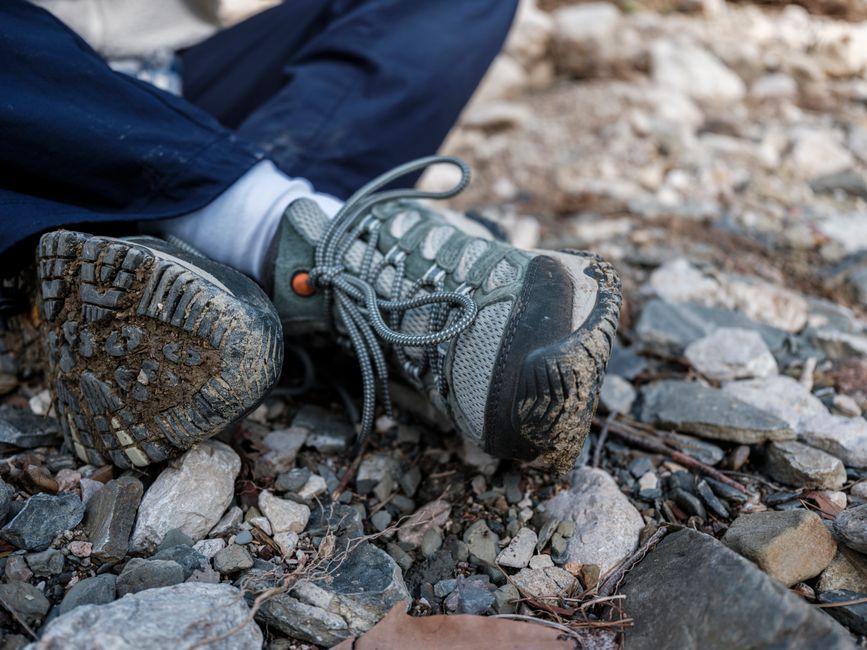
Buy the shoe for the transition you can handle, not the foot philosophy you admire. The most common mistake is choosing the thinnest sole, wearing it for eight hours, and blaming the shoe when the calves tighten. The second mistake is ordering the same size as a conventional sneaker without checking the brand’s length chart; minimalist shoes often use a different shape, and a roomy toe box can make the shoe feel longer even when the fit is correct. A third mistake is ignoring the heel hold: extra space in front is useful, but a loose heel creates slipping and rubbing. Do not buy a zero-drop pair for a formal event if the upper looks like gym equipment, and do not buy a flexible barefoot shoe for rocky trails unless it has enough outsole protection. Skip zero drop entirely if a medical professional has told you to use a specific heel lift or structured shoe. The goal is a shoe that fits your life. Flat is useful; flat at any cost is not.
Which Pair Looks Best With Real Clothes?
For jeans and everyday outfits, choose the Xero Shoes Prio
The Xero Shoes Prio has the easiest wardrobe range. Its low profile works with straight-leg jeans, relaxed denim, cargo trousers, and leggings without making the foot look oversized. Choose black, white, or a muted neutral if you want one pair to cover most casual outfits. The $100 price also makes it less painful if you discover that a minimalist sole is not for you.
For a cleaner premium look, choose the Vivobarefoot Primus Lite III
The Primus Lite III is the better fashion pick when you wear cropped trousers, monochrome outfits, or streamlined travel clothes. It has a sleeker shape than the Lems Primal 2 and looks less like a comfort shoe. The tradeoff is clear: its roughly 4mm sole gives less cushion, and the $170 price is high for a shoe that may require a gradual transition.
For wide feet or long walking days, choose the Lems Primal 2
The Lems Primal 2 wins on space. Its broad toe area suits feet that feel squeezed in standard sneakers, and its thicker sole is friendlier for city walking. It pairs best with wide-leg jeans, denim, utility trousers, and casual dresses. It is not the sleekest option, but it is the pair I would choose for comfort over appearance.
Zero-Drop Shoe Questions, Answered
Are zero-drop shoes good for beginners?
Yes, if you transition slowly and start with a moderately cushioned model. The Xero Shoes Prio or Altra Escalante 4 is easier for a first pair than an ultra-thin barefoot shoe. Wear them for short periods, then increase time as your legs adjust.
Can women wear zero-drop shoes all day?
Many can, but the sole and fit decide the answer. A 5mm to 9mm sole usually feels more practical for commuting and errands than a very thin sole. The shoe must also hold the heel securely and leave room for toe movement. If your feet ache after two hours, the answer is not to force a longer break-in period.
Should you buy zero-drop shoes for running?
Buy them only if you want a level platform and can build mileage gradually. The Altra Escalante 4 is the best running option in this group because its 24mm foam stack offers more protection. For daily fashion and light workouts, the Xero Shoes Prio is the better buy. For a first pair that can handle normal outfits, walking, and basic training, start with the Prio.