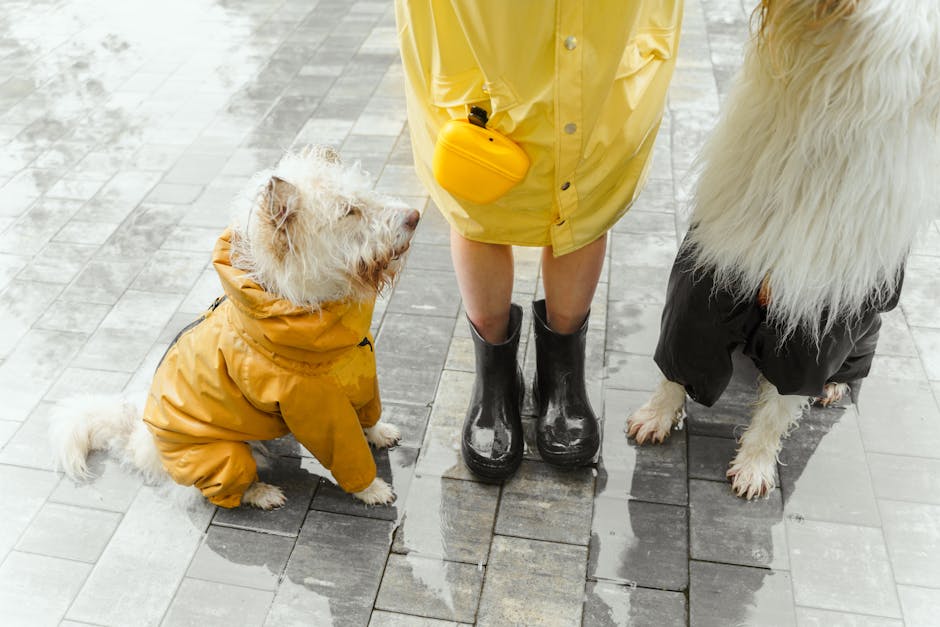
So, you’re looking for the best raincoat for your Vizsla, right? You’ve probably already bought one or two that just… didn’t quite cut it. I’ve been there. For years, I struggled through soggy walks, muddy bellies, and a perpetually damp dog smell that seemed to cling to everything. I wasted so much money on raincoats that promised the world but delivered a wet, miserable Vizsla.
After nearly a decade of trial and error, I’ve learned exactly what works and, more importantly, what absolutely doesn’t. Forget the generic nylon shells. Your Vizsla, with their short hair, deep chest, and active nature, needs something specific. I’m going to tell you exactly what those cheap options miss and which brands actually deliver.
Don’t Waste Money on Cheap Raincoats (What I Learned the Hard Way)
Look, I get the appeal of a $20 raincoat from a big box store. It seems like a good deal. It’s colorful. It promises to keep your dog dry. But for a Vizsla? It’s a complete waste of money. I bought several of these early on, thinking “a raincoat is a raincoat,” and I was wrong every single time. These coats fail in predictable, frustrating ways, leaving you with a dog who’s just as wet as if they’d worn nothing at all.
The biggest issue is coverage. Vizslas have a unique build: a deep chest and slender waist. Most generic raincoats are cut for stockier breeds. This means a gaping hole under the chest, letting rain splash up all over their belly and legs. You might as well just put a hat on them and call it a day. Then there’s the material, which often feels more like a glorified trash bag than actual rain gear. It’s thin, tears easily, and quickly loses any water resistance it might have had. Don’t fall for it.
The "Sizing Up" Trap
When you realize a standard size doesn’t fit your Vizsla’s deep chest, your first thought might be to size up. I did this. It’s a mistake. While a larger size might cover their chest better, it then becomes baggy everywhere else. The back end flaps around, the legs get caught, and the coat slides sideways. This creates new problems: chafing, restricted movement, and still not truly keeping them dry because the fit is so poor around the neck and belly. A raincoat needs to fit snugly but comfortably, allowing full range of motion without gaping. Sizing up just creates a different set of problems.
Why Thin Nylon Doesn’t Cut It
Most budget raincoats use a simple, thin nylon fabric. It might look water-resistant in the store, but in a real downpour, it soaks through quickly. Worse, it doesn’t breathe. Imagine wearing a plastic bag while running around. That’s what it feels like for your dog. They get hot and sweaty underneath, and that moisture traps against their skin, making them feel damp and uncomfortable even if the rain isn’t getting through directly. Vizslas are high-energy dogs. They need a coat that protects from rain but also allows some air circulation to prevent overheating. That cheap nylon just doesn’t offer that balance.
What a Vizsla Raincoat Absolutely Needs

Okay, so we know what *not* to get. But what are the non-negotiables? After years of frustrating purchases, I’ve boiled it down to a few critical features. If a raincoat doesn’t tick these boxes, save your money and keep looking. These points are especially important for a Vizsla’s lean, athletic build and short coat. They need maximum coverage and smart design to truly stay dry and comfortable.
- Deep Chest and Belly Coverage: This is probably the most crucial. Vizslas have deep chests. A good raincoat needs to wrap underneath their entire chest and belly, protecting them from splashes and driving rain. Many coats cut off too high, leaving their vulnerable underside exposed. Look for designs with a wide, adjustable belly panel that extends well past the elbows.
- Leg and Upper Thigh Protection: While full-leg sleeves might be overkill for a raincoat, decent coverage over the upper thighs and shoulders is vital. Rain doesn’t just fall straight down; it blows sideways. Your Vizsla will get wet on their sides and upper legs without this.
- Secure, Adjustable Fit: A raincoat should fit like a second skin without being restrictive. Look for multiple adjustment points: around the neck, chest, and belly. Velcro straps are common, but buckles or elastic drawstrings can offer a more secure fit that won’t loosen during a run or shake.
- Leash Port and Collar Compatibility: This seems obvious, but some coats make leash attachment a nightmare. A well-placed, reinforced leash port (usually on the back, or an opening for a collar D-ring) is essential for practical use.
- Reflective Trim: Many of us walk our dogs in low light, especially when it’s rainy. Reflective accents are a safety feature, not a luxury. They make a huge difference in visibility to cars and cyclists.
Full Chest Coverage is Non-Negotiable
I cannot stress this enough. If the raincoat doesn’t cover your Vizsla’s entire chest and a good portion of their belly, it’s a fail. Vizslas are low riders, especially in front. When they walk through puddles or even just wet grass, water splashes up directly onto their underside. A coat that only covers their back leaves this area completely exposed. You end up with a dry back and a soaking wet, muddy belly. Look for coats with a wide, contoured chest panel that fastens securely underneath, preventing water from getting in.
The Magic of a Good Collar Design
The neck opening on a raincoat is often overlooked, but it’s key to keeping water out. A good design will have a high collar that fits snugly around your Vizsla’s neck, preventing rain from running down their back. Some even have a small hood or a drawcord to cinch the collar tighter. This also helps keep their neck and upper shoulders drier, which makes a huge difference in their overall comfort on a long, wet walk. A loose, wide neck opening is just an invitation for water to get in.
Understanding Fabric Tech: Waterproofing vs. Water Resistance
Alright, let’s get into the weeds a bit on materials, because this is where a lot of raincoats fall short. You see “waterproof” or “water-resistant” on labels, but what does it really mean? And why does it matter for your Vizsla?
Water-resistant fabrics will shed light rain for a short period. Think of a light jacket. The water beads up and rolls off initially, but sustained exposure or heavier downpours will eventually penetrate the fabric. This is often achieved with a DWR (Durable Water Repellent) coating on the outer surface. It’s better than nothing, but it won’t keep your Vizsla dry in a true storm.
Waterproof fabrics, on the other hand, are designed to completely prevent water penetration, no matter how heavy the rain or how long the exposure. This isn’t just about the fabric itself, but how the garment is constructed. True waterproof materials usually involve a membrane (like Gore-Tex, though you rarely see this in dog coats) or a heavy polyurethane (PU) coating on the inside of the fabric. But here’s the kicker: even if the fabric is waterproof, if the seams aren’t sealed, water will leak right through the needle holes.
For a Vizsla, who loves to be outside regardless of the weather, you need actual waterproofing. A DWR coating is great for shedding water, but it needs to be paired with a waterproof membrane or coating and, crucially, sealed seams. Without all three, you’re buying a glorified umbrella that won’t stand up to real Vizsla adventures.
Beyond the "Waterproof" Label
When a manufacturer says “waterproof,” dig deeper. Are the seams taped or sealed? Taped seams mean a thin, waterproof tape is applied over all the stitched seams on the inside of the garment, preventing water from seeping through the tiny holes created by the sewing needle. Without taped seams, even the most expensive waterproof fabric is useless in heavy rain. I’ve seen countless coats fail because of unsealed seams. Also, consider the zippers. Are they water-resistant or waterproof? A basic zipper is another entry point for water. Look for storm flaps over zippers or AquaGuard-style zippers.
The Hidden Benefit of Breathability
While waterproofing is about keeping water out, breathability is about letting moisture *vapor* out. This is a for active dogs like Vizslas. If a coat is just a solid plastic shell, your dog’s body heat will create condensation inside, making them damp from their own sweat. A breathable waterproof fabric has microscopic pores that are too small for liquid water droplets to pass through, but large enough for water vapor (sweat) to escape. This keeps your dog much more comfortable, preventing that clammy, overheated feeling. Brands like Ruffwear and Hurtta invest in these advanced fabrics, and trust me, it’s worth the extra cost for a dog that’s always on the go.
My Top Pick for the Average Vizsla Owner

Alright, if you’re looking for one raincoat that hits almost all the marks for a Vizsla, my absolute top recommendation is the Ruffwear Sun Shower. It’s simple, incredibly durable, and covers all the critical areas without being overly complicated. It’s the one I reach for most often.
Comparison: Ruffwear Sun Shower vs. Hurtta Monsoon Raincoat
When it comes to high-performance dog raincoats, Ruffwear and Hurtta are the two brands that consistently impress me. They understand active dogs and foul weather. I’ve used both extensively, and while both are excellent, they have slightly different strengths. Here’s how they stack up for a Vizsla owner.
| Feature | Ruffwear Sun Shower | Hurtta Monsoon Raincoat |
|---|---|---|
| Estimated Price | $75-$90 | $80-$100 |
| Coverage | Excellent back and chest coverage. Good belly panel. | Superior full-body coverage, especially for legs and tail. Built-in hood. |
| Material | Non-insulated, waterproof shell fabric with DWR finish. | 100% waterproof polyester with Houndtex coating. |
| Fit & Adjustability | Generous cut for deep chested breeds. Buckle closures. | More tailored, athletic fit with multiple drawstrings for precise adjustment. |
| Leash Access | Leash portal on the back. | Integrated harness opening on the back. |
| Reflectivity | Excellent reflective trim. | 3M reflective printing for high visibility. |
| Durability | Extremely durable, holds up to brush and rough play. | Very durable, but lighter weight than Ruffwear. |
Ruffwear Sun Shower: For the Trail
The Ruffwear Sun Shower is my go-to for serious outdoor adventures. It’s built like a tank. The fabric is rugged, the buckles are strong, and it just feels like it can take a beating. What I love most for a Vizsla is its incredible chest and belly coverage. It’s designed to wrap around their deep chest without restricting movement, keeping them remarkably dry even when they’re crashing through wet brush or splashing in puddles. The non-insulated design means it’s perfect for warmer rain, and you can easily layer it over a fleece for colder days. It’s simple to put on and take off, which is a huge bonus when you have a squirming Vizsla eager to get out. For a Vizsla that spends a lot of time off-leash in varied terrain, this is a top-tier choice.
Hurtta Monsoon: For City and Country
The Hurtta Monsoon Raincoat offers even more comprehensive coverage than the Sun Shower, especially around the neck, hind legs, and tail. The built-in hood is fantastic for keeping their ears and neck dry, and the generous skirt at the back protects their tail. Hurtta uses their own proprietary Houndtex material which is truly waterproof and breathable. The fit is a bit more athletic and sleek, with multiple adjustment points that let you really dial it in to your Vizsla’s specific measurements. This makes it ideal for dogs that need a very precise fit, or for owners who want maximum protection for urban walks where splashing cars are a concern, or for very muddy conditions where you want to keep as much off their fur as possible. While it takes a little more effort to put on due to the leg straps, the superior coverage is undeniable. If you prioritize full-body dryness, the Monsoon is exceptional.
Essential Care Tips to Make Your Raincoat Last
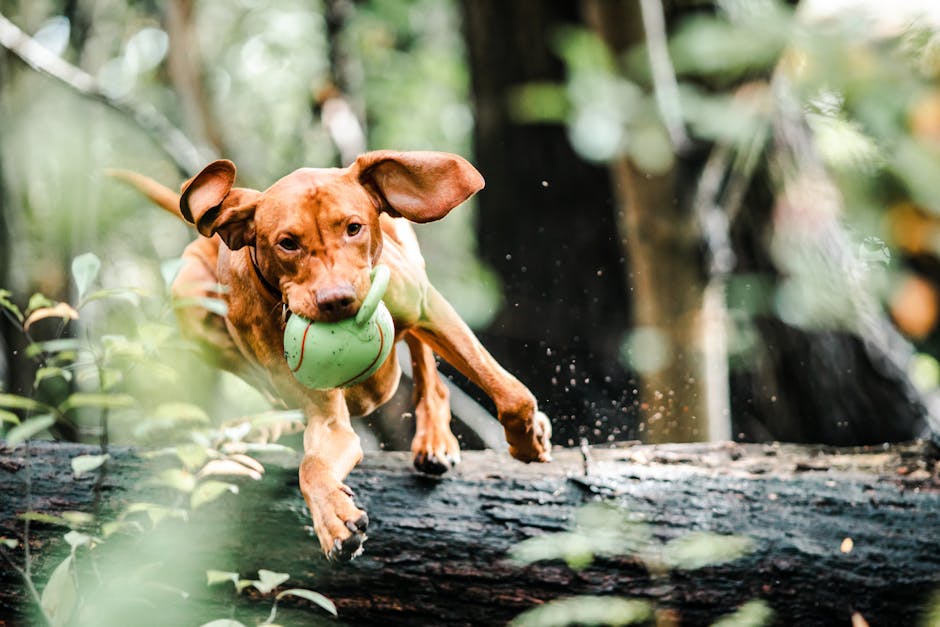
You’ve invested in a good raincoat; now make sure it lasts! Proper care isn’t just about cleanliness; it’s about maintaining the integrity of the waterproofing and the fabric itself. Skipping these steps will drastically shorten the lifespan of even the best gear. I learned this the hard way with a few coats that prematurely lost their water repellency because I didn’t follow instructions.
How often should I wash it?
You don’t need to wash a dog raincoat after every use. Generally, I wash mine only when it’s visibly dirty or starts to lose its water-beading ability. Mud, dirt, and oils can clog the fabric’s pores and compromise the DWR coating. For a Vizsla, probably every 5-10 uses, or as needed. Always brush off loose dirt and mud before washing. Use a technical wash designed for waterproof fabrics, like Nikwax Tech Wash or Granger’s Performance Wash. These products clean without stripping the DWR. Avoid regular detergents, as they can leave residues that hinder waterproofing.
Can I machine dry a dog raincoat?
Always check the label, but generally, no. Most waterproof dog raincoats should be air-dried. High heat from a dryer can damage the DWR coating, melt taped seams, or degrade the waterproof membrane. Hang it in a well-ventilated area, away from direct sunlight or intense heat. If you absolutely must use a dryer, use the lowest heat setting for a very short cycle, or opt for a no-heat tumble dry. I prefer to just hang mine over a shower rod or clothesline.
What about storing it wet?
Never store a raincoat wet or damp. This is a surefire way to encourage mildew and mold growth, which not only smells terrible but can also damage the fabric and compromise its waterproofing. Always ensure the raincoat is completely dry before folding or hanging it away. If you’re out on a multi-day trip, hang it up in your tent or vehicle overnight to air out. If it gets really muddy and you can’t wash it immediately, at least rinse it off with a hose and let it air dry before packing it away temporarily. A little bit of effort here goes a long way in keeping your investment in top shape for years.
Finding the right raincoat for a Vizsla is less about luck and more about understanding their specific needs and what quality gear truly offers. Once you get past the cheap, ill-fitting options, you’ll realize how much happier and drier your dog (and your home) can be. The market for dog rain gear is only getting better, with more innovative designs and materials hitting the shelves every year. It means we’ll have even more choices for keeping our active, short-haired companions comfortable and protected in any weather.