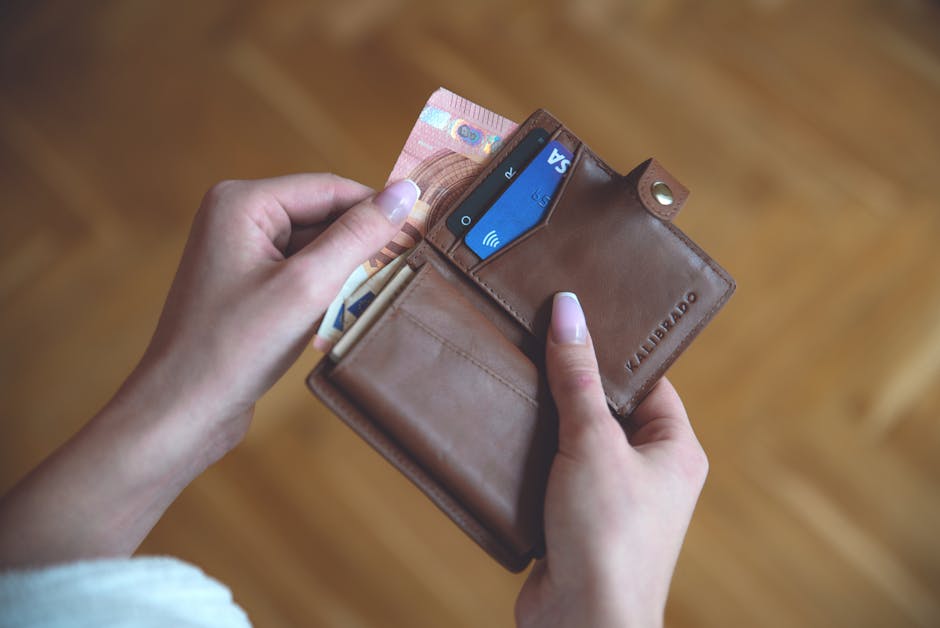
Most Indian wallets are designed for a version of India that doesn’t exist anymore. They are built for the guy who still carries a wad of 500-rupee notes thick enough to stop a bullet and enough loose change to rattle like a tambourine. It’s 2024. We have UPI. We have digitized IDs. Yet, walk into any Shoppers Stop or scroll through Amazon India, and you’re met with these bloated, over-engineered leather bricks that make you look like you’re carrying a literal sandwich in your back pocket.
I have a very specific, very embarrassing memory of this. It was 2018, PVR Koramangala. I was watching Interstellar—the scene where it gets really quiet right before the docking sequence—and I shifted in my seat. My massive, overstuffed WildHorn wallet, which I’d bought because it was a ‘bestseller,’ slid out of my chinos and hit the floor with a thud so loud the person two rows down turned around. I had to spend ten minutes on my hands and knees in the dark, feeling around for my spilled credit cards and a stray ten-rupee coin. It was humiliating. I realized then that my wallet wasn’t a tool; it was a liability.
The ‘Genuine Leather’ lie we all bought into
I’m going to say something that might annoy the leather purists, but I don’t care. The ‘Genuine Leather’ stamp you see on 90% of wallets sold in India is basically a marketing scam. It’s the lowest grade of real leather you can get—usually just scraps glued together and painted to look like a premium hide. I’ve tested six different ‘Genuine Leather’ wallets from brands like WildHorn and Hornbull over the last three years. Every single one of them started peeling at the corners within four months. One of them actually started smelling like wet cardboard after a particularly humid monsoon in Mumbai.
I might be wrong about this, but I think we’ve been conditioned to think ‘thick’ means ‘durable.’ It doesn’t. It just means the manufacturer used cheap fillers. I used to think WildHorn was the goat because they were cheap and had 4.5 stars on Amazon. I was completely wrong. Their stuff is trash. It’s bulky, the stitching is lazy, and it feels like plastic after a week. I actively tell my friends to avoid them now. There, I said it.
The ‘Genuine Leather’ stamp is the participation trophy of the fashion world. It means nothing.
My 18-month experiment with four specific brands
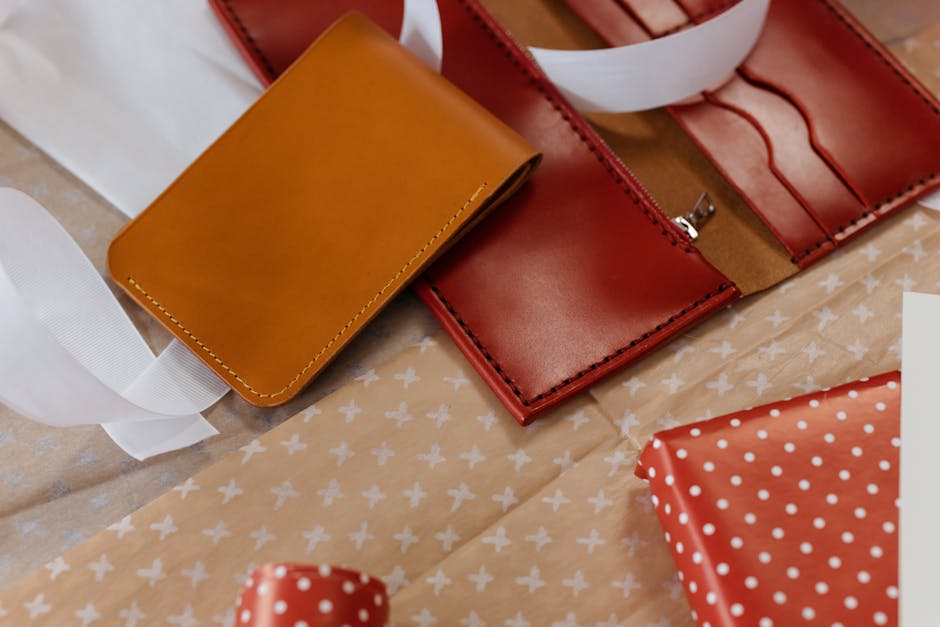
I decided to get scientific about this because I was tired of wasting 500 rupees every six months. I tracked the wear and tear on four specific wallets over a year and a half. I measured the thickness (in mm) with a digital caliper and weighed them (in grams) when empty. Here is the raw data from my notes:
- Bellroy Note Sleeve: Started at 10mm thick. After 18 months of daily use, it compressed to 8mm. Zero stitching failures. Cost a fortune, but worth it.
- DailyObjects Card Holder: Weighed exactly 22 grams. Great for UPI-only days, but the ‘vegan leather’ (plastic) started cracking at the fold after 9 months.
- Titan (Skin series): Looked great for a month. Then the color started rubbing off onto my white shirts.
- A random Hidesign bifold: Solid construction, but way too much unnecessary fabric lining that adds bulk for no reason.
Anyway, the point is that thickness is the enemy. If your wallet is more than 12mm thick when empty, throw it away. You’re doing your spine a disservice by sitting on that thing. But I digress. Let’s talk about what actually works in the UPI era.
The part where I talk about UPI changing the game
We don’t need cash. Not really. I carry exactly two 500-rupee notes for emergencies (and for the one legendary paratha stall in Indiranagar that refuses to get a QR code). That’s it. My wallet needs to hold four cards: Aadhar, PAN, my primary debit card, and my credit card for the lounge access. Anything more is vanity.
What I mean is—actually, let me put it differently. A wallet in India today should be a card-carrying device that happens to hold a little cash, not a cash-bag that happens to have card slots. This is why I’ve become an irrational fanboy of the ‘sleeve’ design. No folds. No zippers. Just a pocket for cards and a tiny slot for that emergency cash.
If you must buy one, buy these
I’m not being paid by these people, I just genuinely like their stuff after breaking a dozen other wallets.
- Bellroy Note Sleeve: It’s overpriced. It’s like 8,000 rupees. I know people will disagree and say that’s insane for a piece of cowhide, but I’ve had mine for three years and it looks better today than the day I bought it. The patina is real.
- DailyObjects: Only buy their minimalist card cases. Their bigger bifolds are mediocre, but their slim stuff is decent for the price (usually under 1,000).
- Aranyani: If you want to go high-end Indian. It’s expensive, but the craftsmanship actually rivals the Europeans.
- The local guy: If you’re in Chennai or Kanpur, go to a local leather artisan. Tell them you want ‘Full Grain’ leather with no fabric lining. It’ll cost you 600 rupees and last twenty years.
I refuse to recommend anything from Titan or Fossil. They feel like corporate gifts. They have no soul. Total waste of space.
A final thought on the ‘Back Pocket’ habit
I’ve moved my wallet to my front pocket. It felt weird for a week—like I was carrying a second phone—but my lower back pain actually improved. It’s a small change, but it’s real. We spend so much time worrying about the ‘best’ version of things, but sometimes the best version is just… less stuff.
I still have that old WildHorn wallet in a drawer somewhere, a reminder of my failure at the cinema. Every time I see it, I’m reminded of how much we let marketing dictate our comfort. Why do we still carry these bricks? Is it because our dads did? Probably. But our dads didn’t have Google Pay.
I’m still looking for the perfect 100% Indian-made minimalist wallet that doesn’t cost a kidney. If you’ve found one that isn’t just a drop-shipped Ali Express clone, let me know. I genuinely don’t know if it exists yet.
Front pocket only. Never look back.