A trouser hem can change the whole feel of an outfit. Too much fabric over a loafer makes a neat pair look rumpled; too little above a trainer can leave an awkward gap you never intended. The useful question is not simply how long your trousers should be, but where their shape should meet the shoes you actually wear.
You do not need one universal measurement. You need a clear view of the trouser leg, the shoe and the amount of fabric you want resting between them. Whether you are pinning at home or visiting an alterations specialist, a little preparation makes that decision much easier.
Choose your shoes before choosing the length
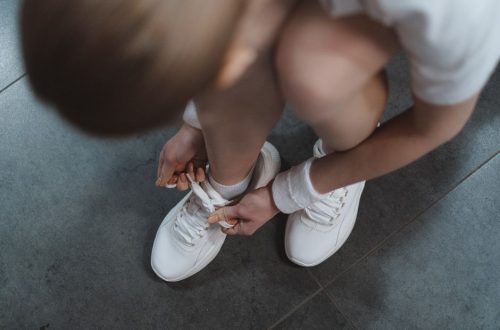
Start with the pair you expect to wear most often. Put them on properly, with the socks or tights you normally choose, and fasten any laces or straps. A soft ballet flat, a raised loafer and a substantial trainer give the trouser hem different surfaces to land on, even when you think of all three as flat shoes.
If the trousers must work with several pairs, bring those shoes to the fitting. Pick a main pair first, then check the proposed length with the others. A compromise can work between similar shoes, but a wide leg that skims a chunky trainer may drag when worn with a slim flat.
Fit the waist before the hem. Wear the trousers at their intended position and use your usual belt if necessary. If the waistband keeps slipping, settle that alteration first. Raising or lowering the whole garment changes where the hem falls, making a carefully marked length unreliable.
Understand what a trouser break looks like
The break is the fold that forms at the front of the leg when the fabric meets your shoe. It is a useful way to describe the finish you want, rather than relying on a measurement that means little without seeing the trousers on.
- No break: the front hangs without a fold, either just touching the shoe or finishing above it.
- A slight break: the front makes one small fold where it rests on the shoe.
- A fuller break: more fabric settles over the shoe, creating a more pronounced fold.
For an everyday clean finish, start by trying no break or a slight break. Several folds stacking above the shoe usually mean there is more length than you need for that look. However, length is only part of the picture: a narrow opening can catch on the shoe and bunch even when the hem seems short enough.
Match the finish to the trouser shape
Slim and tapered legs
A narrower leg often looks tidy with little or no break because there is less room for fabric to fall around the shoe. With loafers, try a hem that meets the upper lightly, then compare it with a slightly higher position. Decide whether you want your socks or ankle visible when standing, rather than discovering that detail after cutting.
With trainers, watch the tongue and the back of the collar. If either catches the trouser leg, shortening alone may not give you the smooth fall you expect. Ask whether the leg opening needs adjusting, or try a shoe with a less bulky upper before committing.
Straight legs
Straight trousers offer more flexibility. A small break can look relaxed over loafers, while a hem that just meets a trainer can feel crisp and easy. Check that the front fold is shallow and that the sides hang freely. The back should fall neatly instead of lodging inside the shoe or gathering above the heel.
Wide legs and flares
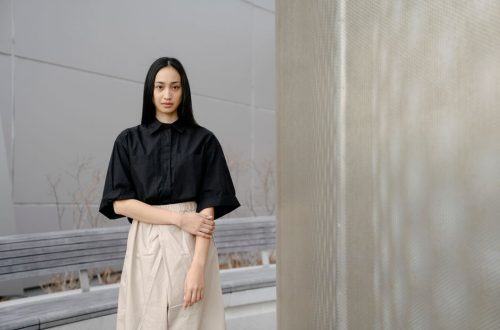
These shapes need particular attention at the back because their hems can sit much closer to the ground. Try a length that covers part of the shoe while keeping the edge clear of the floor. Walk normally: a hem that looks elegant when you stand still may slide under your heel as soon as you move.
If you prefer wide trousers with ballet flats, mark them with those flats on. Do not borrow a longer length from a platform trainer and assume it will transfer. For intentionally cropped wide legs, judge the visible gap above the shoe as part of the outfit; there is no need to force a break into a cropped style.
Mark the finished edge without distorting the leg
Use a full-length mirror, good light and, ideally, another person to help. Bending to pin your own ankle changes your posture and pulls the fabric, so stand upright while your helper works. Keep your weight comfortably balanced and resist stretching taller than you normally stand.
- Let the trousers settle after pulling them on. Smooth the legs gently without tugging them down.
- Turn the excess fabric to the inside and secure it with pins or clips. Keep pins away from your skin and remove them before walking if they feel insecure.
- Adjust the fold until the front meets the shoe as intended. Check the side and back views before deciding.
- Mark both legs separately. Do not assume an identical amount must come off each one for the hems to look level on your body.
- Take the trousers off carefully and mark the fold clearly as the finished edge. Leave cutting and the extra fabric needed for the hem until the finish is agreed.
A single pin at the front gives only part of the picture. Secure enough of the fold to see how the whole opening will hang, especially on a wide leg. Bulky fabric folded inside can also affect the preview, so treat the pinned version as a guide and discuss any stiffness with the person doing the alteration.
Give a brief that describes the result
Bring the shoes and explain the appearance you want in plain language. For example: “I wear these with these loafers. I would like one small fold at the front, with the back hanging clear of the ground. Please pin both legs so I can check them.” That gives an alterations specialist something visible to work towards.
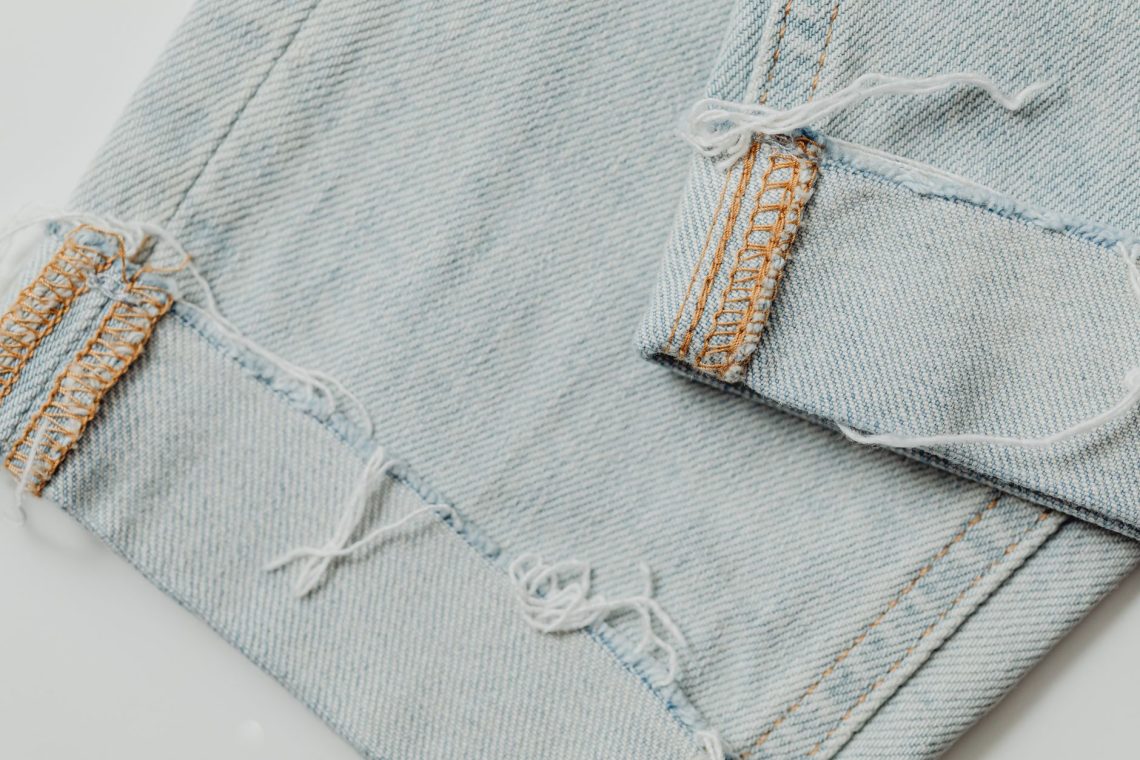
Discuss the hem finish too. A discreet finish suits many tailored trousers, while visible machine stitching may belong on casual cotton styles or jeans. If you want to keep an existing turn-up or a particular original detail, mention it before anyone marks the cut. Ask how much fabric can reasonably be retained inside for a future adjustment.
Look at the pinned result from behind as well as in front. Some trousers benefit from a slightly different front and back length, but the right choice depends on their cut and your shoes. Ask the specialist to show you the proposed line rather than requesting a slant automatically.
Do the movement check before the final stitch
With a securely basted or safely pinned hem, take a few steps, turn and sit down. Trousers naturally rise when you sit; do not add excess standing length just to hide every glimpse of sock. Instead, check that the legs drop back into place when you stand and that neither heel catches the fabric.
For washable trousers, follow the care label and wash them before the final fitting if shrinkage is a concern. Once the alteration is finished, try them on again with the same shoes. Check both hems, the stitching and the way the fabric falls. The right length should let the trousers settle easily, leaving you free to enjoy the outfit without repeatedly pulling the legs into place.