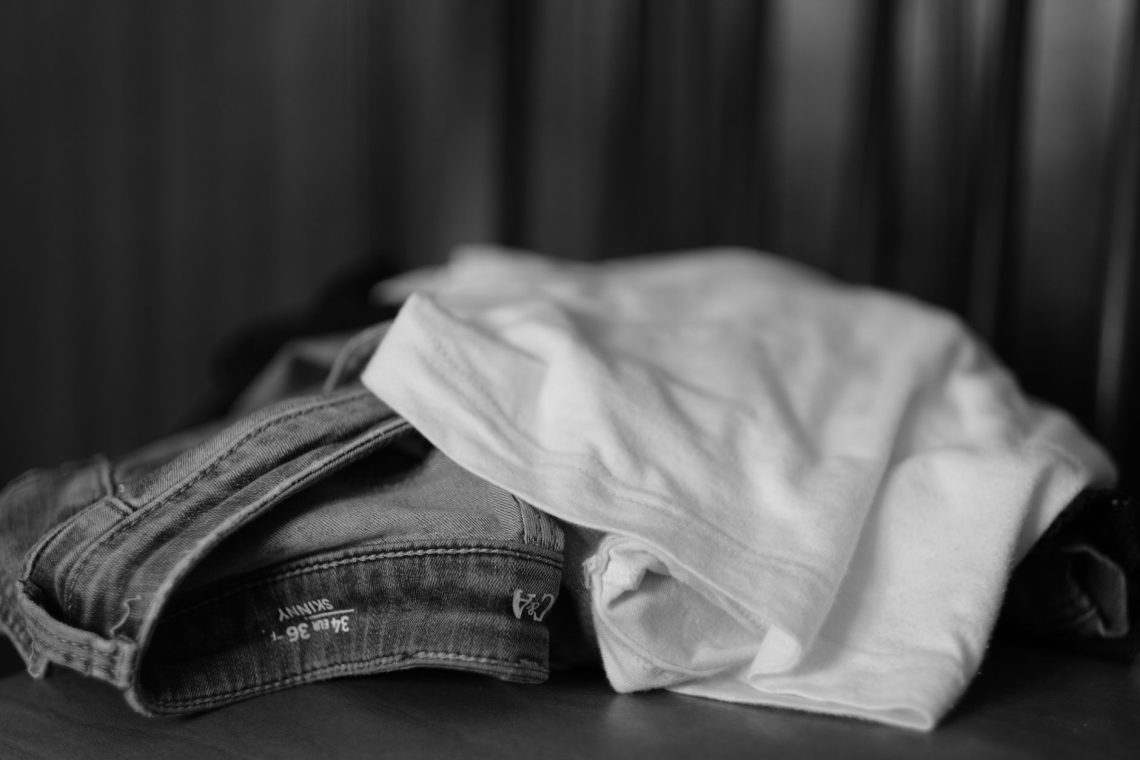
Black clothes earn their place in a wardrobe by making getting dressed feel straightforward. Then a favourite pair of jeans turns charcoal at the knees, a T-shirt looks dusty beside a newer one, or a jacket develops pale lines along its seams. The shape may still be perfect, but the colour no longer brings an outfit together quite as neatly.
Giving these pieces a longer life starts with working out what has changed. Some need a gentler wash or better company in the laundry basket. Others might suit dyeing, a small repair or a different role in your wardrobe. The aim is to keep wearing clothes you enjoy, without endlessly treating fabric that has already had enough.
Check whether the black has actually faded
Look at the garment in daylight, away from the yellow cast of a bedside lamp. Compare an exposed area with fabric inside a hem or beneath a collar. If the hidden section is much darker, some colour has probably been lost through wear, washing or exposure to light.
A greyish surface can also be fluff, dried detergent or tiny pills catching the light. These need a different approach from lost dye. Try a clothes brush or lint roller on a small area first. If there are pills, carefully remove them with a tool suitable for the fabric, keeping the material flat and avoiding seams or embellishments.
Check for thinning as well as colour loss. Hold the elbows, seat and knees towards the light and inspect them gently. Dye can change colour; it cannot rebuild worn fibres. This quick inspection helps you decide whether to wash more carefully, consider recolouring or move straight to a repair.
Separate black clothes by more than colour
A dark wash is a good starting point, but putting every dark item together can create other problems. Black leggings, a fluffy navy jumper and stiff denim do not necessarily make suitable washing companions. Match colour, fabric weight and care requirements before choosing a programme.
- Keep towels and other lint-shedding fabrics away from smooth black clothes, which show stray fibres clearly.
- Separate heavy jeans and garments with bulky hardware from fine knits, delicate blouses and lighter jersey.
- Wash new dark garments according to their labels, keeping them separate initially if colour transfer is a concern.
- Set aside anything that needs hand washing, dry cleaning or a different temperature.
Fasten zips and empty pockets before loading the machine. Turn suitable black garments inside out so their outer surfaces receive less direct rubbing. A laundry bag can help protect a delicate item when its label allows machine washing, but it does not make an unsuitable programme safe.
Wash for the dirt you have
Not every item needs washing after every wear. A T-shirt worn against the skin usually needs attention sooner than an overshirt worn briefly over another layer. Check for odour, marks and the way the fabric feels. Airing can freshen some lightly worn clothes, but it will not remove sweat, body oils or a stain.
For an isolated mark, spot-clean only if the fabric permits it. Test an inconspicuous area, use a small amount of an appropriate cleaning solution and avoid vigorous scrubbing. Rubbing one patch repeatedly can leave a lighter area that is more noticeable than the original mark.
When a full wash is needed, follow the care label and choose a cooler programme where suitable. Cool water alone is not a guarantee against fading, and some soiling needs a more thorough wash. Choose a cycle that cleans the garment properly without adding unnecessary heat or agitation.
Use detergent carefully
Choose detergent suitable for the fabric and read its dosing instructions. The amount depends on the load, soiling and water hardness. Extra detergent does not restore black dye; if it rinses poorly, it can leave pale traces. Avoid laundry products containing bleach when caring for black clothes unless the garment instructions specifically allow their use.
Do not pack the drum tightly. Clothes need room to move and rinse, so follow the machine’s loading guidance. If a black top comes out with chalky streaks, check the detergent dose and loading before assuming it has faded permanently. A suitable rinse may remove residue, although it will not replace lost colour.
Make drying part of your colour care
Take clothes out promptly after washing, smooth them gently and reshape items that need it. Follow the label when choosing between hanging, drying flat and tumble drying. Heavy wet knits can stretch on a hanger, while repeated heat may be unsuitable for other fabrics.
When air-drying black clothes, choose a shaded, ventilated place where possible. Strong sunlight can fade exposed fabric, especially if the same side repeatedly faces the light. Indoors, leave space between garments and allow them to dry fully before putting them away.
Iron only as directed, paying attention to temperature. Pressing black fabric too firmly or with excessive heat can leave shiny patches. Working on the reverse, or using a suitable pressing cloth, can help protect the surface. Shine caused by pressure or wear should not be mistaken for a simple loss of dye.
Decide whether dyeing is worth the effort
Dyeing may be an option for an evenly faded garment whose fabric is still sound. Before buying anything, read both the fibre composition and the dye instructions. Cotton and linen may be suitable for certain home dyes; polyester, wool, silk and mixed fabrics need products and methods specifically intended for them.
Think about the whole garment, including details you might otherwise overlook. Stitching may remain its original colour, while trims, labels, elastic and contrasting panels can respond differently. A blended fabric may take colour unevenly or produce a softer black than expected. Do not assume a pale stain will disappear beneath fresh dye.
Choose a piece you would still wear if the result were imperfect. Follow the product instructions for preparation, quantity, equipment and cleaning afterwards, and keep subsequent washes separate as directed. If the garment is valuable, sentimental or complicated to care for, ask a professional cleaner whether treatment is appropriate before experimenting.
Style faded black with intention
A faded piece does not have to pass for new to look good. Charcoal denim can sit comfortably beside a crisp white shirt, while a washed black T-shirt can soften tailored trousers. Texture helps: faded cotton, ribbed knitwear and smooth leather create a more deliberate combination than several nearly matching black jersey pieces.
If mismatched blacks bother you, separate them with another colour. A cream top between black trousers and a faded jacket breaks up the comparison. Alternatively, make the difference clear by pairing charcoal with a deeper black, rather than trying to disguise a slight mismatch.
Small maintenance jobs matter here. Remove lint, replace a missing button and repair a loose hem. These details can make a faded garment feel considered and cared for, even when its original depth of colour is gone.
Know when to stop trying to revive it
Stop treating colour as the main problem when the fabric is thin, brittle, stretched beyond its useful shape or repeatedly tearing. More washing and another round of dye will not fix those issues. A repair may still make sense, especially at a localised weak point, but assess whether the surrounding material can support it.
Also give yourself permission to stop when the garment no longer feels good to wear. You might keep it for messy jobs, alter it into something useful or check local textile collection options for worn-out fabric. If it remains wearable, pass it on clean and describe its condition honestly.
For the pieces you keep, a simple routine is enough: separate thoughtfully, wash when needed, dose carefully and dry with attention. Black clothes will change with wear. Looking after them means making that change manageable, and recognising when a softer shade still has plenty to offer.