I see it, I like it, I want it, I got it.
Yep, that’s how it has been for me over the years when buying clothes. But I made it my mission at the end of 2020 to be more thoughtful about how many items I buy each month. I want more classic, versatile pieces and fewer clothes that only get one or two wears before disappearing to the back of the wardrobe.
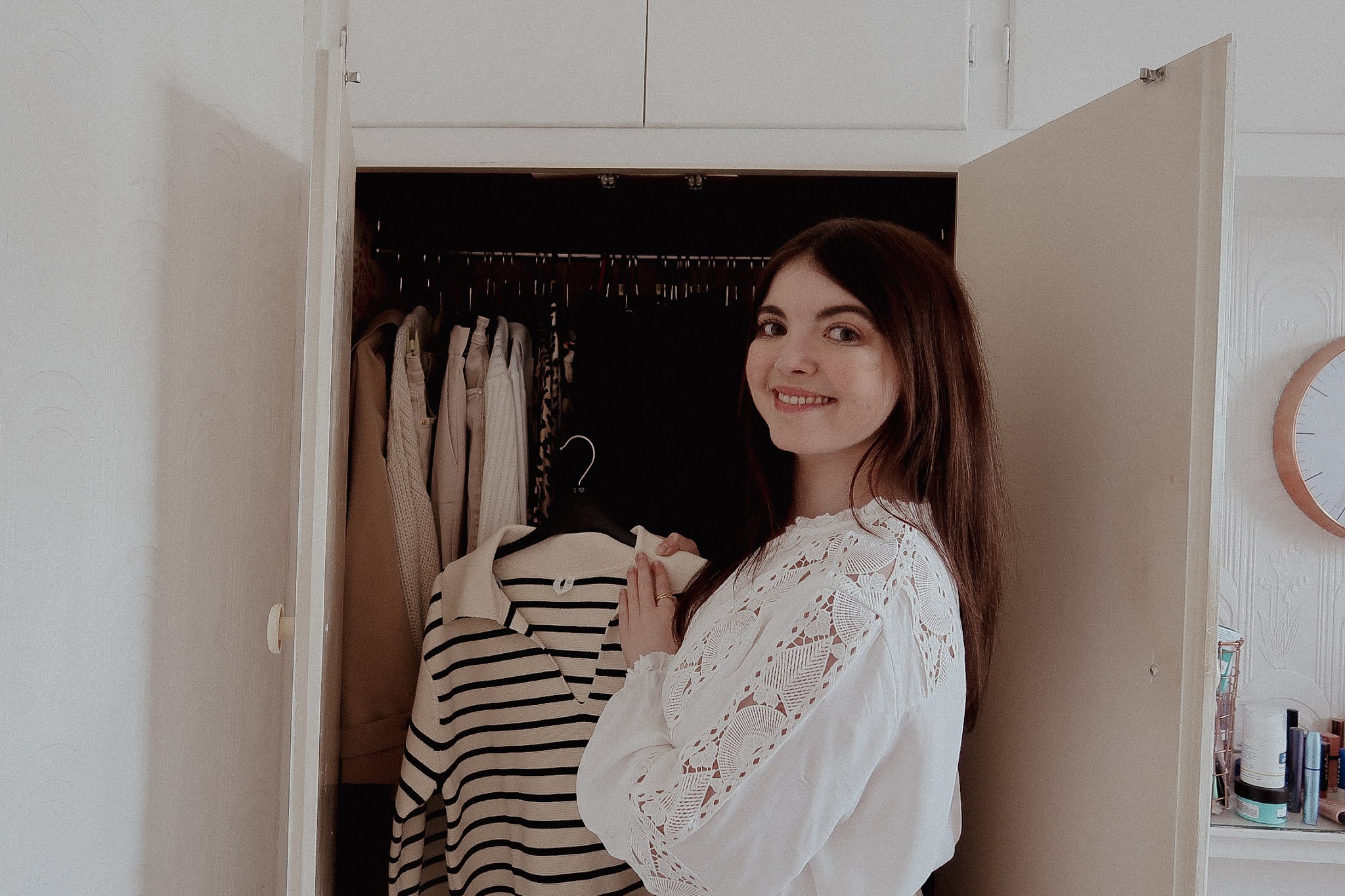
Buying something simply to keep up with every trend isn’t a sustainable or affordable habit for me. Fast fashion is something I’m trying to steer away from, and a good starting point is asking whether I actually need another item. Sometimes the most useful outfit is already hanging in my wardrobe; I just haven’t tried its pieces together yet.
I know finding the right clothes can be a nightmare. You might stick with a particular brand because its sizing works for you, or your budget might limit your choices. This isn’t about getting every purchase perfect. These are the six questions I ask to help me buy clothes I’ll enjoy wearing again and again.

1) Is it versatile?
Can I wear the item with multiple outfits, or is it going to be a ‘one outfit only’ purchase? If it’s the latter, I usually leave it. One thing I find fun is discovering different ways to wear a jumper, pair of trousers or shoes, rather than needing something new for every outfit.
Before buying, I try to picture three outfits using clothes I already own. A fine-knit jumper might work with jeans and trainers, tailored trousers and loafers, or a midi skirt and boots. If every combination depends on buying another top, different underwear or a particular pair of shoes, that jumper needs a little more thought.
Colour matters, but versatility doesn’t have to mean beige from head to toe. A colourful blouse can be useful if its shade works with your favourite trousers and skirts. Look at the colours you actually wear, rather than choosing a neutral you never feel good in.
I also think about proportions. Will the jacket fit over my usual knitwear? Does the top sit comfortably with the waistbands I own? When trying something on at home, put together complete outfits, including shoes, while you still have time to return it.
2) Is it classic?
A little black dress, trench coat, black boots, white trainers, camel coat or white shirt: these are the sorts of classics I gravitate towards. They make putting an outfit together easier, and I can imagine wearing them for years. But a classic only earns its place if it suits your life and personal style.
If you never wear shirts, a white shirt isn’t automatically an essential. Your equivalent might be a simple cotton top or a soft cardigan. I find it more helpful to look at the pieces I repeatedly reach for and ask what they have in common: perhaps a straight leg, an open neckline or a relaxed fit.
Pay attention to comfort as well as appearance. Sit down in trousers, reach forward in a jacket and walk around in shoes. A beautiful coat that feels restrictive over your everyday clothes is unlikely to become a favourite, however timeless it looks.
I also check what I already have before buying another version. If my existing black boots still work, a slightly different buckle isn’t necessarily a reason to replace them. Looking after a favourite can be more satisfying than starting again.

3) Is it just to keep up with the trend?
Trends go in and out of fashion quicker than my legs go in and out doing the Hokey Cokey. If the main attraction is that something seems to be everywhere, I pause. I’ve bought trend pieces that I still wear, so being fashionable doesn’t automatically make an item a bad purchase. The question is whether I like it beyond the excitement.
I ask myself whether I would still want it if I hadn’t seen it on somebody else. Would I choose that cut or colour on an ordinary shopping trip? Does it fit the way I like to dress, or am I trying to recreate an outfit that doesn’t feel like me?
Leaving something on a wish list for a few days helps separate a passing urge from a real preference. During that pause, try a similar shape or colour with your own clothes. Sometimes an accessory you already own gives an outfit the fresh feeling you wanted.
4) How often will I wear it?
The wedding guest outfit is a prime example. It’s easy to buy a dress for one invitation and then feel reluctant to wear it in front of the same people again. I’m trying to question that feeling. Repeating an outfit is perfectly reasonable, and changing the shoes, jewellery or jacket can make it feel different.
Before buying occasionwear, think about actual invitations rather than imaginary events. Could the dress work for another celebration? Would you happily wear it again as it is? You don’t have to convince yourself that an evening gown will somehow become everyday clothing.
If you know you’ll only wear something once, renting or borrowing may be worth considering. With a rental, check measurements, delivery and return timings, cleaning arrangements and the terms for damage. If wearing something previously worn makes you uncomfortable, that’s a personal consideration too; the arrangement needs to work for you.
For everyday purchases, be equally realistic. Clothes for your normal week deserve attention, whether that’s office trousers or comfortable weekend knitwear. A piece that fits your routine has more opportunities to be worn than one bought for a lifestyle you rarely lead.
5) Is it durable enough?
There’s nothing more frustrating than finding a hole or loose stitching after only a couple of wears. I’ve started reading reviews before parting with my money, particularly comments about how an item holds up after washing. It takes a little time, but details about seams, shrinking or fastenings are more useful than a general comment that something looks lovely.
In a shop, turn the garment inside out and look at the stitching. Check for loose threads, gaps in seams and buttons that already feel insecure. Gently try the zip and see whether it moves smoothly. Hold lighter fabrics towards the light to judge whether you’re comfortable with their coverage.
Read the care label before buying, too. Something that needs hand washing or dry cleaning may be manageable, but only if you’ll actually give it that care. Consider whether delicate fabric will suit the way you use the item, especially for clothes you expect to wear frequently.
A higher price doesn’t remove the need for these checks. Likewise, a familiar brand can vary between garments. Inspect the individual piece and remember that no quick check can guarantee how long it will last.

6) Can I afford it?
Don’t land yourself in debt for a luxury handbag or pair of shoes. If there’s something I really like, I’d rather save for it and buy when I’m financially comfortable. Being able to split a payment doesn’t make the total smaller, which is why I’m cautious about buy-now-pay-later options.
Think about the whole purchase, including alterations or specialist cleaning if needed. A sale label can be tempting, but a reduced item still takes money from your budget. I ask whether I’d have wanted it without the discount and whether it fills a useful gap.
If the answer is no, I leave it. These questions give me a moment to slow down, enjoy what I already own and choose new clothes with a clear idea of how I’ll wear them.