An outdoor summer lunch sounds like the easiest invitation to dress for, until you picture sitting in direct sun, walking across grass and catching a breeze as the plates arrive. The outfit needs to feel comfortable while you are seated, look considered without much fuss and cope with a change of shade. A pretty dress alone cannot do all that if its fabric traps warmth or its waistband digs in.
Start with what touches your skin, then think about shape, colour and adjustable coverage. You do not need a separate wardrobe for hot days. A few thoughtful choices can make familiar summer clothes work much harder.
Check where you will actually be sitting
Before choosing an outfit, consider the setting as well as the forecast. A sheltered garden table, a breezy terrace and a paved courtyard can feel quite different on the same afternoon. Think about the journey too: a comfortable lunch outfit should survive the walk from the station without needing to be rearranged on arrival.
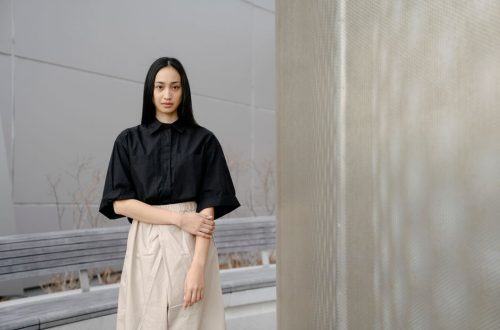
If the invitation is relaxed, loose trousers and a sleeveless top can feel as appropriate as a sundress. For a smarter restaurant terrace, try a softly structured shirt dress or a skirt with a matching blouse. Let the occasion determine the finish, while the heat determines the fabric and fit.
Choose fabric by feel, weave and lining
Fibre labels are a useful starting point, but they do not tell the whole story. A thin, tightly woven fabric can feel less comfortable than a slightly heavier one that hangs away from the body. Hold a garment up to the light, feel its surface and check what is underneath. A breathable outer layer loses some of its appeal when paired with a close-fitting synthetic lining.
Linen for relaxed structure
Linen is a useful choice for shirts, wide-leg trousers and easy dresses because it can give an outfit shape without needing a stiff construction. Choose a cut with room through the back and underarms. Expect creases, especially across the lap after sitting; they belong to the fabric rather than signalling that you have dressed badly. A linen blend may suit you if you prefer a softer finish.
Cotton for straightforward comfort
Cotton voile, seersucker and lighter poplin are worth considering. Seersucker has a puckered texture that keeps parts of the cloth away from your skin, while voile feels light but may need a slip. Check whether that extra layer makes sense for the day. A loose cotton shirt with an opaque pair of trousers can be simpler than managing a very sheer dress.
Fluid fabrics with room to move
Viscose and lyocell can provide the soft movement you might want from a midi skirt or draped blouse. Check the care label and try the garment on before deciding: some light fabrics cling once you sit or become damp. Whatever the fibre, avoid judging comfort from a hanger alone. Walk, bend and sit in the outfit for a few minutes.
Leave space between your clothes and your skin
A little air around the body matters more than choosing the smallest possible garment. Look for sleeves that do not grip the upper arm, armholes that do not rub and waistbands with some ease. Wide-leg trousers, A-line skirts and dresses with a gentle flare give you room without making the outfit feel shapeless.
If you like definition at the waist, use a loose tie rather than a firmly cinched belt. You can also tuck just the front of a shirt into trousers, leaving the back free. This creates a waistline while allowing movement. Avoid gathering lots of thick fabric into a waistband, where it can become bulky and warm.
Do the seated check: sit down, lean forwards and reach across an imaginary table. If the neckline needs constant attention, the waist feels tight or the skirt rides up, change one element before you leave. Lunch involves much more sitting than posing in front of a mirror.
Use colour thoughtfully
Pale colours are a sensible starting point for an outfit that will spend time in direct sunshine. Ivory, pale blue, soft pink and light stone are easy to combine, but fabric still matters: a loose, airy navy shirt may feel more pleasant than a close-fitting cream top with a heavy lining.
You do not have to wear white to look summery. Try a washed green dress, a light blue shirt with ecru trousers, or a small floral print on a pale background. If you prefer darker colours, introduce them in a skirt, sandals or bag and keep the upper half light and loose.
Check pale clothes in daylight before heading out. Stand near a window and look at the outfit from the front and back, including when seated. Underwear close to your skin tone usually creates less contrast beneath light fabric. If you need several additional layers to feel comfortable wearing something, choose a more opaque alternative.
Plan coverage that you can adjust
Bare shoulders may feel welcome on the journey, but a light layer gives you options at the table. An oversized cotton shirt can sit over a camisole, cover your arms when the sun shifts and button up when a breeze arrives. Choose one that folds easily into your bag rather than a jacket you will spend the afternoon carrying.
A loose long-sleeved shirt or midi dress can also be a comfortable starting point when you prefer more coverage. Roll sleeves loosely so that the cuffs do not become tight bands around your arms. For a sleeveless dress, a fine scarf can provide a little warmth in shade, although a shirt is generally easier to keep in place.
Clothing coverage is not a guarantee of sun protection, particularly with sheer or loosely woven fabric. Keep shade in your plans and use appropriate sun protection for exposed skin. A broad-brimmed hat can also make sitting outdoors more comfortable, provided it stays secure enough for the setting.
Choose shoes for the ground beneath the table
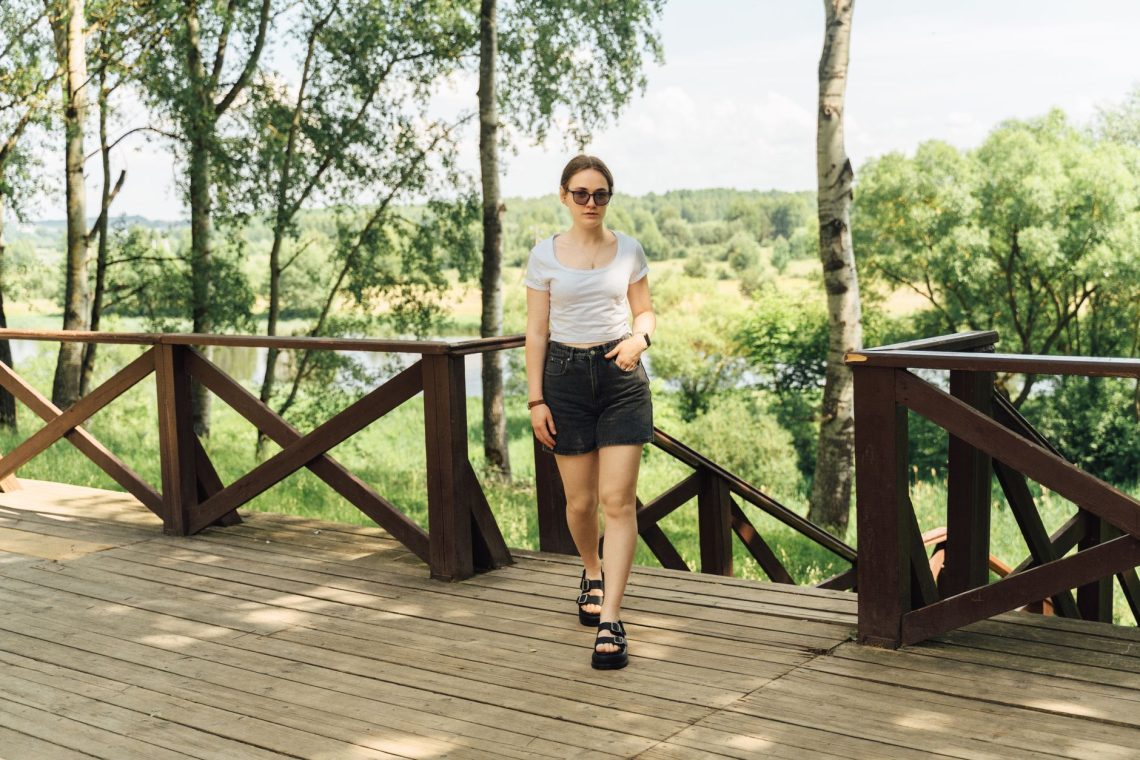
Footwear can undo an otherwise comfortable outfit. For a garden lunch, flat sandals, espadrilles or low block heels are easier to manage on grass than narrow heels. On a terrace, check that soles feel secure on smooth paving. Choose straps that hold the foot without cutting across it tightly.
Wear a pair you already know you can walk in. A lunch invitation is a poor moment to discover that new sandals rub after ten minutes. If you prefer closed toes, try lightweight canvas shoes or unlined loafers with trousers, checking that there is enough room through the front of the shoe.
Build an outfit around one easy formula
Keep the combination simple so you can adjust it without losing the overall look. These three formulas leave space for different levels of dressiness:
- For a relaxed garden: a loose cotton midi dress, secure flat sandals and an open linen shirt. Add a compact bag that leaves your hands free.
- For a restaurant terrace: wide-leg linen trousers, a fluid sleeveless blouse and low block heels. Carry a light shirt for shade and breezes.
- For a casual courtyard: a seersucker shirt, an A-line cotton skirt and canvas shoes. Leave the neckline comfortably open and keep jewellery simple.
Finish with sunglasses and one or two accessories that will not need constant adjustment. Before leaving, remove any layer that serves no practical purpose and check that your cover-up fits in your bag. The best outfit lets you settle into your chair, enjoy the conversation and stay comfortable as the afternoon changes.