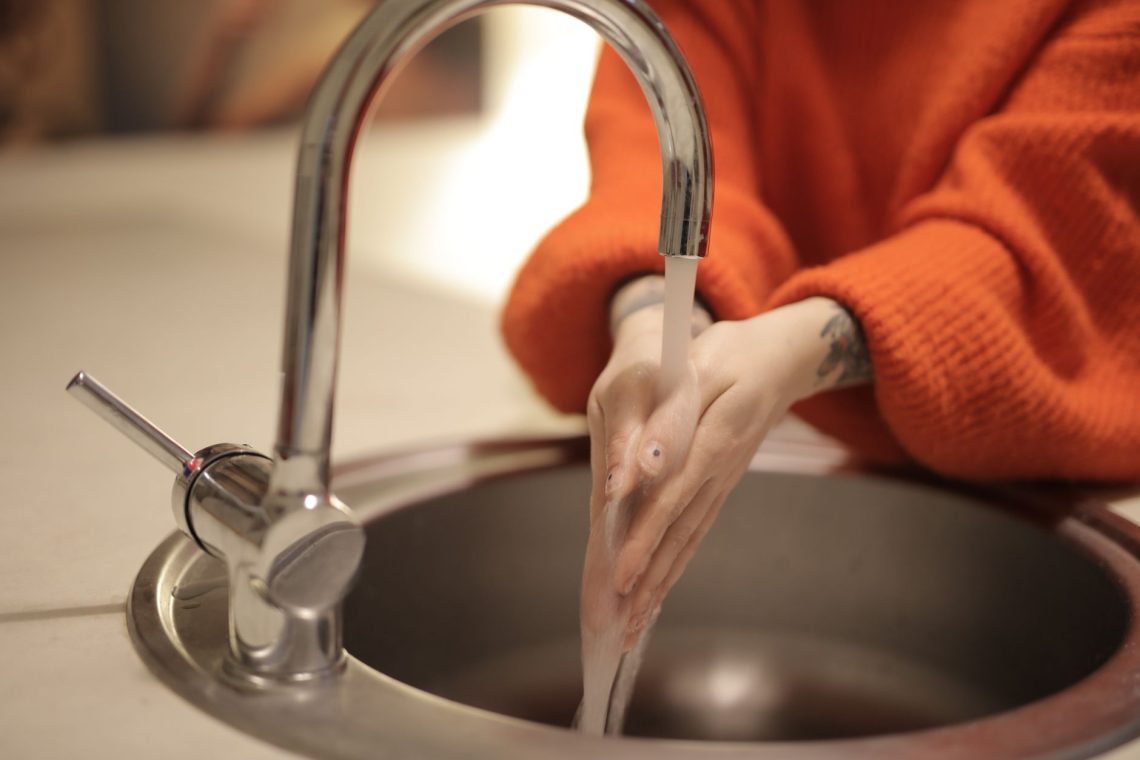
A delicate blouse can make an everyday outfit feel considered, whether it is a soft silk shirt, a lace-trimmed cotton top or something sheer worn over a camisole. Washing it can feel rather less effortless. Wet fabric is awkward to handle, and a quick tug at a sleeve can leave a shoulder sitting differently once the blouse dries.
The aim of hand-washing is simple: loosen everyday dirt with as little friction as possible, then support the garment until it has dried. You do not need elaborate equipment. A clean basin, a suitable detergent and a couple of clean towels will do most of the work.
Start with the care label, not the sink
Hand-washing is not automatically safe for every delicate blouse. Read the sewn-in care label before getting anything wet. If it says dry clean only or shows a crossed-out wash tub, leave washing to a professional cleaner. A hand-wash symbol gives you a starting point, but any temperature and drying instructions still matter.
Look beyond the main fabric, too. A blouse may combine washable cloth with fragile beading, glued decoration, contrasting trims or a structured collar. If the label is missing and you cannot identify the fabric or construction, asking a cleaner is more sensible than experimenting with a favourite piece.
Check for loose buttons, open seams and snagged threads before washing. Mend small faults first so that handling does not make them worse. Unfasten buttons, remove detachable accessories and empty any pockets. Keep removable ties with the blouse, but wash them separately if their care instructions differ.
Set up a gentle washing space
Clean the sink or basin thoroughly and rinse away every trace of bathroom cleaner or washing-up liquid. Check that the plug and overflow have no rough edges that could catch fine fabric. A smooth plastic basin is useful if your sink has an awkward surface.
- Choose a detergent labelled as suitable for the fabric and for hand-washing.
- Have two clean, colourfast towels ready before you begin.
- Prepare a flat drying space away from radiators and direct sunlight.
- Remove rings or bracelets that might snag lace or pull a thread.
Use cool or lukewarm water as directed by the care label, and keep the rinse water at a similar temperature. Add the detergent to the water before the blouse, following the product’s hand-washing dose. More detergent means more rinsing, so resist adding an extra splash just because the garment looks particularly precious.
Wash one blouse at a time, especially when you are learning how its fabric behaves. A dark trim or a strong colour may release dye. You can gently dab an inconspicuous area with a damp white cloth as an initial check, but no colour transfer is not a guarantee that the whole garment will wash safely. If colour transfers, stop and seek advice.
Deal with marks without scrubbing
Check the collar, cuffs and underarms, where make-up, skin oils and deodorant can collect. Follow your detergent’s instructions for treating marks, and make sure any treatment is suitable for the fabric. Avoid improvising with bleach, vinegar or a strong stain remover on a delicate blouse.
If the instructions allow it, apply a little diluted detergent to the marked area and gently press with your fingertips. Support the cloth underneath rather than rubbing two sections together. Scrubbing can disturb the surface, roughen a smooth finish or put strain on the stitching around a cuff.
A stubborn mark is a reason to pause, not to work harder. Repeated rubbing can leave a conspicuous patch even if some of the stain lifts. For an unfamiliar stain on a valued blouse, tell a professional cleaner what caused it and what you have already applied.
Wash with slow, supported movements
Lower the blouse into the prepared water, allowing it to settle rather than pushing it into a tight bundle. Gently press it below the surface with open hands. Move the water through the fabric with a few slow presses and small swishing movements.
Keep the garment gathered loosely within the basin. Do not hold the collar while dragging the rest through the water, and do not pull on a sleeve to turn it over. When you need to reposition it, slide both hands underneath and move the body and sleeves together.
Follow any soaking guidance on the care label and detergent packaging. A delicate blouse does not need to sit forgotten in a sink for an afternoon. Prolonged soaking can be unsuitable for dyes, trims and some fabrics, so keep the process brief and stay nearby.
There is no need to twist, knead or scrub. Hand-washing should look more like gently pressing water through the cloth than washing a dishcloth. If you notice dye spreading into the water or a trim changing appearance, stop soaking and carefully remove the wash water.
Rinse without lifting by the shoulders
Drain the basin while keeping the blouse supported. If you are using a sink, move it gently away from the plug so that the fabric cannot catch. Alternatively, scoop the whole blouse into both hands and rest it in a clean basin while you change the water.
Refill with clean water at a similar temperature and gently press the fabric to release detergent. Repeat with fresh water until there are no obvious suds and the blouse no longer feels soapy. Avoid holding it under a forceful running tap, which concentrates water and movement on one small area.
Never wring a delicate blouse. Once rinsing is finished, press it gently against the side of the basin with flat hands. Then scoop it up from underneath, supporting the sleeves and body together. Letting a soaked blouse dangle from its shoulders places the weight of the water on the seams.
Use a towel to remove excess water
Spread a clean towel on a flat surface and lay the blouse on top. Arrange the sleeves alongside the body without pulling them straight. Fold over any spare towel, then roll the towel and blouse together into a loose cylinder.
Press along the roll with your hands to absorb moisture. Do not twist it, stand on it or squeeze it into a tight rope. Unroll carefully, supporting the blouse as you transfer it to a second dry towel. For raised embellishment, avoid firm pressure that might crush or distort the decoration.
Reshape before the fabric dries
Lay the blouse flat in its natural outline. Smooth the front and back gently with your palms, then arrange the collar, cuffs and hem. Check that side seams sit at the sides and that the sleeves are not twisted underneath the body.
Reshaping means easing the fabric into position, not stretching it to a desired size. Use small movements across the cloth rather than tugging at the edges. If a seam looks puckered, support the surrounding area and smooth gently along it; do not pull the two ends apart.
Keep the whole blouse on the drying surface, including its sleeves. A sleeve hanging over the edge can pull at the shoulder while wet. Change the towel when it becomes damp, lifting the garment with both hands underneath. Allow air to circulate and follow any specific drying instructions on the label.
Avoid hanging a water-heavy blouse from a narrow hanger or pegging it by the shoulders. Once it is fully dry, check the care label before ironing or steaming. Use the permitted setting and take particular care around trims. Store it only when dry, with its shape supported, ready for the next outfit.