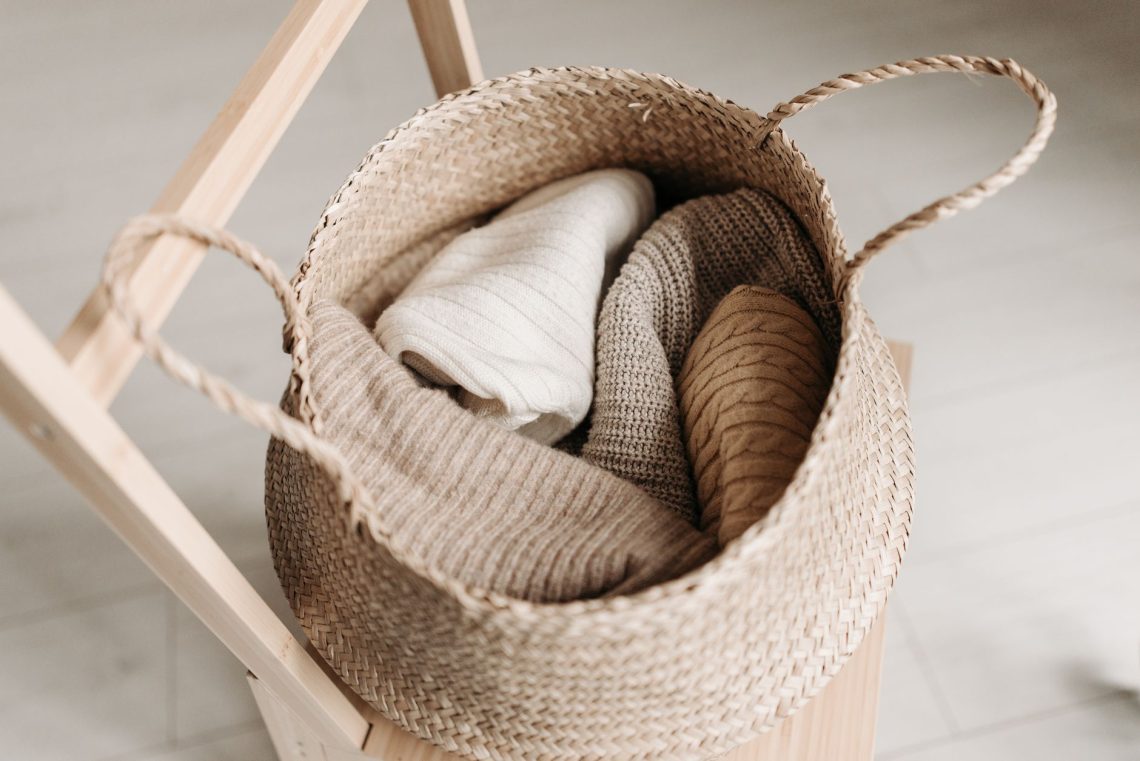
Putting away knitwear should mean finding it fresh, soft and ready to wear when the weather turns again. Yet a favourite jumper can emerge with stretched shoulders or flattened detail if it spends the warmer months crammed into a cupboard. Giving it a little attention before storage is far easier than trying to rescue its shape later.
The essentials are straightforward: clean each piece according to its label, let it dry completely, then fold it without pulling or squeezing. Add suitable bags or boxes and a few moth-aware habits, and your winter wardrobe can rest comfortably until you need it again.
Sort your knitwear before you pack
Lay your jumpers and cardigans on a clean bed or table. Separate the pieces you still want for cool evenings from those going away until next season. Keep a lightweight cardigan accessible rather than burying it beneath chunky winter knits that you will not need for months.
Read the care labels and check necklines, underarms, cuffs and pocket openings for marks. Empty every pocket and remove brooches that could snag neighbouring garments. Look for loose buttons, dropped stitches and small holes, then deal with repairs before packing. A loose seam is much easier to tackle now than when you are dressing in a hurry.
Set aside anything you no longer enjoy wearing. Storage space works harder when it holds clothes you actually want to bring back into rotation. Avoid keeping a tight, overfilled box simply because sorting it feels like a job for another day.
Clean first, even if a jumper looks fresh
Traces of food, perspiration and body oils can remain on knitwear after a short wear. Clothes moth larvae can damage animal fibres, and soiled garments deserve particular attention. Airing is useful between wears, but it does not replace appropriate cleaning before a long spell in storage.
Follow the care label, whether it calls for hand washing, a suitable machine programme or professional cleaning. Similar-looking jumpers may need different treatment. A wool blend is not automatically suitable for the same wash as a cotton knit, so check each piece rather than treating the whole pile alike.
Use a detergent appropriate to the fibre and avoid trying hotter water to shift a stubborn stain. For a garment labelled dry clean only, ask the cleaner about the mark. Once cleaned, remove any temporary packaging before choosing how to store it.
Let every part dry thoroughly
Support wet knitwear as you lift it, because its own weight can pull it out of shape. Where the care instructions allow, press out excess water gently without wringing, then reshape and dry flat on a clean towel or suitable drying surface. Keep sleeves supported instead of letting them dangle over an edge.
Allow enough time for thick cuffs, collars and seams to dry. Turn the garment carefully if necessary and check it again before packing. Never seal a slightly damp cardigan inside a bag with the idea that it will finish drying there. The container must be clean and completely dry too.
Fold jumpers with broad, gentle folds
Many knits fare better folded than hanging for months. Their weight can drag on the shoulders, and hanger ends may leave bumps. A loose fold supports the garment without concentrating all that weight on a small area.
- Lay the jumper face down on a clean, flat surface. Smooth it lightly with your hands without stretching it.
- Bring one sleeve across the back, bending it down if needed to keep the cuff within the outline of the body. Repeat with the other sleeve.
- Fold the sides slightly inwards to make a loose rectangle, following the garment’s natural shape.
- Bring the hem towards the neckline in one broad fold. Use another relaxed fold for a long jumper if your container requires it.
- Place the folded piece flat in its bag or box, leaving enough space to lift it out easily.
Do not press the folds sharply as you might when packing a cotton shirt. For a delicate piece, plain, acid-free tissue inside the main fold can soften the bend. Avoid coloured tissue that could transfer dye, and resist the temptation to make every garment into an identical compact parcel.
Adjust the fold for cardigans and chunky details
Lay cardigan fronts neatly together. Fasten a few buttons if that helps them stay aligned, without pulling the buttonholes or forcing the edges to meet. Fold the sleeves across the body and keep decorative buttons and zip pulls away from open stitches where they could catch.
Let roll necks sit softly rather than crushing them into tight bands. Chunky cables, large collars and embellished fronts may need a wider fold or a separate shallow space. Put heavier knits beneath lighter ones and keep stacks low enough that the bottom garment is not supporting your entire collection.
Choose storage that leaves room for the fabric
A clean cotton bag can keep dust off knitwear in a dry cupboard, but breathable fabric alone is not reliable protection against clothes moths. For longer storage, consider a clean box with a close-fitting lid or a properly closed garment storage bag. Inspect seams, corners and fastenings for gaps before filling it.
Keep containers in a cool, dry place away from direct sunlight and damp walls. A loft, garage or under-bed space is useful only if the conditions suit clothing storage. Check the space itself for dampness and dust rather than assuming an unused corner is a good home for cashmere.
Skip vacuum compression for delicate or bulky knitwear when preserving shape is your priority. It saves space by squeezing the loft you want to keep. Divide your collection between containers instead of forcing a lid down over an overfilled stack.
Label bags and boxes with their contents so you can find a fine cardigan without unpacking every jumper. Group similar pieces together, and leave enough access to open each container for an occasional inspection.
Keep moth checks simple and regular
Before putting anything away, vacuum the empty cupboard, shelf corners, skirting boards and nearby carpet edges. Pay particular attention to quiet areas where fluff gathers, then empty the vacuum afterwards. Clean storage containers and let the whole area dry before returning your clothes.
Lavender sachets and cedar accessories can add a pleasant scent, but do not rely on them to prevent or resolve an infestation. Keep scented items from touching garments directly. If you use a moth-monitoring trap, follow its instructions and regard it as a way to notice activity, rather than proof that your knitwear is protected.
Check stored garments periodically for fresh holes, larvae, webbing or unusual debris. If you find signs of moth activity, separate affected items and inspect nearby textiles. Seek suitable garment-care or pest-control advice before treating valuable or fragile pieces. Adding another sachet and closing the lid will leave the underlying problem unresolved.
Unpack without pulling knitwear into shape
When cooler days return, unfold your knits and let them rest flat before deciding whether a crease needs attention. Follow the care label if pressing is necessary and avoid placing a hot iron directly on delicate or textured yarn. Do not tug at hems or cuffs to straighten them quickly.
Give buttons, seams and collars a final check before wearing. Clean fibres, supported folds and a little room in the cupboard make seasonal storage manageable, and help your favourite jumpers return looking like the pieces you loved enough to keep.