If you’re unsure how to incorporate printed pieces into your capsule wardrobe, this post is for you. A smaller wardrobe can still have personality, and a favourite pattern can be just the thing that makes a simple outfit feel like yours.
I do like a printed piece. Years ago, I remember my wardrobe being half full of leopard print, florals, checks and polka dots. Nowadays, since creating a more curated, minimalist wardrobe, I own only a few patterned pieces. I still enjoy wearing them; I’m just more particular about which ones earn their space.
Our style and the clothes we prefer to buy change over time. It’s natural. Over the last year, I’ve purchased more timeless, classic and versatile pieces that I can create multiple outfits with. With some of my previous printed pieces, I could only put together one or two looks. That made it tempting to buy something else whenever I wanted a change.
For me, the unhelpful cycle was simple: wear the same printed outfit, get bored, then buy another patterned item. Repeating clothes is absolutely fine, of course. The problem was buying pieces that gave me so few styling options that I kept feeling I needed more.
Since creating a more versatile wardrobe, I’ve added patterns such as stripes that work with different looks. If you own plenty of classic items, it’s OK to add a patterned piece here and there. A capsule wardrobe should make getting dressed easier, while still giving you clothes you’re excited to wear.

1) Buy timeless prints
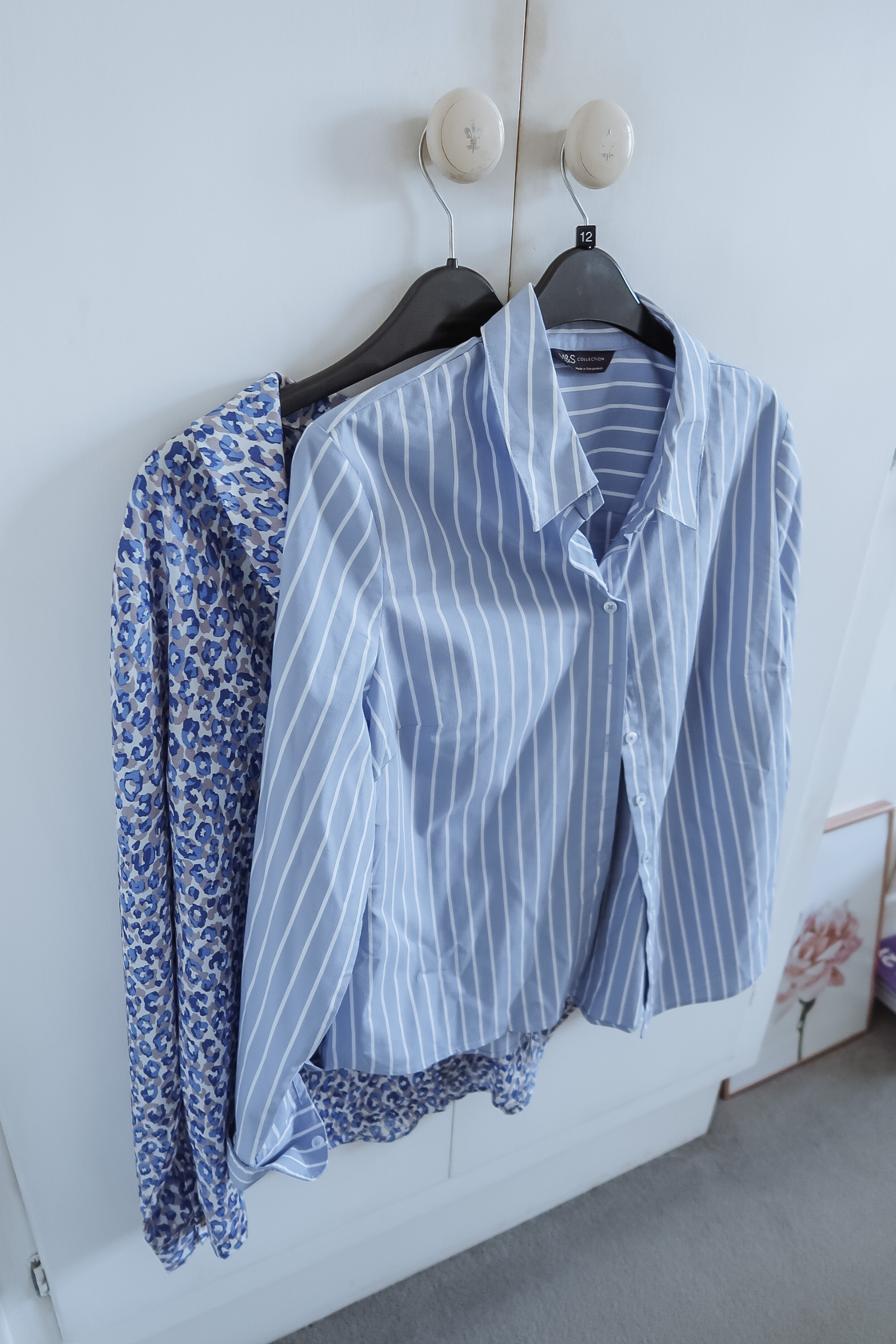
Stripes and leopard are my favourite timeless prints. I do like a floral print for spring, too. Groundbreaking, right? The important part is choosing a pattern you can imagine enjoying beyond that first burst of enthusiasm in the changing room.
A blue and white striped shirt is a classic example. It can look relaxed with jeans, feel smarter tucked into tailored trousers, or work worn open over a plain vest. The print adds interest, but the familiar shirt shape makes it easy to use in everyday outfits.
Polka dots, checks and florals can be equally useful if they suit your taste. Think about the versions you repeatedly reach for. You might love a small gingham check but never feel comfortable in a large tartan, or prefer scattered flowers to a bold tropical pattern. You don’t have to like every variation of a supposedly timeless print.
Look at the garment itself as well as its pattern. If you usually wear simple necklines and relaxed sleeves, a printed blouse with lots of frills might feel unfamiliar for reasons beyond the print. Choosing a shape you already enjoy helps a patterned piece settle into your wardrobe.
Before shopping, revisit any prints you already own. Try that striped top under a cardigan or pair a forgotten floral skirt with a plain knit. Sometimes the useful addition to your capsule is already hanging in it.
2) Does it match your colour scheme?
If you’ve spotted a printed piece and fallen in love with it, hurrah! However, ask yourself whether it’s something you’ll often reach for. A beautiful pattern can still be awkward to wear if none of its colours connect with the rest of your clothes.
With striped shirts, I tend to choose blue and white, black and white, or cream and white because those combinations fit my style. Red and blue stripes wouldn’t get the same wear from me. That isn’t a rule against brighter colours; it’s simply knowing which shades I actually like wearing.
Start with the colours that appear most often in your wardrobe. If you wear navy trousers, cream knitwear and blue denim, a print containing one or two of those shades gives you an obvious starting point. You can pick out a colour from the pattern and repeat it in a plain piece.
For example, a cream blouse with small navy spots could work with navy trousers or blue jeans. A floral skirt with green leaves might pair easily with an existing green jumper. The colours don’t need to match perfectly, but trying them together is more useful than relying on memory.
Pay attention to the background colour, too. A floral print on a dark background can feel quite different from similar flowers on white. Hold the item beside the coats, shoes and bags you use regularly. If it needs a whole new set of supporting pieces, it may be less practical for your capsule than it first appears.
3) Keep things in proportion
When wearing printed pieces, I find it helpful to keep things balanced. A patterned top with solid-coloured bottoms is an easy starting point, and the same works in reverse. It gives the print room to stand out without making the whole outfit feel busy.
Try a leopard print blouse with plain black trousers, or a checked skirt with a simple cream jumper. Keep the accessories familiar at first. You may find your everyday boots and usual handbag are all the outfit needs.
The size and contrast of a pattern also affect how noticeable it feels. Narrow stripes in similar shades can look subtle, while a large black and white check makes more of a statement. Neither is better. Choose the effect you enjoy, rather than feeling obliged to wear the smallest or quietest print.
You can also adjust how much pattern is visible. Wear a striped shirt beneath a plain jumper with the collar and cuffs showing, or add a simple jacket over a floral blouse. This is useful if you love a print but don’t always want it to be the main feature of your outfit.
Balance includes the shape of the clothes, too. If a printed shirt is loose and flowing, try it with straight trousers or tuck in the front to give the outfit some definition. These are starting points to experiment with, rather than strict rules about what anyone should wear.

4) How versatile is it?
Can the patterned item be worn with multiple outfits? The right printed piece can be wonderfully versatile. Before buying clothes, I like to think of at least three outfits I could style them with, and ideally a few more. If I’m struggling to reach three, I usually leave the item behind.
Make those outfits specific. Saying a shirt will go with jeans is a start, but picture the shoes, layer and occasion as well. For a blue and white striped shirt, my options might look like this:
- Blue jeans, white trainers and the shirt worn loosely for a casual day.
- Navy tailored trousers, loafers and the shirt tucked in for a smarter look.
- Plain shorts, flat sandals and the shirt worn open over a vest in warmer weather.
Use pieces you already own for this exercise. If every outfit depends on another purchase, the shirt hasn’t yet proved how useful it will be. Trying combinations at home can also reveal practical details, such as whether a hem tucks comfortably or a sleeve fits beneath your jacket.
The exception I make is summer dresses. Sometimes it’s lovely to have a floral dress to throw on with sandals or trainers. A dress already provides most of an outfit, so I don’t expect it to work in quite the same way as a separate top or skirt.
Even then, think about your routine and the care label. A dress you can comfortably sit, walk and spend the day in is more likely to get worn. Likewise, a delicate blouse that needs care you’re unlikely to manage may spend more time waiting to be washed than being enjoyed.
If you have a curated, minimalist wardrobe, it’s fine to include printed pieces. Keep the ones you love, look for colours and shapes that work with your clothes, and give yourself permission to repeat them. When a pattern feels like you and makes several outfits easier to put together, it deserves its place.