I have to confess: I used to be doubtful about purchasing second-hand clothes, whether from a charity shop or an online selling platform like Depop. It wasn’t really the idea of wearing something previously owned that worried me. It was whether I could trust the seller, judge the condition properly and find something that felt like a genuine bargain. It took me a while to give it a chance, but I am now an avid second-hand clothes buyer, and I love it.
The biggest surprise has been how much it has changed the way I look at fashion. I still enjoy clothes and putting outfits together. But I am becoming more interested in what I will actually wear, rather than simply what catches my eye on a shopping app.

Giving second-hand shopping a chance
I follow content creators who share lovely finds from charity shops and platforms such as Vinted. Seeing their outfits helped me realise that preloved shopping doesn’t have to mean abandoning my own style. A second-hand wardrobe can still include favourite high-street brands, statement pieces and clothes that feel completely current to the person wearing them.
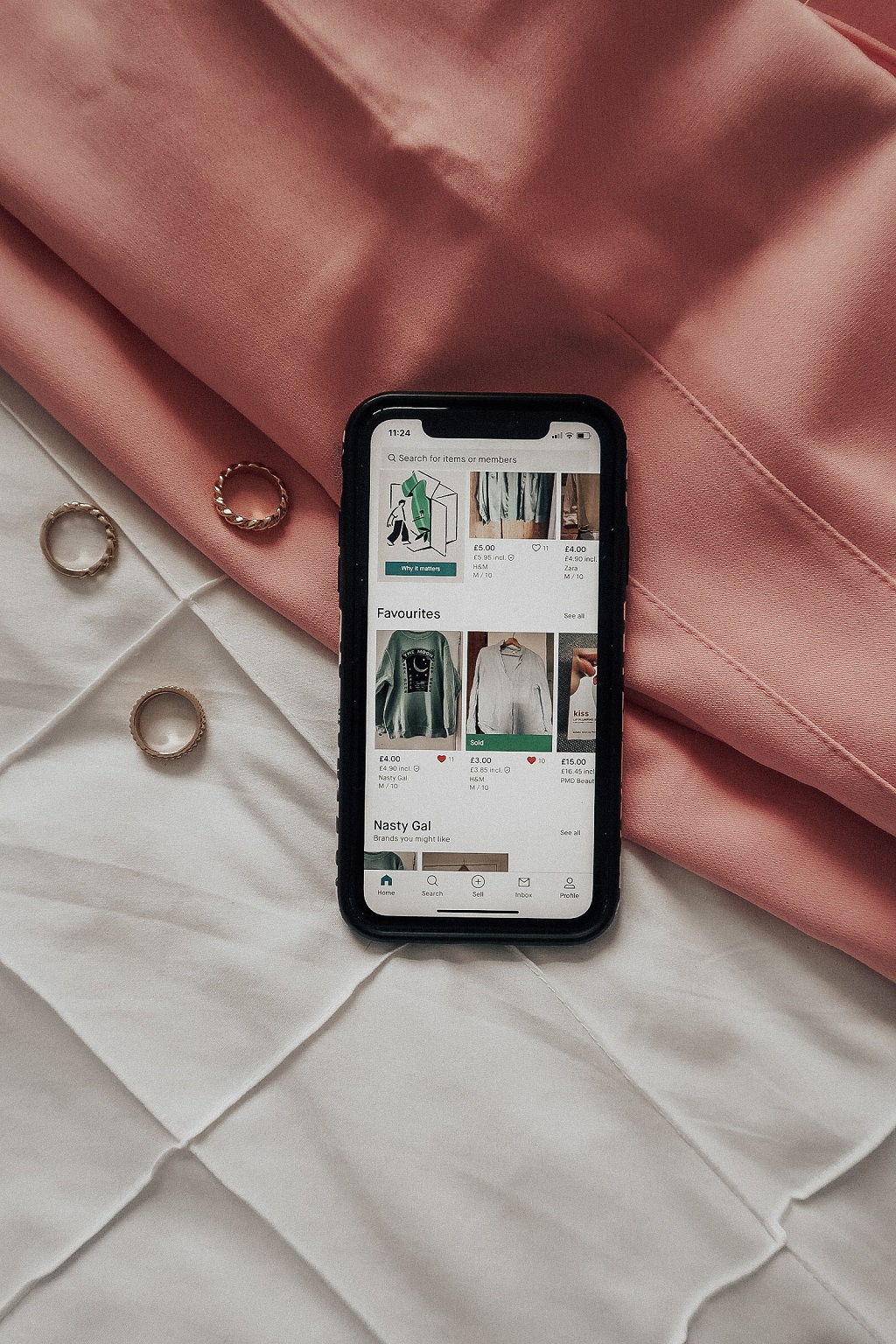
When I first looked on Vinted, almost on a whim, I spotted items I had previously saved to my favourites on ASOS, New Look and River Island. That made it feel much less unfamiliar. I wasn’t searching for an entirely different wardrobe; I was finding another way to buy clothes I already liked.
Starting with a familiar brand or a specific item makes the search easier. If you know you love a particular cut of trousers, search for the brand, style and size together. Add a colour or fabric if the results are too broad. A focused search is much less overwhelming than scrolling through everything available.
A bargain has to earn its place
I admit that browsing for bargains can become a habit. There is something satisfying about discovering a piece you thought you had missed. However, a low asking price doesn’t automatically make something a good purchase. If it sits unworn in the wardrobe, it hasn’t helped me dress any better.
Before buying, I find it useful to think about three outfits I could make with things I already own. A printed blouse might work with straight-leg jeans, tucked into tailored trousers or under a plain cardigan. If every outfit requires another purchase, I need to think more carefully.
I also ask whether I like the garment itself or just the feeling of finding a deal. Saving it to my favourites and stepping away gives me time to decide. It might sell while I am thinking, but that is better than rushing into something unsuitable because it feels scarce.
Checking fit beyond the size label
One thing second-hand shopping encourages is paying attention to fit. A size label is a starting point, rather than a promise. Different brands fit differently, and a previously worn garment may have shrunk, stretched or been altered.
For online purchases, measurements are especially helpful. Compare them with a similar garment that fits you comfortably, laid flat. Make sure you and the seller are measuring in the same way: a flat waistband measurement isn’t the same as the full circumference.
- For tops and jackets, check the underarm width, shoulder fit, sleeve length and overall length.
- For trousers, ask about the waistband, rise and inside leg, particularly if you prefer a specific fit.
- For dresses, consider the bust, waist and hip measurements as well as where the hem will fall.
Think about the fabric too. A fitted woven dress may need more precise measurements than a stretchy jersey top. Alterations can help with some pieces, but I wouldn’t assume that every awkward fit can be fixed easily. Any likely alteration cost belongs in the buying decision.
Looking closely at condition
My original worries about sellers haven’t disappeared into blind trust. Instead, I have become clearer about what I need to see before buying. Well-lit photographs of the front, back and label are useful, along with close-ups of any wear the seller mentions.
On knitwear, I would look for bobbling, thinning areas and little holes. With shirts and jackets, collars, cuffs and underarms deserve attention. For trousers, check the seat, hems and inner thighs. Missing buttons or a loose seam might be manageable, but a broken zip or damaged fabric could be more work than expected.
If something is unclear, ask a specific question: does the zip fasten smoothly, is the lining intact, or is that mark a shadow or a stain? Reading seller feedback can add context, although it cannot guarantee the condition of an individual item. I prefer a clear answer to guessing from a blurry photograph.
In a charity shop, there is the advantage of handling the fabric and inspecting the seams yourself. Try things on where possible, and check that you can sit, reach and move comfortably. Something can look lovely on a hanger and still feel wrong when worn.
Thinking about the whole purchase
Before committing online, I check the total, including postage and any applicable platform charges. I also read the platform’s current information about payment, delivery and what happens if an item arrives with an undisclosed problem. Buying from a private seller can involve different return arrangements from shopping with a retailer, so I don’t assume I can send something back simply because it doesn’t suit me.
Care instructions matter as well. A beautiful blouse that needs care I am unlikely to give it may not be a sensible addition. Once an item arrives, I inspect it before washing or wearing it, then follow the care label. That is also a useful moment to notice a loose button or small repair before it becomes a bigger problem.
Buying more thoughtfully, without expecting perfection
My interest in second-hand clothes comes partly from wanting to shop more sustainably and ethically. Giving an existing garment another home makes sense to me, especially when it is still in good condition. But buying preloved doesn’t make endless shopping thoughtful by itself. I still need to choose carefully and wear what I bring home.
I can’t say I will never buy from the high street again. I would rather be honest about that than pretend my habits are perfect. My aim is to choose pieces with a lasting place in my wardrobe, including statement items I can wear repeatedly, instead of random purchases that get one or two outings.

Giving my own clothes another chance
This change has also made me look differently at clothes I no longer wear. If something is clean, wearable and in reasonable condition, I would rather someone else enjoy it. When selling, I want to provide the same clear photographs, measurements and honest description that I appreciate as a buyer, including any faults.
Clothes with stains, tears or holes need a different decision. I consider whether washing, mending or a small alteration could make them wearable again. If not, I check which local textile collection services accept damaged garments and how they want them prepared. Collection rules vary, so I wouldn’t assume clothes belong in an ordinary paper recycling bin.
Buying second-hand has changed my fashion vision because it has made me pause, look closer and see more possibilities in clothes that already exist. I still love finding a bargain. Now, though, the best find is something that fits my style, works with my wardrobe and gets worn again and again.