A blazer can make jeans feel considered, give a dress a little definition or pull together clothes that otherwise seem unrelated. Yet two blazers in the same colour can produce quite different results. One creates a clear outline; the other moves quietly with the rest of the outfit. Understanding that difference makes choosing what to wear much easier.
Tailored and relaxed are useful descriptions, but they are not strict opposites. A softly constructed jacket can still fit beautifully, while a structured one need not feel restrictive. The useful question is how much shape your outfit needs, and where you want that shape to come from.
What makes a blazer look tailored or relaxed?
A tailored blazer usually has a more defined shoulder, a deliberate waist shape and a front that holds its line. Darts, seams, lining and internal construction all help create that outline. The fabric may feel firm enough to keep the lapels and hem looking crisp, even when the jacket is worn open.
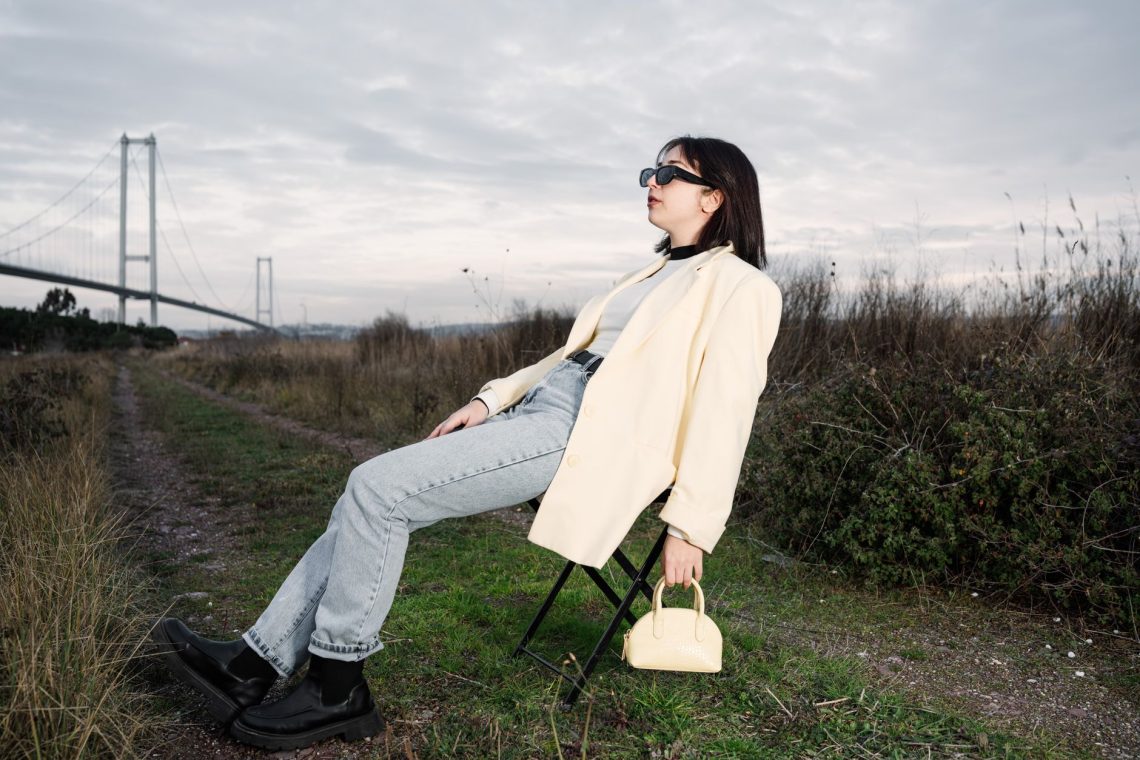
A relaxed blazer generally follows the body more loosely. It might have a straighter waist, softer shoulders, less internal structure or a fluid fabric. Rather than drawing a firm outline around you, it lets the clothes underneath remain part of the silhouette.
Relaxed does not automatically mean oversized. A jacket can sit neatly at the shoulders and still feel soft and easy. Equally, a generous blazer with strong shoulder pads can look quite architectural. Look at the construction as well as the size label.
When a tailored blazer helps an everyday outfit
When the rest of your clothes are very casual
A T-shirt, faded straight-leg jeans and trainers can benefit from the clear lines of a tailored blazer. The jacket supplies enough definition that you do not need elaborate accessories. Try navy, charcoal or a muted check, with a plain T-shirt that sits smoothly beneath the lapels.
Keep one element deliberately easy: leave the jacket open, choose flat shoes or let the jeans finish naturally over your trainers. Combining a fitted shirt, sharply pressed trousers and formal shoes changes the mood considerably. That may suit your day, but it is not necessary just to make denim feel polished.
When you want a clearer waist or shoulder line
Soft trousers and fine knitwear can sometimes merge into one uninterrupted shape. A blazer with a little waist definition introduces a focal point without requiring a belt. A defined shoulder can also give a simple outfit a clearer frame, particularly when the lower half is fluid.
This is about the silhouette you enjoy, rather than correcting your body. If you prefer a straight outline, a tailored blazer with minimal waist shaping can provide the same sense of intention. You can choose structure without choosing a close fit.
When your day calls for a sharper finish
For a meeting, a presentation or a lunch where you want to feel more dressed, a structured blazer makes familiar clothes work a little harder. Wear it over a fine-gauge jumper with straight trousers, or over a simple midi dress. Check the outfit seated as well as standing: a jacket that looks immaculate but pulls across your back will be distracting.
When a relaxed blazer looks more natural
When you want layers to move together
A softer jacket often works comfortably over a light jumper, a loose cotton shirt or a gently draped blouse. The layers can settle together instead of competing for space. This is useful for an ordinary day spent moving between a desk, errands and a casual meal.
Keep an eye on bulk. A relaxed blazer still needs enough room through the upper arms and back, and a thick jumper can make even a generous jacket feel cramped. If the sleeves twist or the lapels lift away from your chest, try a finer layer underneath.
When the outfit already has a strong line
A tucked shirt and neatly cut trousers may already provide all the definition you want. A soft blazer adds a layer without making the outfit feel overly formal. The same approach works over a close-fitting knit dress: the dress supplies the shape, while the jacket brings movement.
For an easy weekend combination, try a relaxed blazer over a striped top with straight jeans and loafers. A small turn at the cuff can lighten the look if the lining and sleeve construction allow it. Avoid forcing thick sleeves into a roll that feels bulky.
Use proportion to make either style work
There is no rule that a loose jacket must have skinny trousers underneath. What matters is whether the whole outfit has a shape you can read. With wide-leg trousers and a relaxed blazer, a tucked or shorter top can mark where the trousers begin. Leaving the jacket open creates two vertical lines down the front.
A tailored blazer can work with wide trousers too. Here, the shoulder and waist provide definition above the fuller leg. Try the outfit with the shoes you intend to wear, because the trouser hem changes how balanced the combination feels.
Length deserves equal attention. A longer blazer may sit smoothly over trousers but catch awkwardly at the fullest part of a skirt. A shorter jacket can work well with a higher waistband, provided the two hems do not create a crowded middle. There is no universally flattering stopping point; look at where your particular clothes meet.
Check fit before deciding on the mood
Neither style should need constant adjustment. Try these checks with the sort of clothes you expect to wear underneath:
- Shoulders: a conventional tailored shoulder should sit cleanly near your natural shoulder edge. A deliberately dropped shoulder should fall smoothly, without an accidental-looking dent.
- Chest and front: if the blazer is designed to fasten, button it. Strong pulling, gaping lapels or an obvious X-shaped crease suggest that the fit needs attention.
- Movement: reach forward and sit down. You should be able to use your arms without the whole jacket riding up and staying there.
- Sleeves: check that cuffs do not swallow your hands unless the longer sleeve is a deliberate detail you find practical.
If you are considering alterations, ask a tailor what is possible before buying. Shortening a simple sleeve may be straightforward; changing a shoulder or a sleeve with working buttonholes can be more involved.
Let fabric and finishing details guide you
Fabric can soften or sharpen the effect of the cut. A firm wool cloth often supports a clear silhouette, while a fluid weave tends to drape. Linen can bring an easy feel even to a shaped blazer, although it naturally creases. Jersey may feel comfortable and flexible, but inspect whether the lapels and pockets hang neatly.
Details matter too. Patch pockets often feel casual; sharply defined lapels and a smooth, clean front can look dressier. Rather than relying on a single feature, consider the overall impression. A black blazer is not automatically formal, and a beige one is not automatically relaxed.
Choose according to what your outfit needs
Start with the clothes you already have on. If everything feels soft and indistinct, try a tailored blazer to establish an outline. If the outfit already feels precise, a relaxed jacket may make it more comfortable for everyday life. Swap the jacket before changing every other piece.
You do not need both styles in every colour. Begin with the version that suits your usual routine and works with several familiar outfits. The most useful blazer is one you can put on, move in and wear through your day without thinking about it again.