You open your closet and stare at last year’s spring clothes. The sweater pills. The jeans fit differently. The floral dress feels tired. You know you need a refresh, but the idea of spending $500 on a new season feels wrong. It doesn’t have to cost that much.
This article walks you through exactly which 12 pieces to buy, where to find them under $80, and how to make each one work with what you already own. No vague advice. Just the names, prices, and reasons.
Why Most Spring Wardrobes Fail Before April
The biggest mistake people make is buying for the weather they want rather than the weather they have. Spring in most places means 50°F mornings, 70°F afternoons, and surprise rain. You buy a lightweight sundress in March and freeze until June.
The second mistake is chasing trends. That neon green blazer from Zara might feel fresh in February, but by May it sits unworn because it doesn’t match anything. Spring wardrobes fail when they prioritize novelty over versatility.
Here’s what actually works: a small set of pieces that layer, mix, and handle temperature swings. You need fewer items than you think. The trick is choosing the right ones.
The three rules for a spring wardrobe that lasts:
- Rule 1: Every piece must work with at least three other items you own.
- Rule 2: Fabrics must breathe (cotton, linen, Tencel) or block wind (cotton twill, light wool).
- Rule 3: Colors should sit in one or two neutral families plus one accent. Gray+cream+olive works. Black+navy+brown does not.
The 12 Pieces That Do the Work

These are not random picks. Each piece solves a specific spring problem: layering, temperature shifts, or dressing up without effort. Prices are accurate as of early 2026.
| Piece | Best Budget Brand | Price | Why It Works |
|---|---|---|---|
| Unlined trench coat | Old Navy (Classic Trench) | $70 | Blocks wind, layers over everything, rain-resistant |
| Cotton crewneck sweater | Uniqlo (Supima Cotton Crew) | $40 | Warm enough for cool mornings, not too hot for afternoons |
| Wide-leg linen trousers | Target (Universal Thread Linen Pants) | $45 | Breathable, dress up with heels or down with sneakers |
| Midi slip dress (satin or cotton) | H&M (Satin Midi Slip Dress) | $35 | Wear alone or layer under a sweater or jacket |
| White button-up shirt | Uniqlo (Premium Linen Shirt) | $50 | Crisp for work, untucked for weekends, easy to wash |
| Cropped cardigan | Gap (CashSoft Cropped Cardigan) | $55 | Adds warmth without bulk, hits at waist for proportion |
| Straight-leg jeans (light wash) | Levi’s (Wedgie Straight, on sale) | $70 | Not too tight, not too loose; works with boots or flats |
| Canvas sneakers (off-white or cream) | Superga (2750 Cotu Classic) | $65 | Go with everything, easy to clean, comfortable all day |
| Denim jacket (medium wash) | Levi’s (Trucker Jacket, on sale) | $75 | The ultimate spring layer, works over dresses and tees |
| Structured tote bag (neutral) | Everlane (The Italian Leather Tote, sale) | $78 | Carries layers as temps change, elevates casual outfits |
| Silk-blend scarf | Madewell (Silk Square Scarf) | $35 | Ties on bag, neck, or hair; adds color without commitment |
| Wrap sandals (flat) | Target (A New Day Wrap Sandals) | $30 | Comfortable for walking, looks intentional, not beachy |
Total cost for all 12 pieces: $648. But you likely already own jeans, sneakers, and a bag. If you need to buy 7 of these, you’re looking at around $350 for a full spring wardrobe that actually works.
How to Layer Without Looking Puffy
Spring layering is harder than winter layering. In winter, you pile on thick knits and nobody questions it. In spring, you need to add and remove layers as the day warms up. The key is fabric weight and proportion.
The three-layer formula that works every time:
- Base: Cotton t-shirt or silk tank. Thin, close to body, neutral color.
- Mid: Lightweight sweater, cardigan, or button-up. Unbuttoned or open.
- Outer: Unlined trench, denim jacket, or blazer. Removable by midday.
Avoid bulky knits as mid-layers. Instead, use the Uniqlo Supima Cotton Crew ($40) or Gap CashSoft Cardigan ($55). Both are thin enough to tuck into a bag when the sun comes out.
Pro tip: Keep a tote bag large enough to hold your outer layer. The Everlane Italian Leather Tote ($78) fits a folded trench or denim jacket easily. You look polished walking into a restaurant. You look comfortable walking out.
One more thing: avoid fleece or heavy hoodies as mid-layers in spring. They trap heat and look sloppy under a structured coat. If you need warmth, use a thin merino wool sweater instead. Uniqlo’s Merino Crew ($50) is a solid option.
The Color Palette That Makes Everything Match
Here is a short section with a direct opinion. Most spring wardrobe advice tells you to buy “spring colors” like pastel pink and mint green. That is bad advice unless you already own a full neutral base.
Start with these four neutrals: cream, light gray, olive, and washed black. Every piece you buy should be one of these colors. Then add one accent color — either a muted coral, a dusty lavender, or a soft denim blue. That’s it. Five colors total. Everything matches everything.
The reason this works is that cream and gray sit on the same temperature scale. Olive bridges green and brown. Washed black is softer than true black, so it doesn’t clash with cream. Your accent color pops because the rest of the outfit is quiet.
Where people go wrong: They buy a bright yellow blazer because it’s “spring” and then own nothing that goes with yellow. The blazer sits in the closet. If you love yellow, buy a yellow scarf ($35 from Madewell) or a yellow tote. Small accent pieces are easier to integrate.
When to Skip the Trend and Buy the Staple
Not every spring piece needs to be a trend. In fact, the most useful items are the ones that look boring on the rack but save you every single morning.
Buy the staple when:
- You need something that works for both a work meeting and a casual dinner.
- You will wear it at least twice a week for three months.
- The item costs more than $50 and you expect it to last two seasons.
Skip the trend when:
- It only works in one specific outfit.
- It costs more than $80 and you are not sure you will wear it five times.
- It is made of polyester or acrylic and cannot be washed at home.
A real example. In spring 2026, the “ballet flat” trend came back hard. Many people bought $120 pairs from Reformation. But ballet flats are uncomfortable for walking more than 20 minutes and look strange with jeans. Instead, buy the Superga 2750 Cotu Classic sneakers ($65). They cost half as much, work with dresses and jeans, and you can walk five miles in them.
Another example: The “sheer dress” trend. Sheer dresses look great on Instagram. In real life, you need a slip underneath, you cannot sit down without worrying about transparency, and they wrinkle instantly. Skip it. Buy the H&M Satin Midi Slip Dress ($35) instead. It has the same silky feel, but it is opaque and can be dressed up or down.
Where to Spend More and Where to Save
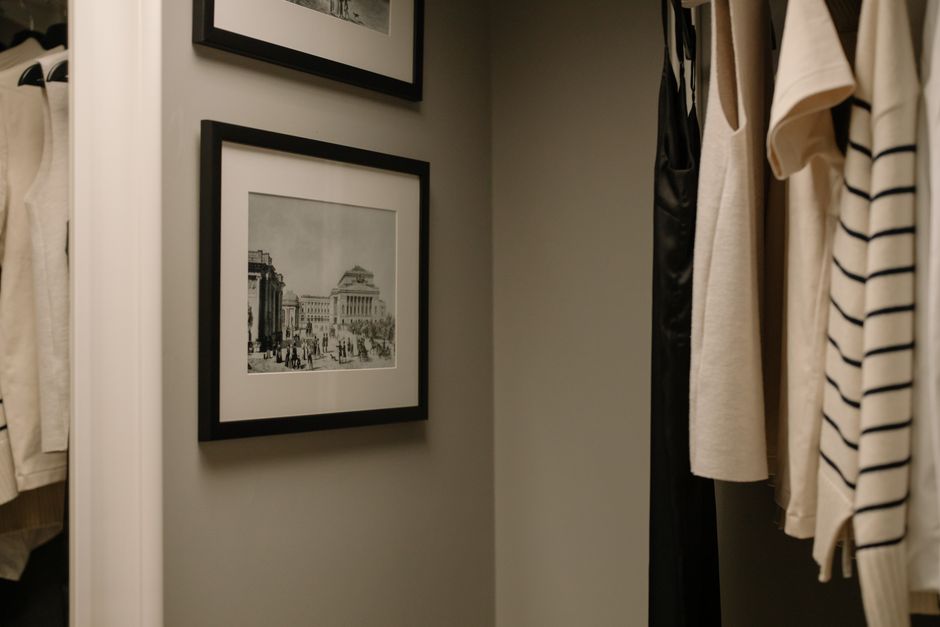
Not every piece deserves the same budget. Some items take more wear and tear. Others are purely decorative. Here is where your money should go.
Spend more ($60-$80) on:
- Jeans. You wear them 3-4 times a week. Cheap jeans lose shape after 10 washes. Levi’s Wedgie Straight ($70 on sale) hold their shape for two years.
- A coat or jacket. The Old Navy Classic Trench ($70) is the cheapest that still looks good. Anything under $50 looks cheap and wrinkles instantly.
- Sneakers. Cheap sneakers hurt your feet and fall apart. Superga 2750 ($65) are the minimum price for decent sole support.
Save ($20-$40) on:
- T-shirts and tanks. Uniqlo Supima Cotton tees ($20) are fine. You will replace them after one season anyway.
- Scarves and accessories. Madewell silk scarves ($35) look expensive but are affordable. Nobody inspects your scarf for thread count.
- Sandals. Target A New Day Wrap Sandals ($30) last one season. That is enough. Your feet change shape every year.
The one item you should never cheap out on: a structured tote bag. A $20 tote from Amazon looks like a $20 tote. The Everlane Italian Leather Tote ($78 on sale) looks like it cost $200. It elevates every outfit. People notice bags. They do not notice your t-shirt brand.
What to Do With the Clothes You Already Own
Before you buy anything, audit what you have. Most people own 70% of a spring wardrobe already. They just need the missing 30% to make everything click.
Step 1: Pull out everything you wore last spring. Separate into three piles: “love and fits”, “maybe but needs repair”, and “never wore and never will”. Be honest. If you did not wear it last year, you will not wear it this year.
Step 2: From the “love” pile, write down what colors and silhouettes dominate. If you own five gray sweaters and three pairs of straight-leg jeans, your base is gray and denim. Buy spring pieces that extend that base — a cream trench, olive trousers, a lavender scarf.
Step 3: From the “maybe” pile, fix what you can. Replace a missing button. Hem pants that are too long. Dry-clean anything stained. One trip to the tailor ($15 for hemming, $10 for button replacement) can save a $70 pair of trousers.
Step 4: From the “never” pile, donate or sell. Use ThredUp or your local consignment shop. The money you get back goes toward the 12 pieces listed above.
After this audit, you might only need to buy 4-5 items. That is fine. The goal is not to own 12 new things. The goal is to own 12 things that work together. If you already have 7 of them, you are ahead.
You open your closet again. The trench hangs ready. The linen trousers sit folded next to the cream sweater. The sneakers are by the door. You pick three pieces, they work together, and you walk out without trying on four outfits first. That is the point. Spring is supposed to feel easy.