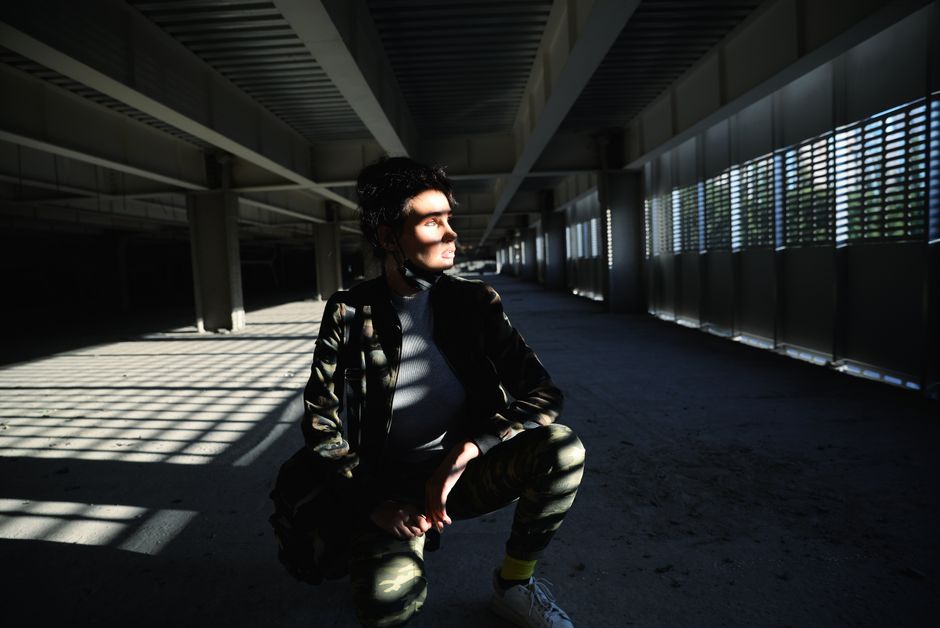
There is a specific moment most athleisure fans know. You have spent real money on Lululemon leggings, you put on a clean white top, and you are ready to leave the house — then you catch your reflection and think: I look like I am going to spin class. Not brunch. Not a casual meeting. Not the intentional, put-together look you had in mind.
The problem is not what you spent. Elevated athleisure is not about wearing expensive activewear. It is about understanding what creates the fashion signal versus the gym signal — and most of that has nothing to do with price tags.
Why Your Athleisure Keeps Reading as Gym Clothes
The root cause of most failed athleisure attempts is what stylists call category matching — wearing pieces that all belong to the same athletic category at once. Head-to-toe matching activewear, even expensive matching activewear, registers as a uniform. Your brain files it under workout outfit regardless of the brand on the waistband.
Take the same Lululemon Align leggings ($98) and build two looks:
Look A: Align leggings + Lululemon Define jacket + Nike Air Max sneakers + drawstring gym bag. That is workout clothes. Even if you never exercise in it.
Look B: Align leggings + an oversized structured blazer + Adidas Samba sneakers ($100) + a small leather shoulder bag. That reads as fashion. Same leggings. Completely different result.
The mechanism is deliberate category friction — pairing one clearly athletic piece with at least one piece from a completely different category. A blazer. A trench coat. A linen overshirt. A structured bag. Something that creates visual contrast against the athletic item so the whole outfit reads as a choice rather than a default.
The silhouette problem most people skip over
Athleisure that looks cheap almost always has a silhouette issue. Fitted compression leggings need volume somewhere else — typically a generous top or a structured outer layer. Wide, relaxed joggers need a more fitted top. This is not a rigid rule; it is about visual balance.
When every piece is equally relaxed, the outfit loses shape and reads as loungewear. When everything is equally tight, it reads as gym wear. Vuori Ponto pants ($108) demonstrate this well — paired with a standard athletic tee they look like yoga pants, but worn with a fitted ribbed tank and an open linen shirt layered over the top, they look deliberate. The pants did not change. The silhouette balance did.
Color choices that immediately give it away
Neon colorblocking is the fastest signal that someone is wearing workout gear. Neon was designed for visibility during exercise, and that association runs very deep. Elevated athleisure works in neutrals — black, ivory, charcoal, warm taupe — with accent colors that could appear in regular non-athletic clothing. Sage green. Warm rust. Slate blue. Dusty rose.
The Alo Yoga Moto leggings ($148) in olive or slate work exactly this way. They read as fashion colors before anyone looks at the brand tag. That single choice — color palette — does more for an elevated look than any amount of styling skill applied to a neon set.
What Fabric Tells Everyone About Your Outfit Before You Speak
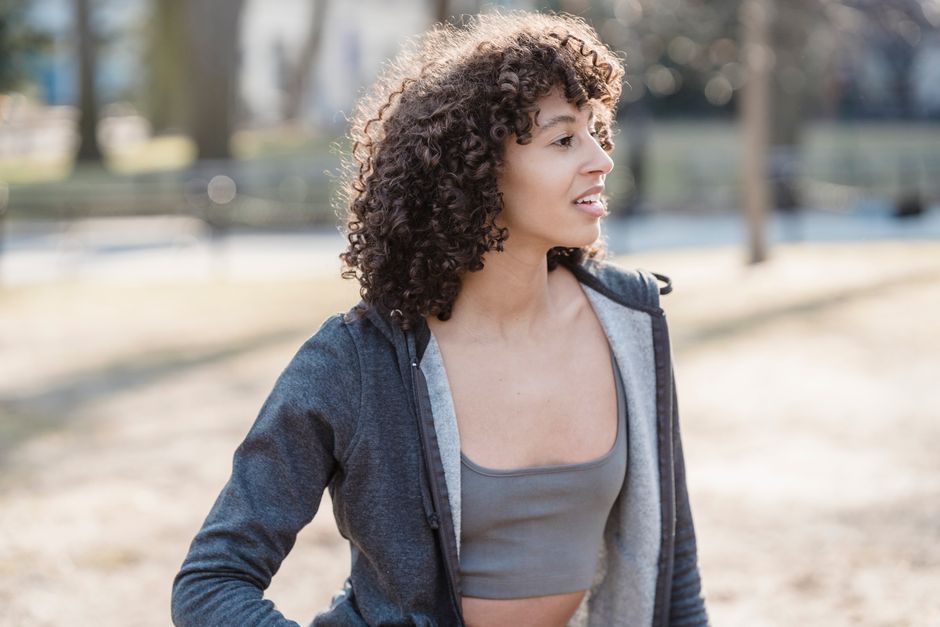
Fabric finish does more work than most buyers realize. Shiny polyester — even expensive shiny polyester — catches light in a way that immediately signals athletic function. Matte, structured fabrics read as fashion even when they are stretchy and comfortable to move in.
| Fabric Type | How It Reads | Best Used For | Real Limitation |
|---|---|---|---|
| Shiny compression polyester/spandex | Athletic, gym-specific | Actual performance wear | Very difficult to elevate in any off-gym context |
| Matte scuba or neoprene knit | Structured, fashion-forward | Leggings, fitted tops | Traps heat in warm weather |
| Brushed fleece | Cozy, intentional | Joggers, crewneck sweatshirts | Reads too casual for semi-formal settings |
| Ribbed cotton-modal blend | Clean, minimal, elevated | Tanks, layering pieces, bralettes | Not designed for high-sweat activity |
| Ponte knit | Polished, office-adjacent | Wide-leg pants, structured pieces | Limited athletic stretch |
The practical test: hold the piece up to the light. Any visible sheen and it will read as athletic no matter how well you style the rest of the outfit. Matte finishes are the price of entry into elevated territory. Check fabric finish before you check size or price — it will save you from expensive mistakes that sit unworn in a drawer.
Four Outfit Formulas That Stylists Actually Repeat
These are not general suggestions. These are specific combinations with specific logic behind each element.
- The Blazer Override. Any fitted matte legging — Outdoor Voices Double-Time ($98) or Sweaty Betty Power legging ($135) both work — plus an oversized structured blazer. The blazer immediately reclassifies the outfit as fashion. Finish with loafers or flat mules, not athletic sneakers. This covers coffee meetings, creative-office environments, and weekend markets without effort.
- Elevated Monochrome. One neutral color head-to-toe with deliberately different textures. Cream ribbed tank plus cream wide-leg sweatpants plus off-white chunky sneakers (New Balance 550, $110). The color unity reads as intentional coordination. The texture variation prevents it from reading as a matching activewear set.
- Sport vs. Structure Contrast. Performance shorts or biker shorts (Vuori Daily Short, $74) with a tailored or linen button-down tucked at the front and loose at the back, finished with clean low-profile sneakers. The deliberate contrast between athletic and structured pieces is the whole point — it registers as a considered choice, not an accident.
- The Transitional Layer. Fitted ribbed top plus a wide-leg Varley Bradley jogger ($125) plus an oversized leather jacket or long trench. Swap sneakers for mule flats and the same outfit moves from daytime to evening without any changes. If you regularly move between contexts without time to change, this is the formula worth building first.
Which Brands Actually Deliver the Elevated Look
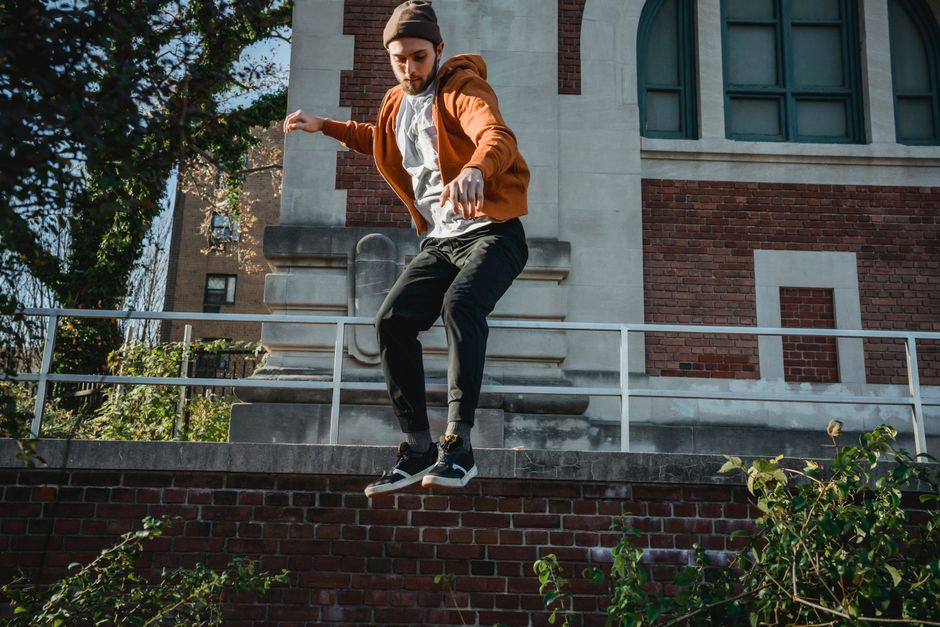
Alo Yoga is the clearest answer if aesthetics are the priority. The brand designs with fashion positioning in mind — silhouettes are considered, color palettes lean toward fashion rather than gym, and the cuts photograph well in a way that most pure performance brands do not manage. The Moto legging ($148) and Accolade hoodie ($118) are the two pieces that justify the brand’s reputation.
| Brand | Best Piece | Price Range | Best For |
|---|---|---|---|
| Alo Yoga | Moto legging, Accolade hoodie | $98–$178 | Most fashion-forward cuts; strongest aesthetic positioning |
| Lululemon | Align legging, Scuba hoodie | $68–$148 | Broadest size range; best all-purpose starter investment |
| Vuori | Ponto pant, Halo Essential tee | $64–$128 | Best for menswear-adjacent and minimal aesthetics |
| Varley | Bradley jogger, Ashford bra | $65–$140 | Underrated; cleaner cuts than most brands at this price |
| Sweaty Betty | Power legging, Harmonise set | $95–$160 | Best compression quality without the shiny-fabric problem |
| Outdoor Voices | Double-Time legging, CloudKnit hoodie | $58–$115 | Best value; competes with Lululemon Align at the same price point |
Lululemon wins on size range and physical store availability. Vuori is the right call for a more minimal wardrobe that leans menswear. Outdoor Voices is genuinely underestimated — the Double-Time legging at $98 competes directly with the Align on fabric quality and holds up over time. Varley remains the most underrated brand in this category, consistently delivering cleaner silhouettes than most competitors at a comparable price.
The Single Change That Does Most of the Work
Carry a structured bag. Not a gym tote. Not a branded athletic backpack. A small leather crossbody or a structured shoulder bag signals immediately that you did not just leave a workout — more than shoes, more than outerwear, more than any other single piece.
If you change nothing else about your current athleisure outfits, change the bag first.
When Elevated Athleisure Fails — And What to Wear Instead
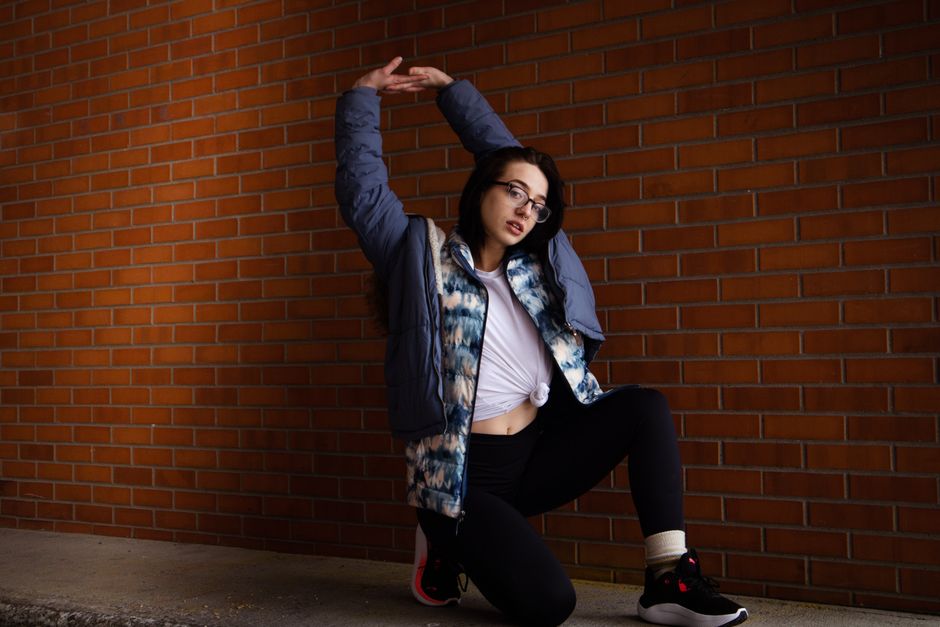
This aesthetic has real limits. Knowing them early saves you from looking underdressed in situations where the look simply does not translate, regardless of execution.
Does it work in a traditional office?
No — not in business-casual or formal environments. Compression leggings do not cross into professional territory regardless of price or brand name. Ponte trousers with a structured knit top can work in creative or tech-sector workplaces, but that is the outer limit of what passes. Trying to push Alo Yoga into a conservative office creates friction — the unintentional kind — and no amount of blazer-layering rescues it in a genuinely formal context.
What about events with a dress code?
Formal events, weddings, and anything with a stated dress code are categorical no-go territory. The elevated athleisure look depends on a casual-enough context for the category-mixing to land as intentional. In formal settings, the same outfit reads as underdressed regardless of how well it is constructed or how much it cost. There is no styling trick that makes a legging appropriate for a black-tie dinner.
What if budget is the real constraint?
Elevated athleisure at very low price points is genuinely difficult. The elevated look depends on fabric quality, and that is precisely where budget brands cut corners first. Zella, Nordstrom’s in-house brand, is the closest approximation of elevated athleisure at accessible prices — the Studio Lite legging runs $45–$65 and holds up in daily use better than most brands in that tier.
Below that price point, fabric gives it away. A better approach than buying several budget pieces: invest in one good pair of leggings or joggers from Vuori or Outdoor Voices and build every outfit around that single quality anchor. Five mediocre pieces will never add up to what one well-made piece creates. The most consistent failure pattern is not price — it is mixing low-quality athleisure with good non-athletic pieces. The quality gap between sides of the outfit creates visible dissonance, and the whole look pulls toward whatever is weakest.
Elevated athleisure is ultimately a styling problem, not a spending problem — but fabric quality is the one area where spending a little more actually changes what the outfit communicates.