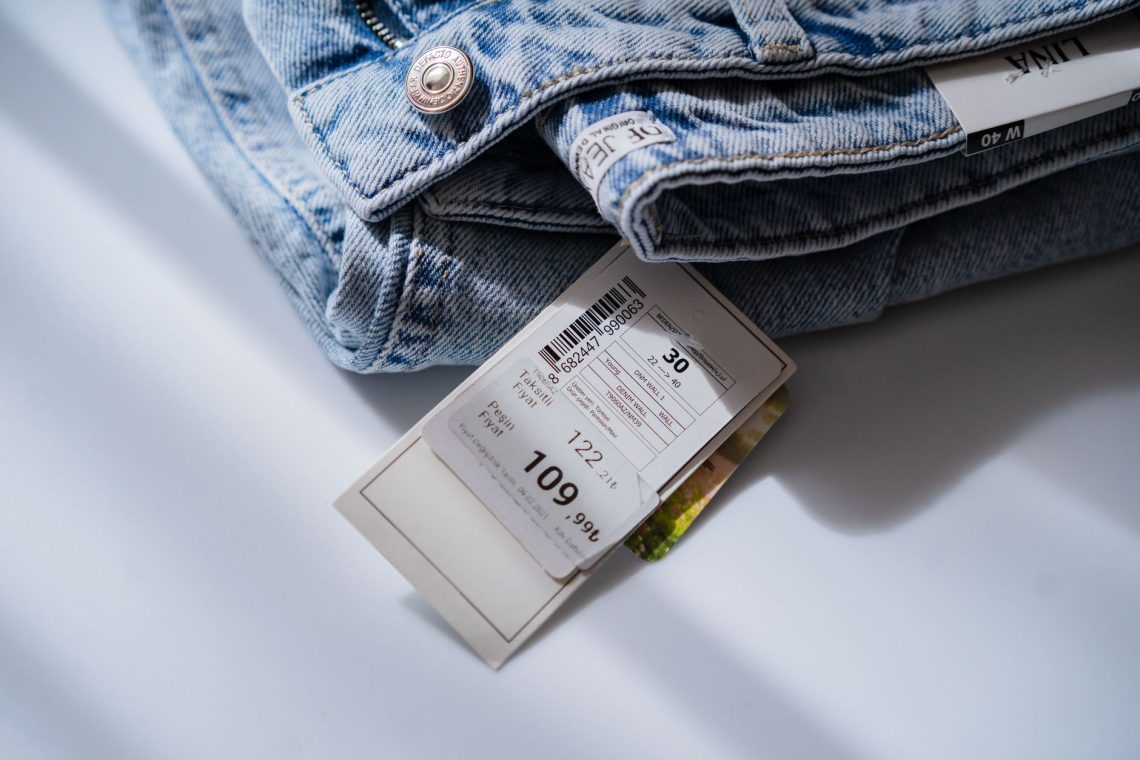
New jeans can have exactly the right cut and still feel like cardboard when you sit down. The waistband digs in, the knees resist bending and the seams feel far more noticeable than they did in the fitting room. The temptation is to give them a hot wash and hope for the best, but that can leave you with faded colour and a fit you did not bargain for.
A gentler approach gives denim time to relax while keeping its finish in mind. Start with the care label, wash only when needed and use ordinary movement to ease the fabric. You can make stiff jeans more comfortable, although no method can promise completely unchanged colour.
Check what kind of denim you have
Before reaching for the detergent, read the fibre composition and washing instructions. Rigid denim made from cotton behaves differently from denim containing elastane. Cotton jeans can gradually mould to your shape through wear; stretch denim already has some give, and excessive heat or force can damage its elastic fibres.
Check whether the jeans are described as raw or unwashed. Their crisp feel may be part of the intended finish, and their first encounter with water can affect both colour and size. Unsanforised denim can shrink substantially, so follow any specific sizing and soaking instructions supplied with it. A general softening routine should never override those directions.
Finally, distinguish stiffness from a poor fit. You should be able to fasten the jeans and move without pain. Softening may improve how the fabric bends, but it will not reliably turn a painfully tight waistband or restrictive rise into the right size.
Let gentle wear do the first bit of work
If the care instructions do not require a wash before wearing, try the jeans for a short spell at home. Walk around, sit in a chair and bend your knees naturally. These everyday movements help the fabric flex at the hips, seat and knees without deliberately dragging it out of shape.
Build up the wearing time according to comfort. There is no need to spend an entire day in a waistband that pinches. Wear a soft, tucked-in top if the inner waistband feels rough, and take the jeans off if they rub or leave you uncomfortable.
Dark new denim can transfer dye before its first wash, and sometimes afterwards. Keep it away from pale upholstery, light handbags and white trainers while you work out how much colour it releases. Do not rub it against a light surface to speed up softening.
Make the first wash a careful one
For ordinary washable jeans, a cool, gentle wash is a sensible starting point when they need cleaning. Check the label for the permitted temperature and method, particularly if there are coated finishes, embellishments or unusual trims.
- Empty the pockets and fasten the zip. Check for tissues and turn the jeans inside out to reduce direct rubbing on the outer surface.
- Choose a small load of similar dark colours. Avoid adding rough towels or overfilling the drum. The jeans need room to move and rinse.
- Measure the detergent. Use a product suitable for coloured clothing, following its dose for the load and water hardness. Extra detergent can leave residue rather than extra softness.
- Select a gentle programme. Use a cool setting allowed by the care label and avoid an unnecessarily aggressive spin.
- Remove them promptly. Leaving wet jeans bundled in the machine encourages stubborn creases and slows drying.
If handwashing is permitted and you prefer it, use cool water and gently move the jeans through a suitable detergent solution. Avoid vigorous scrubbing, especially along seams and folds where uneven colour loss is more noticeable. Rinse thoroughly and press out water without twisting the legs into a tight rope.
Dry them with their shape in mind
Once washed, gently straighten the legs, smooth the waistband and ease out obvious folds with your hands. Hang the jeans somewhere ventilated, away from direct sunlight and strong heat. Support them securely rather than leaving their weight hanging from a delicate belt loop.
Avoid draping dark denim over a pale radiator or a surface that could pick up dye. Direct heat can also dry sections unevenly. Give the jeans enough space for air to circulate, especially around thick pockets and the waistband.
Air-dried denim can feel firm at first. Once it is completely dry, gently flex the fabric between your hands, then put the jeans on and move normally. Do not assume that the initial crispness means you need another wash.
If the label allows tumble drying, follow its heat guidance. Repeated hot drying is a poor shortcut for softness: it can change the fit and is particularly unhelpful for stretch denim. Air drying gives you more control when preserving size is a priority.
Stretch only where a little ease is needed
For a mildly snug area on washable denim, try a small amount of targeted stretching. Lightly dampen the area with plain cool water, then gently ease the fabric with your hands. Work across a broad section, keeping the pull modest and even.
At the waistband, hold the fabric itself rather than pulling on the button, fastening or belt loops. Around the thighs, support both sides and stop well before the seams feel strained. Let the jeans dry naturally and check the fit before repeating anything.
This is about easing a small restriction, not forcing a new silhouette. Do not use weights, door frames or oversized objects to pull the waistband wider. Avoid deep squats in wet jeans, too: damp fabric, concentrated tension and vulnerable seams are an unnecessary combination.
Leave the harsh softening tricks alone
Bleach, abrasive scrubbing and sandpaper can remove colour or damage the surface along with reducing stiffness. They are distressing techniques, so they do not suit a pair whose original finish you want to preserve.
Salt and vinegar are often suggested as ways to set denim dye, but neither is a dependable guarantee against fading or colour transfer. You do not need a kitchen mixture to start breaking in jeans. Careful laundering and patient wear are easier to control.
Fabric conditioner is not essential either. Before using one, check the garment instructions and the product guidance, especially for stretch or specially finished denim. If the fabric feels coated or oddly stiff after washing, review your detergent dose and rinsing before adding another product.
Keep the comfort without washing away the colour
Once the jeans feel better, wash according to dirt, odour and the care instructions rather than after every brief outing. Air them between wears. For a small mark, dab gently with a damp cloth and suitable detergent if permitted, then remove the residue; hard rubbing can create a lighter patch.
Expect gradual change. Dark denim may lose some dye, and rigid cotton can relax during wear before feeling firmer again after washing. Keep using the same gentle routine instead of escalating the heat whenever that happens.
The aim is a pair that moves comfortably while retaining the colour you liked. Give the fabric time to bend, keep washing measured and treat stretching as a small adjustment. If the jeans still hurt or restrict normal movement, reconsider the cut or size rather than trying to soften your way past a fit problem.