
White sneakers have a way of pulling an outfit together: straight-leg jeans feel sharper, a midi skirt looks more relaxed, and tailored trousers become easy weekend wear. Keeping that effect does not require a bathroom shelf full of cleaning products. The most useful habits happen between wears, before a faint dusty edge turns into a bigger cleaning job.
Aim for shoes that look cared for, with tidy laces and a clean outline. A few creases are part of wearing them. Gentle maintenance, sensible choices when the weather turns and enough time to dry can help your favourite white pair stay in regular outfit rotation.
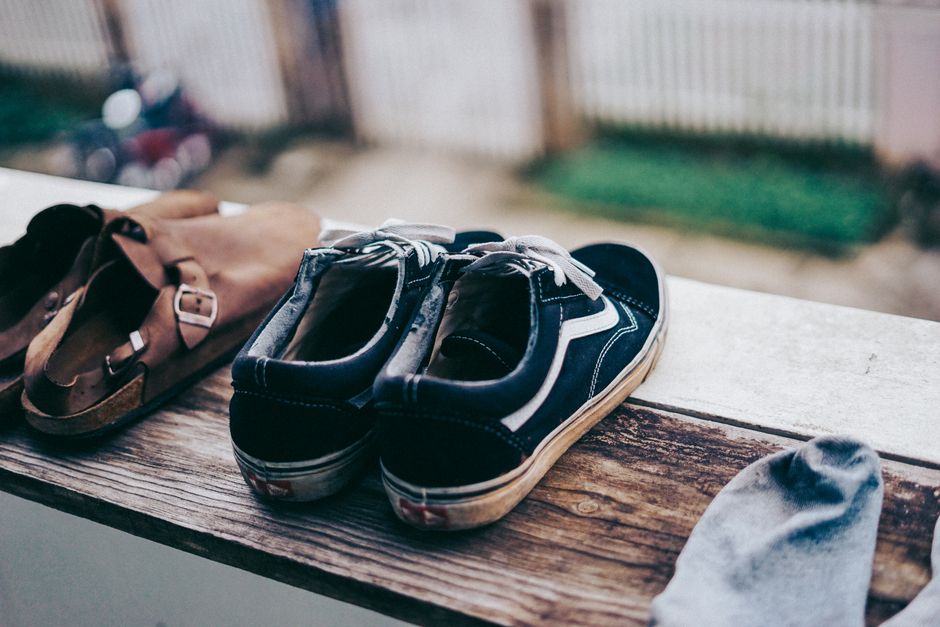
Know which parts you are cleaning
Before reaching for a damp cloth, check the care instructions for your sneakers. A white upper might combine smooth leather, coated fabric, mesh and suede, each needing a different approach. What works on the rubber sidewall may be unsuitable for the panel just above it.
Keep a small care kit together: a soft brush, clean white cloths and a separate brush for soles. White cloths make it easier to see the dirt you have lifted and avoid introducing dye from a coloured rag. If a cleaner is needed, choose one intended for the relevant material and patch-test it somewhere discreet, allowing the area to dry before continuing.
- Smooth finished leather: start with dry dusting, then use a barely damp cloth if the care instructions allow it. Avoid saturating seams.
- Canvas and mesh: brush off loose dust first. Follow the label for spot cleaning, using minimal moisture and gentle pressure.
- Suede and nubuck: use an appropriate dry brush and follow specialist care instructions. Do not apply the damp-cloth routine used on smooth panels.
- Mixed materials: work on each section separately, keeping moisture and cleaner away from sensitive neighbouring panels.
Make the doorstep check a habit
Give your sneakers a quick look when you take them off. Dust along the sole edge, a fresh splash and a mark from a trouser hem are easier to notice while you remember where they came from. You do not need to scrub the whole shoe after every outing.
For dry surface dust, use the soft brush with light strokes. Wipe a washable sidewall with a barely damp cloth, keeping it separate from the upper. Turn the cloth to a clean section as it picks up dirt; repeatedly rubbing with a dirty patch simply moves grime around.
Mud needs a different response. Lift off any loose clumps without smearing them, then let the remaining mud dry before brushing gently. Avoid chasing it around with a wet cloth. On delicate materials, stop if brushing starts to change the texture and consult the care guidance.
Choose your shoes around the forecast
Think about the route as well as the outfit. A short walk on dry pavements is different from crossing wet grass on the way to dinner. If heavy rain is expected, build the look around weather-appropriate footwear and save your white sneakers for another day. There is no need to make one pair handle every plan.
For a workday with a wet commute, change shoes indoors if that suits your routine. Carry the dry pair in a clean bag, with the soles contained so they cannot mark the uppers. On arrival, take damp commuting shoes out of their bag so they can air.
Check trouser lengths, too. Wide hems that drag on wet ground can brush dirt onto the heel and sides. A hem that clears the pavement helps both the trousers and the sneakers look neater. Dark denim may also transfer colour where it rubs, so watch the contact points when wearing a new pair of jeans.
When an unexpected shower catches you
Blot surface moisture with a clean cloth once you are indoors. Loosen the laces and open the tongue to let air circulate. If the shoes are soaked, remove insoles only if they are designed to come out, and follow the manufacturer’s drying advice.
Plain white absorbent paper can help support the shape while taking up moisture; replace it when damp and avoid packing it tightly. Leave the shoes in an airy spot away from radiators, hairdryers and strong direct sunlight. Do not put them back into a closed cupboard while they are still damp.

Rotate with what you already own
Rotation does not mean buying a second identical pair. Alternate white sneakers with loafers, boots or other trainers already in your wardrobe. The useful part is giving a damp pair time to dry fully before its next outing, rather than following a rigid calendar.
Plan around your week. Wear the white pair with cropped trousers for a dry office day, then choose boots with longer denim when rain is due. For an evening outfit, loafers can give a skirt or relaxed suit a polished finish while your sneakers air at home.
Always loosen the laces before taking sneakers off. Pushing one heel down with the other shoe can leave marks and crush the back. Undoing them before putting them on again also helps preserve the shape that makes them look tidy with smarter clothes.
Refresh the details that frame the shoe
Laces and sole edges draw the eye, even when the rest of the sneaker is reasonably clean. Check those details before deciding the whole pair needs attention. Remove laces for cleaning so you can reach the tongue and eyelet area without rubbing dirt into the fabric underneath.
Wash laces according to their material and care instructions, then let them dry completely before threading them back in. If they are frayed beyond use, replacing the laces can make the shoes look more considered. Match the original width and length for a similar finish.
Clean rubber sidewalls separately with a soft cloth and, where permitted, a little suitable mild cleaner. Wipe away residue carefully. Stop if the white finish starts coming off: some surfaces are painted or coated, and harder scrubbing can make a small mark more noticeable.
Skip the cupboard cleaning experiments
Bleach, abrasive powders and improvised mixtures are a poor starting point for a shoe made from several materials. Toothpaste and baking soda pastes can leave residue or alter a finish. A household product being familiar does not make it suitable for leather, textile panels or glued seams.
Use the least intervention the mark needs. Start dry, move to a lightly damp cloth only where appropriate, then consider a material-specific cleaner if necessary. Never mix cleaning products. Machine washing should only be considered when the sneaker’s own care instructions explicitly allow it.
If a stain remains after gentle care, resist repeatedly working the same patch. Check with the maker or a shoe-care specialist before trying anything stronger, particularly on suede, coloured trims or an unfamiliar coating.
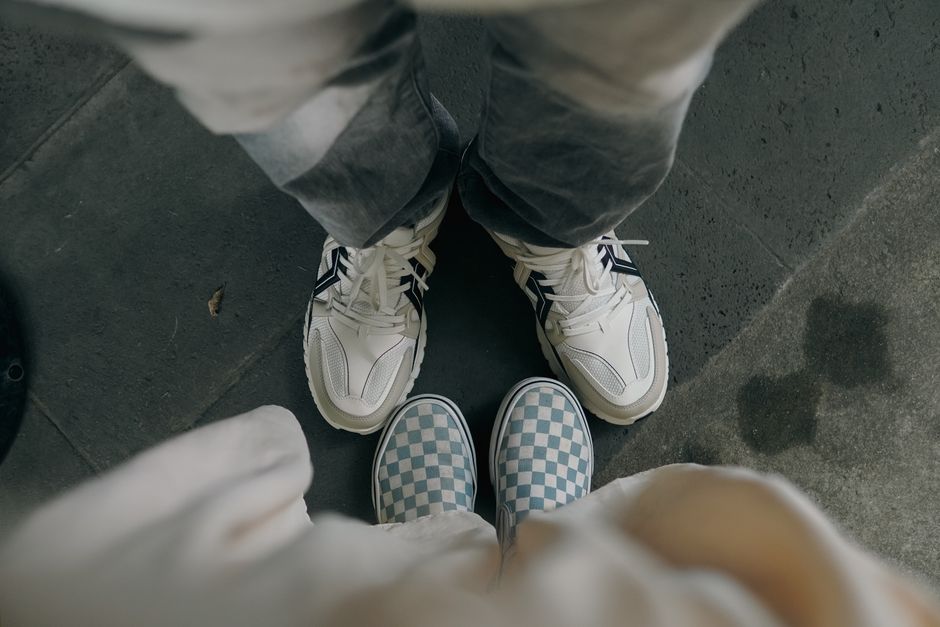
Store them ready for the next outfit
Put clean, fully dry sneakers on a shelf where another shoe’s sole cannot rest against the upper. Keep them away from prolonged direct sunlight and leave room around them. For longer storage, use clean, breathable protection rather than sealing away any lingering moisture.
Before wearing them again, straighten the tongues, settle the laces and check the heel edges. Those small finishing touches help white sneakers look intentional with everything from a cotton dress to relaxed tailoring. Consistent light care leaves more time to enjoy wearing them, without turning every scuff into a major project.