
Leggings can seem like the obvious choice for a day at your desk, until the waistband folds under your ribs or a seam starts pressing against your thigh. The pair that feels lovely while you stand in front of a mirror may feel quite different once you settle into a chair, reach for your laptop and stay there through a busy morning.
For desk work followed by errands, the useful details are often the least glamorous: where the waistband finishes, how the seams sit and whether the fabric stays opaque under tension. Start with those, and you can choose a pair that feels comfortable through emails, lunch and a walk to the shops.
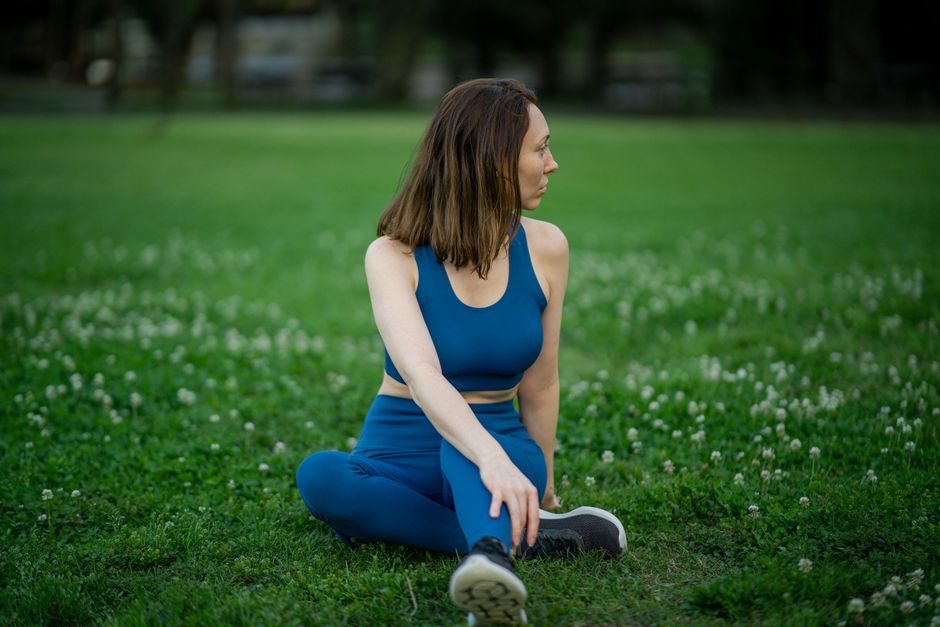
Choose the waistband from a seated position
A wide waistband can spread pressure more comfortably than a narrow elastic edge, but width alone tells you little. Run your fingers around the inside. Some broad bands contain a much narrower strip of elastic at the top, which may be the only part you feel when you sit down.
Try the leggings with your feet on the floor and your knees bent as they would be at your desk. Let your stomach relax. The band should feel secure without requiring you to hold yourself differently or keep adjusting its position. Lean forwards as though reaching for something beside your keyboard, then settle back.
High rise is a preference, not a guarantee
A high rise may feel reassuring, particularly if you prefer coverage when bending. On a shorter torso, however, a tall band may meet the underside of the ribs or fold at the waist. A mid-rise cut may sit more comfortably. The useful question is where the top edge lands on your own body when seated.
Notice whether a waistband folds once into a comfortable position or repeatedly rolls into a tight ridge. Constant rolling deserves attention, but it does not automatically mean you need a smaller size. The rise, band construction or proportions may simply be wrong for you. Try a different cut before accepting persistent pressure as normal.
Look for room where sitting changes the fit
Sitting asks more of the fabric across your seat, hips and knees than standing does. A pair can look smooth upright yet pull down at the back as soon as you take a chair. If you repeatedly haul the waistband up, check whether there is enough room through the seat and enough length in the rise.
Start with the size guide, then assess the whole garment. A waistband that fits alongside stretched, shiny fabric over the hips suggests a different issue from leggings that feel loose everywhere. Where possible, compare adjacent sizes and another cut. Sizing up can help, but it cannot resolve every mismatch in proportions.
Everyday leggings need enough stretch to follow you and enough recovery to return to shape. After sitting, stand and walk around. Look for sagging at the knees or a dropped crotch, and notice whether you must rearrange the fabric. You want a fit you can leave alone.
Pay attention to seams you can feel
Turn the leggings inside out before trying them on. Check the inner thighs, crotch and waistband joins for bulky ridges, stiff stitching or loose threads. A seam that feels slightly scratchy against your fingers may become more distracting when pressed between your skin and a chair.
Flat seams can feel less prominent, although the label alone is no promise of comfort. Placement matters too. A decorative seam across the back of the thigh might land exactly where your seat supports you. Sit properly in the leggings, rather than perching briefly on the edge of a stool.
A smooth front still needs the right rise
If a centre front seam bothers you, a style without one is worth trying. Still check for pulling through the crotch. Removing a seam does not create extra room, and fabric can gather or pull in a design that does not suit your proportions.
A gusset, the inset panel at the crotch, is another detail to inspect. Focus on how its edges feel when you sit and walk. There should be no need to pull the legs down repeatedly to relieve tension. Try a normal stride and a few steps up if the fitting space allows.

Check opacity in the positions you actually use
A dark colour does not guarantee coverage. Fabric may look solid while relaxed and become sheer when stretched across the seat. Check the exact colour and size you intend to wear, with the underwear you would normally choose, rather than assuming another version will behave identically.
At home, use daylight and a mirror to inspect the back while standing, sitting and bending to pick something up. A second mirror can help you see the fabric without twisting awkwardly. Keep tags attached and follow the retailer’s fitting and returns conditions while deciding.
Separate sheerness from underwear lines. Visible colour or skin through the fabric is a coverage issue; an outline can show through opaque material because of texture and fit. Smooth underwear may soften an outline, but it will not make sheer leggings opaque. Nor should you need to stretch a smaller size into providing support.
Choose fabric for your indoor day
Think about the room where you spend most of your time. A plush, brushed surface may appeal on a cold morning yet feel too warm in a heated workspace. A smoother, lighter fabric may suit that room better, provided it offers the coverage and feel you want.
Use descriptions such as soft, sculpting or supportive as starting points. They cannot tell you whether you will enjoy wearing the garment for hours. Pay particular attention to pressure behind the knees and around the waist; a firm fit you like for a short walk may feel tiring during a seated afternoon.
Consider contact with your surroundings, too. A rough chair edge, bag fastening or jewellery can catch delicate surfaces. Inspect the care label before buying and choose a pair whose washing instructions fit your routine. An easy everyday favourite should be practical to look after.
Make pockets work with your chair
Pockets are handy for errands, but try them while seated. A phone in a side pocket can press against the hip or meet the edge of an armrest. A back waistband pocket may feel awkward against your chair, especially when filled with keys.
Put your usual phone in the pocket during a permitted try-on, then sit and stand. Check whether its weight pulls the leggings down or distorts the side seam. If you prefer a smoother feel at your desk, leave the pockets empty indoors and use them only for the walk out.
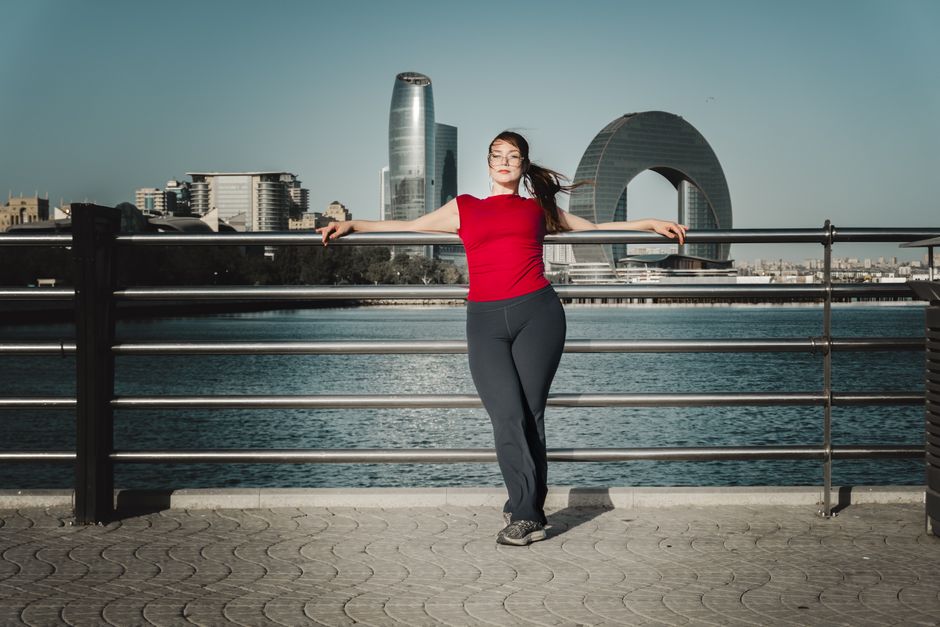
Give the whole pair a quiet try-on
Before committing, recreate a few ordinary moments rather than relying on a flattering mirror pose. Wear the top you expect to pair with the leggings so you can judge how hems and waistbands sit together.
- Sit naturally: relax your stomach and notice pressure at the waist, hips and backs of the knees.
- Reach and bend: check that the back stays covered and the crotch does not pull.
- Stand and walk: notice slipping, bunching or seams that rub.
- Check coverage: look at stretched fabric in daylight, including across the seat.
- Pause before adjusting: identify what feels wrong before automatically tugging everything back into place.
The right desk-to-errand leggings should let you get absorbed in your day. Prioritise a waistband that accommodates sitting, seams you barely notice and fabric that covers comfortably. Once those details work, getting dressed can be as straightforward as adding your favourite shirt and heading out when the work is done.