Most people see a fashion influencer posting a photo in a designer dress and think: they just take pictures for a living. That assumption is wrong, and it costs aspiring influencers real money. A fashion influencer is a digital media creator who monetizes their audience by promoting fashion brands, products, and lifestyles. But the gap between the glossy Instagram feed and the actual bank account is wider than most realize.
This article breaks down what a fashion influencer actually does, how they get paid, what it costs to start, and the common traps that drain time and money. If you are researching this as a career or a business partner, these are the numbers you need.
What Does a Fashion Influencer Actually Do All Day?
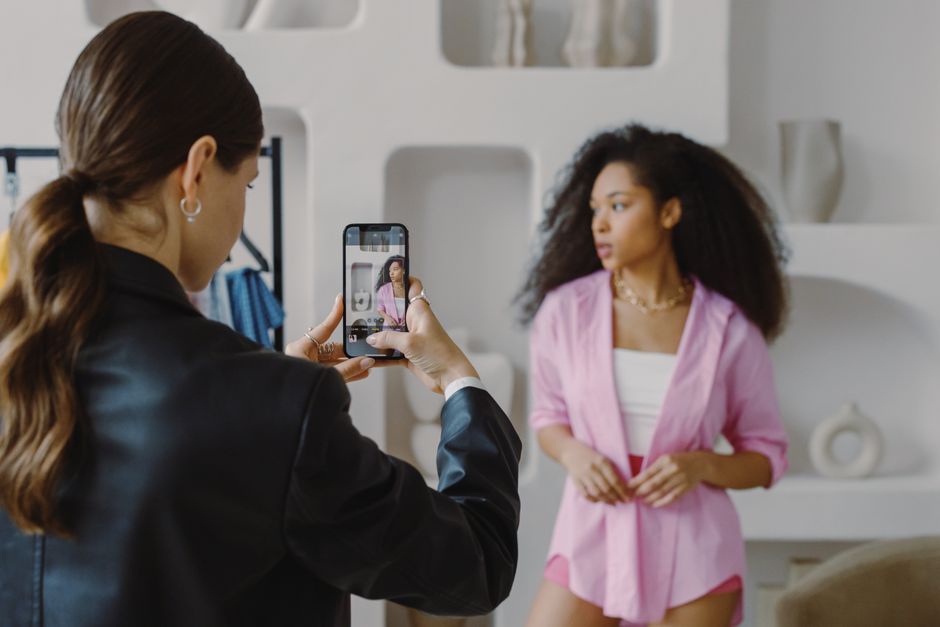
The public sees the final post. They do not see the 4-hour photoshoot, the 45-minute editing session, the 30 DMs with brand managers, or the 2-hour negotiation over a $500 contract. A fashion influencer runs a small media business. The daily work includes:
- Content production: Shooting photos and videos, editing, writing captions, scheduling posts. Average time per polished Instagram post: 2.5 hours.
- Audience management: Replying to comments and DMs, engaging with followers, analyzing which posts perform best.
- Brand outreach and negotiation: Pitching themselves to brands, reviewing briefs, negotiating rates, signing contracts.
- Business admin: Invoicing, tracking expenses, filing taxes, managing a content calendar.
One fashion influencer with 50,000 Instagram followers told me she spends 35-40 hours per week on these tasks. Her take-home pay after taxes and expenses? Roughly $2,800 per month. That is below the US median income for a single person.
The misconception is that influencers are “lazy” or “just posting photos.” The reality is closer to running a solo marketing agency with a single client: yourself.
The Three Main Income Streams
Fashion influencers typically earn from three sources:
- Sponsored posts: A brand pays a fixed fee for a post featuring their product. Rates vary wildly — $50 to $5,000+ per post depending on follower count, engagement rate, and niche.
- Affiliate commissions: The influencer shares a trackable link. When someone buys through that link, the influencer earns 5-20% of the sale price. This is passive but unpredictable.
- Product gifting: Free products instead of cash. Common for smaller accounts. A $200 dress is not income — it is a barter trade.
One 2026 survey of 500 fashion influencers showed that only 12% earned more than $50,000 annually from influencing alone. The median was $8,400.
How Brands Decide Which Influencer to Pay (and How Much)
Brands treat influencer marketing like any other ad channel. They want a return on investment. The metrics they actually use:
| Metric | What It Means | Typical Minimum for Paid Collaboration |
|---|---|---|
| Follower count | Total audience size | 5,000+ for micro-influencers |
| Engagement rate | Likes + comments divided by followers | 2% minimum; 5%+ is excellent |
| Conversion rate | How many followers click and buy | 0.5-2% on affiliate links |
| Audience demographics | Age, location, income level | Must match brand’s target customer |
Here is the part most guides skip: brands do not care about your follower count if your engagement rate is below 1%. I have seen accounts with 80,000 followers and a 0.8% engagement rate get offered $75 for a post. Meanwhile, an account with 12,000 followers and 8% engagement can command $400+ per post.
Brands also check for fake followers. Tools like HypeAuditor and SocialBlade reveal bot percentages. If 30% of your followers are bots, most brands will pass. A fashion influencer with 20,000 real followers is worth more than one with 100,000 followers where half are fake.
The Rate Card Myth
Many new influencers create a “rate card” — a fixed price list for posts, stories, and videos. Experienced influencers know this is a negotiation starting point, not a guarantee. A brand with a $500 budget will not pay $1,000 just because your rate card says so. They will move to the next influencer.
Smart influencers build relationships with brand managers. One repeat client at $300 per post for six posts a year is $1,800. That is more reliable than chasing ten one-off $200 deals.
The Hidden Costs of Being a Fashion Influencer
This is the section most articles avoid because it is not glamorous. Running a fashion influencer account costs real money. The average monthly expenses for a mid-tier influencer (10,000-50,000 followers):
- Equipment: A decent camera (Sony ZV-E10 at $700) or smartphone (iPhone 15 Pro at $1,100). Lighting kit: $150-300.
- Clothing and styling: Brands send free clothes, but only for specific posts. For everyday content, influencers buy their own. Average monthly spend: $200-600.
- Editing software: Adobe Creative Cloud: $55/month. Canva Pro: $13/month.
- Education and tools: Courses, analytics tools, scheduling apps (Later, Planoly): $30-100/month.
- Taxes: Self-employment tax in the US is 15.3% of net income. Plus state income tax. Many influencers forget to set aside 25-30% of every payment for taxes.
One influencer with 35,000 followers broke down her 2026 finances publicly: gross income of $24,000, expenses of $9,200, net income of $14,800. That is $1,233 per month. Before taxes.
The warning here is direct: if you are spending $500/month on clothes to look like an influencer but only earning $300/month in sponsorships, you are losing money. This is a business. Track every dollar.
Three Mistakes That Kill an Influencer Career Before It Starts
I have watched dozens of aspiring fashion influencers burn out or go broke within 18 months. The patterns are consistent.
Mistake 1: Buying followers. It is tempting. $50 gets you 5,000 followers instantly. But those followers do not engage. Your engagement rate drops. Brands check. You get rejected. Your account becomes worthless. I have seen this kill accounts with 30,000 followers — they could not land a single paid collaboration.
Mistake 2: Accepting every brand deal. New influencers often say yes to everything — fast fashion, skincare they do not use, products that do not fit their aesthetic. This destroys trust. Followers notice when you promote something you would never actually wear. One bad post can drop engagement by 15-20% for weeks.
Mistake 3: Ignoring contracts. Many influencers accept verbal agreements or one-line DMs. Then the brand uses their photo in an ad without additional payment, or refuses to pay because “the post did not perform well.” Always get a written contract specifying usage rights, payment terms, and deliverables. The Fashion Law Institute offers free template contracts for influencers.
When Being a Fashion Influencer Is Not the Right Move
This career path is not for everyone. Here are situations where you should reconsider:
- You hate creating content. If shooting, editing, and writing captions feels like a chore, you will burn out. The successful influencers I know genuinely enjoy the production process.
- You need stable, predictable income. Influencer income fluctuates wildly. One month you land a $2,000 campaign. The next month, zero. If you have rent and bills that cannot flex, this is risky.
- You are not comfortable with public scrutiny. Every outfit, every opinion, every mistake is visible. Trolls, negative comments, and brand complaints are part of the job.
- You want to stay anonymous. Influencers trade privacy for visibility. Your face, your home, your shopping habits become public content.
Alternatives exist. Fashion writing for blogs or magazines pays per article. Styling for private clients offers consistent work. Affiliate marketing without showing your face is possible through niche websites or Pinterest. These paths lack the fame but offer more stability.
One former influencer I interviewed quit after two years. She now runs a small vintage clothing store on Etsy. Her income is lower, but she says she sleeps better. “I was working 50 hours a week to look like I was living a dream. Now I work 30 hours and actually live one.”
The Future of Fashion Influencing: What Changes by 2027
The industry is shifting. Three trends are already visible:
Brands want long-term partnerships, not one-off posts. A 2026 study by Influencer Marketing Hub found that 68% of brands now prefer 3-6 month partnerships over single posts. This means more stable income for influencers who can deliver consistent results, but higher barriers to entry for newcomers.
Video content dominates. TikTok and Instagram Reels now account for 70% of influencer engagement. Static photo posts are declining. Fashion influencers who cannot shoot, edit, and appear in short video content will struggle. The equipment cost is higher — a decent tripod with a phone mount costs $40, but good lighting for video costs $150-300.
Transparency requirements are tightening. The FTC has fined influencers for not clearly disclosing paid partnerships. Expect more regulation. Proper disclosure tags (#ad, #sponsored) are not optional. One influencer with 200,000 followers received a $15,000 fine in 2026 for failing to label three sponsored posts. That wiped out two months of income.
The fashion influencer role is not disappearing. But it is maturing. The hobbyists who post for fun will remain. The professionals who treat it as a business — with contracts, tax planning, and real audience growth strategies — will be the ones who earn a living. The days of posting a selfie in a free dress and calling it a career are ending. The business side is taking over.