I stopped buying new clothes after realizing that my wardrobe was full, yet getting dressed still felt difficult. Building a secondhand-only wardrobe did not happen through one dramatic closet clear-out. It came from better measurements, slower shopping, and accepting that some gaps needed time before the right piece appeared.
This is not legal advice — consult a licensed attorney.
Why I Chose a Secondhand-Only Wardrobe
The real problem was excess, not a lack of clothes
My first mistake was treating every outfit problem as a shopping problem. If a shirt felt wrong, I bought another shirt. If jeans pinched at the waist, I searched for a different trend instead of checking the rise, fabric, and measurements that actually mattered. The result was a crowded rail of almost-right pieces.
A secondhand-only wardrobe changed the question. I stopped asking, What can I buy today? I started asking, What job must this garment do, and what evidence would prove that it can do it? A black layer had to work over a dress, under a coat, and with relaxed trousers. A summer top needed to survive washing without twisting or becoming see-through. A pair of shoes needed a real walking purpose.
My three-part buying test
Before buying anything, I now check function, fit, and repeat wear. Function means the garment fills a real gap. Fit means I compare the seller’s measurements with a garment I already wear comfortably. Repeat wear means I can name at least three outfits before paying.
This rule removed most impulse purchases. It also made secondhand shopping less frustrating because I no longer expected every trip to produce a complete outfit. The goal became a smaller set of clothes that work together, not a constant stream of interesting single pieces.
The Closet Audit That Made Thrifting Easier
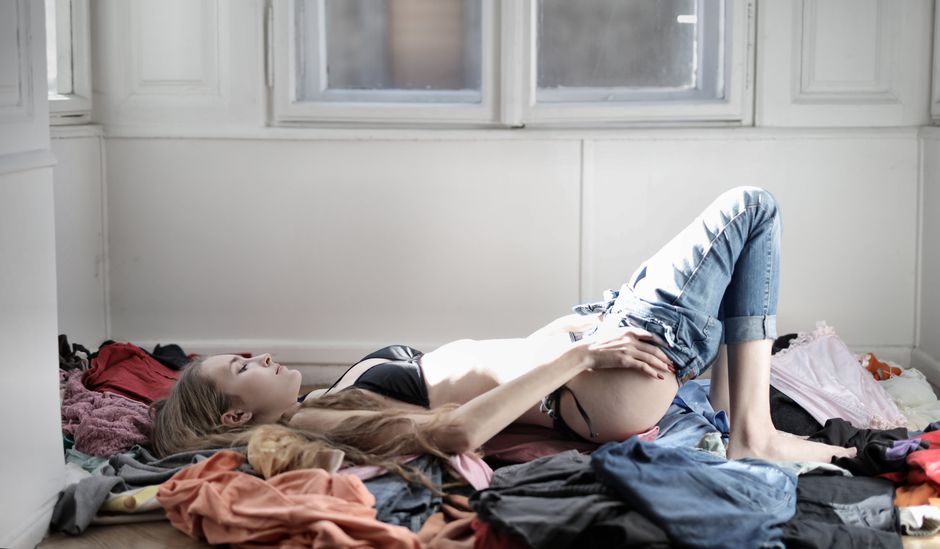
The closet audit was the turning point. I removed every item and sorted it into four groups: worn weekly, worn sometimes, needs repair, and never worn. I did not make decisions based on guilt. A gift was still allowed to leave if it did not fit my life.
My starting inventory
| Category | Kept | Problem found | Secondhand search rule |
|---|---|---|---|
| Tops | 18 | Too many similar white and black shirts | Buy only unusual colors, useful layers, or better fabric |
| Trousers and jeans | 7 | Two pairs needed tailoring | Check waist, rise, inseam, and hem width before buying |
| Dresses and skirts | 9 | Several pieces had no matching shoes | Buy only if at least two existing outfit options work |
| Outerwear | 4 | One coat was too warm for local weather | Match insulation and fabric to the actual climate |
| Shoes | 6 | Two pairs caused blisters | Inspect soles, heel wear, lining, and insole condition |
| Bags and accessories | 11 | Many pieces looked good but lacked daily use | Choose one clear purpose per bag or accessory |
How I turned gaps into a list
After sorting, I wrote down only five genuine gaps: dark straight-leg jeans, a rainproof layer, comfortable black shoes, a warm knit, and a medium everyday bag. That list became my filter. If I found a beautiful jacket that did not solve one of those problems, I saved a photo and walked away.
The list also exposed a useful truth: I did not need five new items. I needed one pair of jeans, one dependable coat, and a better shoe. The rest could wait. A secondhand wardrobe becomes expensive when every low price feels like permission to buy.
How I Check Fit, Fabric, and Condition
Secondhand shopping rewards patience, but patience does not replace inspection. A low price is not a bargain if the garment needs $40 in repairs or stays unworn because the cut feels wrong.
My fitting-room checklist
- Measure the garment flat across the chest, waist, and hips. Double those numbers when comparing them with body measurements.
- Check the shoulder seam. For jackets and shirts, it should sit close to the shoulder edge rather than dropping several inches.
- Sit, bend, and raise both arms. A garment that only works while standing on a fitting-room platform is not a useful purchase.
- Look at the fabric under bright light. Thin elbows, shiny seat areas, stretched seams, and small moth holes often appear after the first close inspection.
- Read the care label. Dry-clean-only wool may be worth it, but it should be a conscious choice rather than a surprise.
- Smell the garment before paying. Strong fragrance, smoke, or damp odors can remain after washing.
Specific examples from my search
For jeans, the Levi’s 501 was my clear winner because the button fly, straight leg, and wide range of used measurements made it easy to compare listings. Typical secondhand prices run about $35 to $70, but the size on the tag matters less than the actual waist, rise, and inseam. I rejected pairs with a stretched waistband even when the denim looked nearly new.
For cold-weather layering, the Patagonia Better Sweater was the most practical target at roughly $45 to $90 used. Its fleece weight works under a coat without creating a bulky arm, and the fabric is easy to wash at home. I skipped pieces with matted fleece around the cuffs because that wear does not improve with cleaning.
My rule is simple: measure first, inspect second, imagine outfits third. If any one of those checks fails, the garment stays behind.
The Secondhand Pieces Worth Waiting For
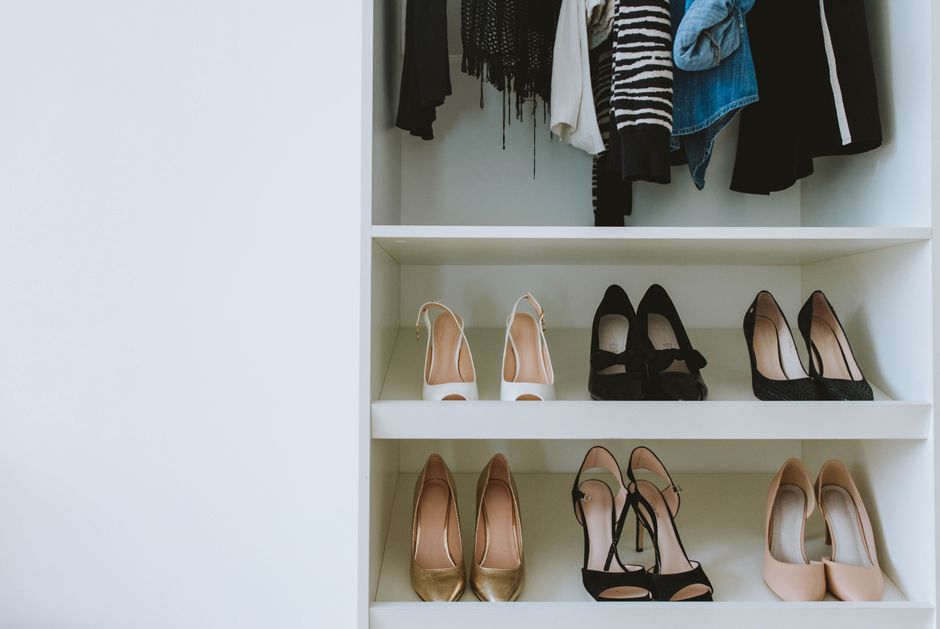
My strongest recommendation is to wait for the right foundation pieces instead of filling gaps with cheap substitutes. The best secondhand buys in my wardrobe are not the most unusual items. They are durable pieces with recognizable construction, stable demand, and enough styling range to earn frequent wear.
Best everyday foundation: Levi’s 501 jeans
The Levi’s 501 remains my top choice for a casual wardrobe because it gives structure without looking overly polished. Look for a waist that closes comfortably when seated, an inseam that leaves either a clean break or a deliberate crop, and denim without severe thinning between the thighs. A used pair around $35 to $70 is a better purchase than a $20 pair that needs a replacement zipper or major patching.
Best weather layer: Barbour Bedale
For wet, mild weather, I chose the Barbour Bedale over lightweight fashion jackets. Used prices often fall between $120 and $220, depending on size, lining, condition, and recent rewaxing. The waxed cotton shell can handle drizzle, while the relaxed cut leaves room for a sweater. The tradeoff is care: a Bedale needs occasional rewaxing, and the waxed finish should not go into a standard washing machine.
Best shoes and warm layer
The Dr. Martens 1460 boots were my best secondhand shoe purchase, usually costing $50 to $110 used. I checked the welt, heel wear, sole separation, and leather cracks before buying. For a softer indoor layer, the Patagonia Better Sweater earned its place because it is warm, washable, and easy to combine with jeans or skirts. For an everyday bag, a used Coach Legacy leather bag around $70 to $160 offered better structure than the thin synthetic bags I had previously replaced every year.
These pieces are not automatic buys. I would not buy any of them with damaged hardware, strong odor, deep leather cracks, or a fit that requires constant adjustment. Brand recognition helps with research, but condition and measurements decide the purchase.
What Went Wrong and How I Fixed It
Why did I buy pieces that never left the closet?
I bought items because they were rare, cheap, or close to my size. None of those reasons predicted wear. One vintage skirt had a beautiful print but required a top and shoes I did not own. A jacket fit my shoulders but pulled across the back when I reached forward. A bag looked excellent online but was too small for my wallet, phone, keys, and sunglasses.
The fix was a three-wear rule. Before paying, I had to name three outfits using clothes already in my closet. I also started carrying a small tape measure. For online listings, I asked for flat measurements, fabric composition, close-up photos of cuffs and underarms, and a clear picture of the care label.
When should I leave a secondhand item behind?
Leave it behind when the repair estimate is higher than the garment’s value to you, when the fabric causes discomfort, or when the item only works for a fantasy version of your life. A vintage leather coat may be beautiful, but it is not a smart purchase if you commute by bicycle in heavy rain. A delicate silk blouse may be elegant, but it is a poor fit for a weekly laundry routine.
I also stopped buying secondhand basics that were already worn thin. A low price cannot restore a loose collar, faded elastic, or fabric polished by years of friction. This is where I became more selective, not less. The goal is not to avoid spending money. The goal is to spend it on clothing that survives real use.
For online resale, I record the listing, seller description, measurements, and return terms before paying. This is especially useful when a platform’s policy changes or a seller describes a flaw vaguely. This is not legal advice — consult a licensed attorney.
The Rules I Still Use to Keep My Wardrobe Secondhand
What I buy now
- I search by garment measurements, fabric, color, and model name rather than scrolling through every new listing.
- I keep a five-item gap list and remove an item whenever the gap changes.
- I wait 48 hours before buying anything that is not a clear replacement.
- I budget for tailoring, resoling, buttons, and rewaxing before calling an item affordable.
- I wash or air out every purchase according to its care label before it enters the main wardrobe.
What I do with clothes that no longer work
Keeping a wardrobe secondhand does not mean keeping every secondhand purchase forever. I resell wearable pieces, swap them with friends, donate clean items in usable condition, and send damaged textiles to a proper recycling or repair program when one is available locally. I do not treat donation as a way to erase careless buying.
The biggest triumph was not finding a rare designer piece. It was opening the closet and seeing options that matched my actual week: work, errands, dinners, bad weather, and quiet days at home. My secondhand-only wardrobe now grows slowly, but each addition has a job. That is the standard I plan to keep.