People assume a gender-neutral streetwear wardrobe means buying oversized black clothes and calling the job done. That was my mistake. My closet looked neutral, but my outfits looked flat, repetitive, and strangely hard to wear.
I rebuilt it around proportion, color, fabric weight, and repeatable combinations. The result is a smaller wardrobe that works across body shapes and does not depend on a men’s or women’s label. Here is the method I actually kept using.
Why Gender-Neutral Streetwear Is Not Oversized Everything
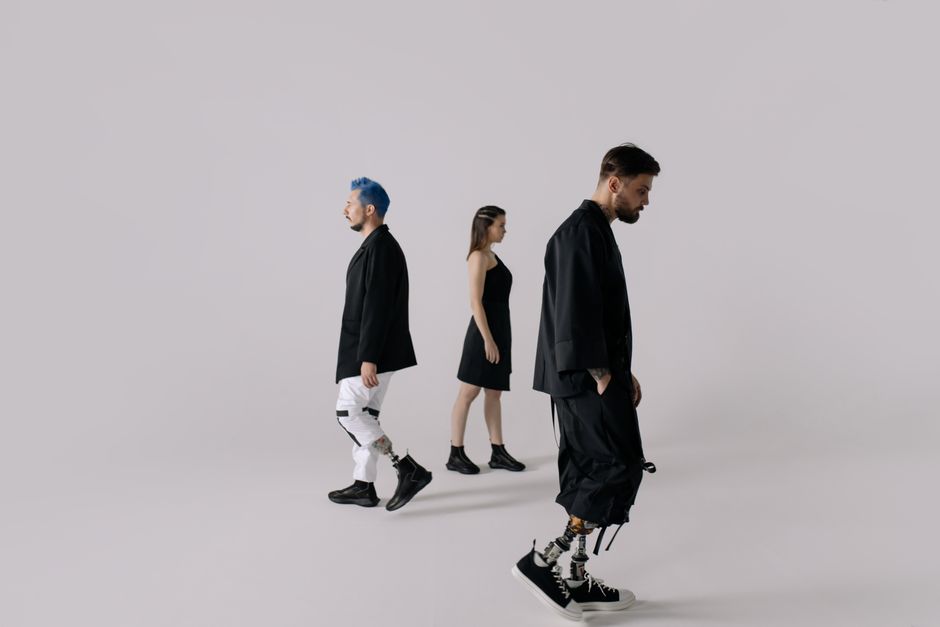
My verdict: A gender-neutral outfit needs balanced proportions, not one giant sweatshirt over one giant pair of pants. Oversizing every item hides the body and removes the visual contrast that makes streetwear look intentional.
Fit Is About Proportion, Not the Label
A garment can sit in the men’s, women’s, or unisex section and still work. The label matters less than shoulder width, rise, hem length, and fabric behavior. I stopped asking, “Who was this designed for?” and started asking, “What shape does this create on me?”
A boxy jacket works best with a straighter or slightly tapered bottom. Wide trousers need a shorter jacket, a tucked shirt, or a visible shoe to keep the outfit from dragging downward. A slim top can handle a loose carpenter pant, but a slim top with skinny jeans usually looks dated unless the shoes add real weight.
The Three-Silhouette Test
Before buying anything, I run three quick checks. First, I look at the shoulder line. It should either match my shoulders or clearly drop in a deliberate way. A jacket that is only slightly too wide looks accidental.
Second, I check the rise and break of the trousers. A mid-to-high rise gives a cropped hoodie or short jacket somewhere to land. Third, I judge the full outline from six feet away. If every piece forms one long rectangle, I change one proportion.
This approach makes gender-neutral dressing more useful. It leaves room for curves, narrow frames, broad shoulders, long legs, and short torsos. The winning outfit is not the baggiest one. It is the one with a clear shape.
The Closet Problem That Forced My Reset
My old streetwear rotation failed because it contained plenty of clothes but very few complete outfits. I owned statement pieces, yet each one needed a special shirt, special shoe, or perfect weather condition. Getting dressed became a sorting exercise.
Where My Old Rotation Failed
I had too many loud tops and not enough dependable bottoms. I bought graphic tees because they looked interesting on a product page, then discovered that the graphics fought with every jacket I owned. I also treated footwear as an afterthought. That was expensive because the wrong shoe changes the entire balance of loose trousers and cropped layers.
The other problem was fabric weight. A thin jersey tee under a stiff work jacket felt unfinished. A heavy hoodie under a narrow coat felt crowded. The pieces were not bad individually. They simply had no shared logic.
The Rule I Kept
I reduced the wardrobe to three jobs: an anchor, a layer, and a finish. The anchor is a reliable trouser or jean. The layer adds shape, such as a bomber, overshirt, denim jacket, or chore coat. The finish is the shoe, bag, hat, or jewelry that gives the outfit a point of view.
Every new item had to work with at least three existing pieces. If it only created one attractive outfit, I left it in the store. That rule removed most impulse purchases immediately.
The best streetwear wardrobe is not built from rare pieces. It is built from pieces that keep solving the same morning problem without looking exactly the same.
How I Built a Color System That Earns Repeat Wears
I stopped treating color as decoration. In a small wardrobe, color is a linking system. My base is black, washed navy, ecru, olive, and gray. Those five shades create contrast without forcing every outfit into a monochrome uniform.
My Five-Color Grid
| Color | Wardrobe role | Pieces I assigned to it | Target count |
|---|---|---|---|
| Black | Strong anchor | Trousers, hoodie, low-profile cap | 3 pieces |
| Washed navy | Soft dark neutral | Overshirt, sweatshirt, relaxed tee | 3 pieces |
| Ecru | Light contrast | Tee, canvas sneaker, knit layer | 3 pieces |
| Olive | Utility accent | Chore jacket, cargo pant, crossbody bag | 2 pieces |
| Gray | Bridge shade | Hoodie, sweatpant, ribbed beanie | 3 pieces |
Why This Palette Works
Black gives the wardrobe structure, but too much black makes texture disappear. Ecru brings light to an outfit and makes washed navy look richer. Olive adds a workwear note without turning the outfit into a costume. Gray softens the contrast between dark and light pieces.
I allowed one small accent color at a time: red socks, a cobalt bag, or a striped tee. The accent had to appear in only one place. Two or three bright accents made the outfit feel planned by the clothes instead of by me.
This system also reduced laundry problems. Most pieces could be worn together without creating odd color clashes. My clear recommendation is to choose four or five connected colors before shopping for more statement clothing.
Which Streetwear Staples Made the Cut
My clear winner is the relaxed trouser, not the graphic hoodie. A strong bottom gives more outfit options, while a loud top often gives you one look. I introduced specific products only after the wardrobe system was working, and I judged each one by how many outfits it could support.
The Outer Layer I Actually Wear
The Carhartt WIP Detroit Jacket is the strongest structured layer in my rotation. It usually costs about $229 in the United States, depending on fabric and seasonal color. Its cropped, boxy shape works over a tee, sweatshirt, or thin knit. The key is the hem: it ends high enough to show the trouser rise instead of creating one long block.
I would skip it if you already own several short jackets or if you need a very warm winter coat. The Detroit Jacket is a styling layer, not a complete cold-weather solution. For a cheaper workwear direction, a standard Dickies Eisenhower Jacket gives a similar straight, practical outline at roughly $60, though the fabric and finish feel less refined.
The Bottoms That Fixed My Outfit Problems
The Dickies 874 Work Pant became my most useful pair. It sits at the waist, uses sturdy 8.5-ounce twill, and usually sells for about $30. The straight leg gives oversized tops enough structure, while the front crease makes a basic tee look sharper.
For denim, the Levi’s 501 Original Jeans cost about $80 and bring a straight leg, button fly, and rigid-to-soft cotton denim depending on the wash. I prefer a medium blue or faded black wash because both connect to navy, ecru, olive, and gray. I would not buy the 501 if you dislike a button fly or need a very relaxed, wide leg.
The Shoes That Finish the Proportions
The adidas Samba OG is a useful low-profile choice at about $100. Its leather upper and gum rubber outsole keep wide trousers from looking too heavy. The Converse Chuck 70 High, usually about $95, does the opposite: its 12-ounce canvas upper and taller shape add weight to cropped pants and short jackets.
My pick is the Samba for everyday balance and the Chuck 70 when an outfit needs more vertical presence. I would not buy both in the same color. That creates duplication, not range.
How I Turn a Small Wardrobe Into Real Outfits
The wardrobe became practical when I stopped building outfits around a single hero item. I now dress from the bottom up, because the trouser shape decides what the upper half can handle.
My Ten-Minute Outfit Check
- Choose the bottom first. Start with straight trousers, relaxed denim, or a wide leg. Check the hem against the shoe.
- Pick a top that creates contrast. A cropped jacket needs a longer tee or a higher-rise bottom. A long overshirt needs a cleaner, narrower base.
- Add one texture change. Pair cotton jersey with canvas, denim with nylon, or fleece with leather. Three similar fabrics make the outfit look dull.
- Limit the visible branding. One logo can anchor the look. Three logos turn it into an advertisement.
- Take a quick mirror photo. The camera catches dragging hems, crowded layers, and sleeves that are too long.
The Rotation Rule
I wear the same core pieces in different combinations for one week before deciding that I need something new. The Dickies 874 can look workwear-focused with a canvas jacket, cleaner with a tucked tee, or relaxed with a sweatshirt and low-profile sneaker. That is three uses from one pair of trousers.
If an item only works with one shoe, one season, or one exact base layer, it does not belong in my core wardrobe. I keep unusual pieces for fun, but I no longer mistake novelty for versatility.
What I Got Wrong About Unisex Dressing
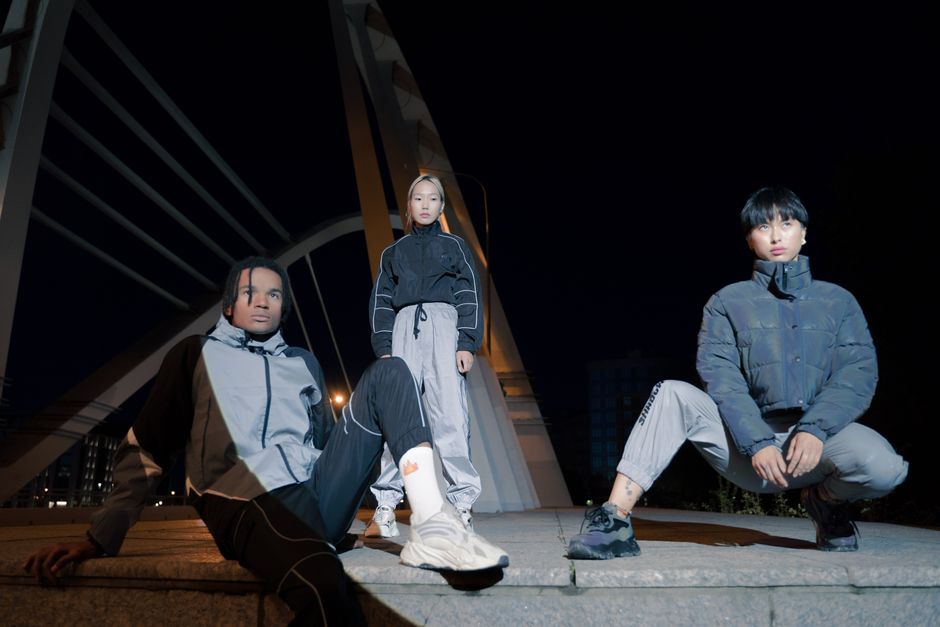
My first attempt had predictable problems. I bought “unisex” items as if the word guaranteed a good fit. It does not. Unisex sizing often means a broader measurement range, not a universal shape.
Do All Gender-Neutral Clothes Need Oversized Proportions?
No. Oversized clothing is useful for layering, but a relaxed tee with a regular-width trouser can look more modern than a huge hoodie with wide sweatpants. I now keep one oversized layer per outfit unless the fabric is light and the silhouette is very deliberate.
The common mistake is sizing up twice. A person buys an already-relaxed jacket, then chooses two sizes larger for extra room. The shoulders collapse, the sleeves cover the hands, and the garment loses its intended line. Buy the cut you want first. Size up only when the measurements show a real need.
When Should You Skip a Unisex Cut?
Skip it when the shoulder, rise, or hip shape fights your body. A men’s trouser may fit the waist but pull across the seat. A women’s jacket may have a better shoulder line but a hem that feels too short. There is no prize for shopping from one section.
For a straighter cut, the Levi’s 501 is easier to balance than a very tapered jean. For a roomier outfit, the Dickies 874 is more reliable than buying an oversized jogger. The correct alternative is the piece that gives you the shape you want with fewer alterations.
Can a Capsule Wardrobe Still Look Personal?
Yes, but personality has to come from details rather than constant new purchases. I use a silver chain, one worn-in cap, unusual socks, and a canvas crossbody bag. These small choices change the mood while the base stays stable.
The part I would avoid is buying five versions of the same “signature” piece. A wardrobe full of graphic tees is still repetitive, even if every graphic is different. Personal style needs contrast: clean and distressed, fitted and loose, plain and marked.
My Final Gender-Neutral Streetwear Formula
For most people, the best starting uniform is a straight trouser, a clean tee, one cropped or structured layer, and a low-profile sneaker. That formula handles commuting, casual dinners, travel, and ordinary weekends without looking like gym wear.
The Exact Five-Piece Core
Start with one black or olive straight trouser, one medium-wash straight jean, two heavyweight tees in ecru and gray, one structured jacket in navy, black, or olive, and one sneaker with a simple profile. Add a hoodie only after those pieces work together. Add a statement jacket only after you can style it three ways.
My own strongest combination is the Dickies 874 in black, an ecru tee, the Carhartt WIP Detroit Jacket, and adidas Samba OG sneakers. The proportions stay clean, the colors connect, and each item works in other outfits. When the weather drops, I swap the tee for a gray sweatshirt and the Samba for Converse Chuck 70 High sneakers.
The Recommendation
Build the wardrobe around fit and repeat use, not the word unisex on a product page. Buy the Dickies 874 first if you need a reliable foundation, the Carhartt WIP Detroit Jacket if your tops lack structure, and the adidas Samba OG if your wide trousers need a lighter finish. That three-piece path gives a gender-neutral streetwear wardrobe enough shape, contrast, and range to work every week.