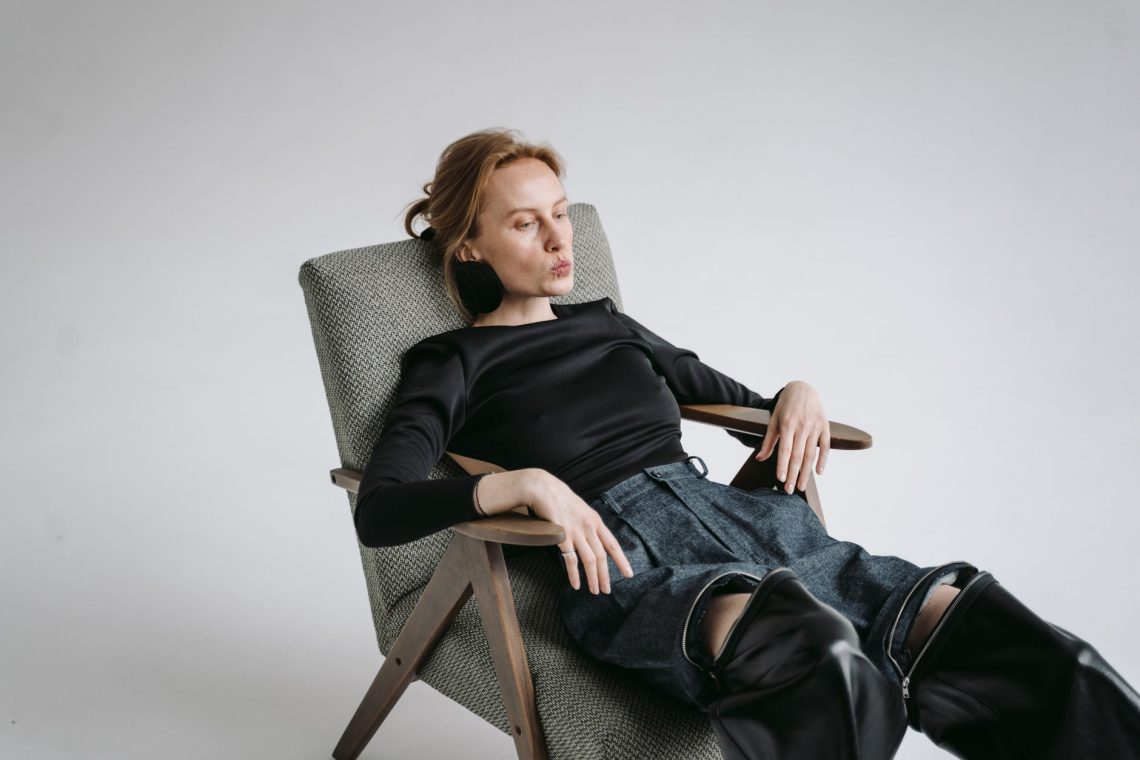
Over-the-knee socks and boots can both make a skirt feel more wearable when the temperature drops, but they offer different kinds of comfort. Socks add a flexible layer that is easy to remove; boots bring more coverage and a firmer structure. Neither is automatically warmer or easier to wear. The fabric, fit and rest of your outfit matter as much as the height.
The useful question is how you want to spend your day. A short walk followed by hours in a heated office calls for something different from an afternoon outdoors. Start with your routine, then choose a pair that lets you sit, walk and bend comfortably without constant adjustment.
Decide where you need the warmth
Think about your whole outfit before concentrating on your knees. Long socks will not make thin, open shoes suitable for a cold, wet walk. Equally, tall boots cannot compensate for a draughty coat or a skirt that leaves you uncomfortable whenever the wind catches it.
Over-the-knee socks are useful when you want an extra textile layer with shoes or shorter boots you already enjoy wearing. They can sit over tights, making a skirt outfit feel cosier while leaving your footwear choice open. They also take up little space if you need to remove them indoors.
Boots give continuous coverage from foot to thigh, depending on the design. A substantial upper can feel more sheltered in a breeze than an open knit, but tall does not mean waterproof. Check the material and care information before planning to wear a pair in rain. Suede, in particular, needs consideration when the forecast is damp.
Choose socks for softness and flexibility
If stiff footwear bothers you, socks offer a gentler starting point. Look for a knit that stretches evenly rather than relying on a very tight band at the top. A wool blend can feel cosy, while a smoother, finer knit slips more neatly beneath boots. Judge the actual fabric against your skin: a chunky appearance tells you little about whether it will itch.
Check the length as well as the foot size. A pair that only just reaches above your knee while standing may slide down as you walk. Another pair might reach much higher than expected and gather behind the knee. Both can lead to repeated tugging, even when the socks technically fit your feet.
The top should stay up without feeling like a clamp. Try sitting with your knees bent and walking around the room. If the band rolls, pinches or leaves you wanting to pull it away from your leg, choose a different cut. Sizing down to prevent slipping often exchanges one annoyance for another.
Keep the layers smooth
When wearing socks over tights, pull each layer into place separately. Smooth the tights first, then ease the socks upwards without stretching the toes tight. Wrinkles beneath your foot can become uncomfortable inside shoes, and bulky folds at the ankle can make a familiar boot feel unexpectedly narrow.
A thick sock also takes up room in the shoe itself. Try the complete combination before heading out, including any insoles you normally use. Your toes should have room to move; adding warmth is of little benefit if the resulting fit makes walking unpleasant.
Choose boots for coverage and structure
Over-the-knee boots vary enormously in how they feel. A soft, flexible shaft moves differently from a structured leather one, and a flat sole creates a different walking experience from a high heel. For everyday wear, begin with the sole and foot shape you find comfortable, then assess the height.
Pay attention to the calf, knee and thigh separately. A boot can fit beautifully at the foot yet pull across the calf or gape at the top. Adjustable ties or stretch panels may help fine-tune the fit, but they cannot always correct a shaft that is fundamentally the wrong shape for your leg.
Try boots on with the tights or trousers you intend to wear underneath. Fasten zips slowly and stop if fabric catches or the fastening needs force. A boot that closes only when you stand perfectly still is unlikely to become a comfortable companion for stairs, public transport and sitting down.
Test the bend at the knee
Sit on a chair, cross your ankles and take a few normal steps. The upper edge should not jab into the back of your leg. Some styles have a lower back edge or a split that allows more movement, which can be useful if you spend much of the day seated.
Check whether the shaft stays reasonably in place without gripping tightly. A little movement is normal with soft materials, but repeated collapsing can create uncomfortable folds. If you are constantly hauling the boots upwards during a short try-on, consider a different shape.
Style either option with skirts
With a shorter skirt, the space between the hem and the top of the socks or boots becomes part of the outfit. A narrow strip of opaque tights can give a cohesive look while retaining coverage. Try similar colours for a quiet finish: charcoal socks with grey tights, or black boots beneath a dark skirt.
For a more visible contrast, pair ribbed socks with a plain skirt and simple knitwear. Let the texture provide interest instead of adding several competing details. A straight or gently flared skirt leaves room for movement; a very tight hem can feel restrictive when combined with a close-fitting boot shaft.
Midi skirts can overlap tall boots, avoiding an exposed gap altogether. Check the overlap while walking and sitting, as a hem that catches on the boot top may need a different length or a more fluid fabric. Under a longer skirt, fine socks usually create less bulk than a heavy, folded cuff.
Work around the shape of your trousers
Over-the-knee boots are easiest to wear over trousers with a slim leg and little extra fabric. Smooth the trouser leg down before fastening the boot and check for pressure at the seams. Thick denim, bulky pockets and loose fabric around the knee can all make the combination feel crowded.
With wide-leg trousers, tall boots are often unnecessary. The shaft may catch the fabric or add stiffness where you want the trousers to fall freely. An ankle boot with warm socks can be a more comfortable choice, particularly if the trouser hem already provides plenty of coverage.
Long socks beneath trousers are discreet, but check how the upper band feels when you sit. Soft, straight-leg trousers may accommodate them easily; a close-fitting pair may show the edge or press it into your leg. Avoid stacking thick socks, tight trousers and fitted boots unless there is genuinely room for every layer.
Make the final choice with a full outfit check
Before leaving, put on your coat and spend a few minutes moving as you normally would. Walk briskly, sit down and bend to pick something up. This reveals more than checking the outfit from the front in a mirror.
- Choose socks when removable warmth, soft texture and flexible styling matter most.
- Choose boots when you want taller coverage and their fit suits your walking and sitting routine.
- Reduce bulky layers if your feet, knees or calves feel crowded.
- Change the combination if you keep adjusting it before you have even left home.
You do not need to force either style into every cold-weather outfit. Keep the comfortable skirt-and-sock combination for dry days, or wear tall boots with a flowing midi when you want more coverage. The best choice earns its place by feeling as considered as it looks.