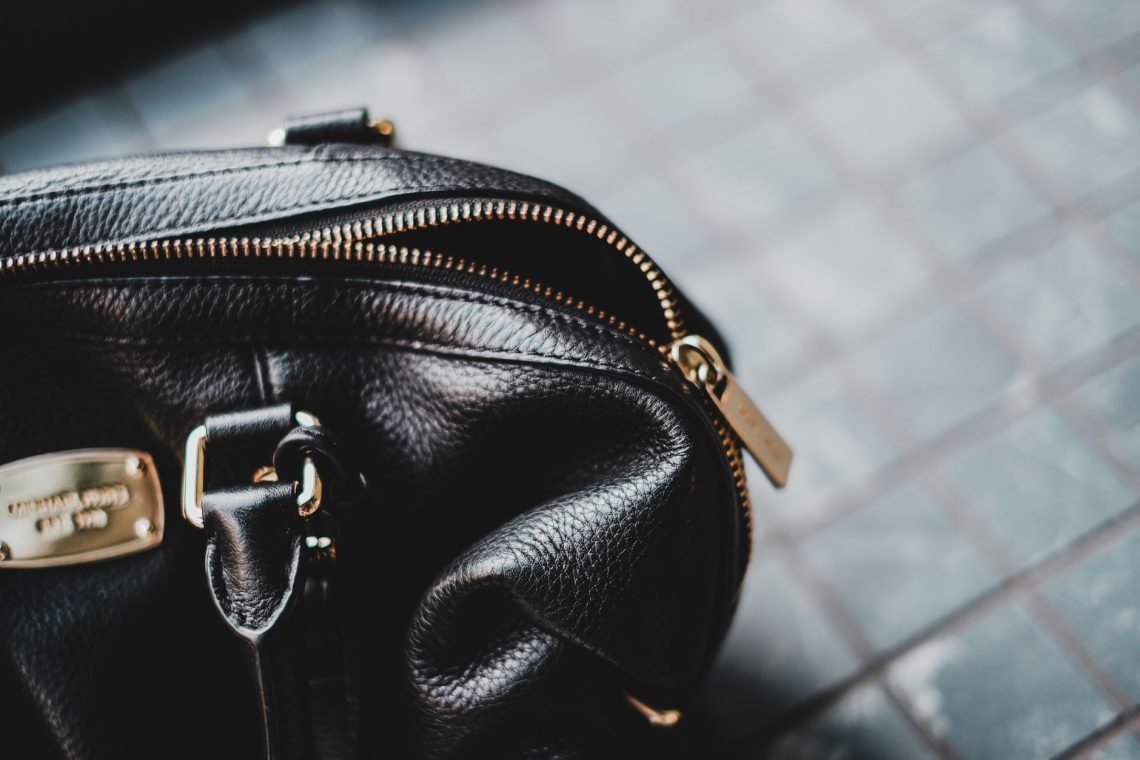
The first pale patch on a leather bag often appears at a corner: a small, dull crescent that catches the light as you lift it from a chair. It can make an otherwise lovely bag look tired, especially when the rest of the leather still has a rich colour. Corners meet coat seams, desks, doorways and the ground, so they deserve a little attention before that rubbing becomes obvious.
Good care is mostly about ordinary habits. Keeping the bag away from rough surfaces, dealing gently with rain and storing it with its shape supported can all help. There is no need to turn a favourite everyday accessory into something too precious to carry. The aim is to enjoy it while reducing avoidable wear.
Work out what kind of leather you have
Before applying anything, check the maker’s care label or any information supplied with the bag. Smooth finished leather, soft uncoated leather, suede and patent leather do not all respond to the same treatment. A cream intended for a smooth leather handbag may leave suede with a dark, flattened patch, while a waxy product can change the appearance of a delicate surface.
If you cannot identify the finish, keep your first steps simple: remove loose dust gently and avoid experimenting with liquids. Ask the maker or a leather repair specialist for advice before using a conditioner, protector or colour treatment. Descriptions such as genuine leather do not tell you everything you need to know about its finish.
Whenever a suitable care product is recommended, test it on a discreet area first. Use a tiny amount and let it dry fully before judging the result. Look for changes in colour, shine and feel, rather than assuming that an invisible patch while wet will stay invisible.
Understand why the corners look lighter
A pale corner is not always a sign that the whole bag needs conditioning. It may be surface dust, a scuff or wear to the coloured finish. Repeated friction can alter the surface, and a conditioning cream cannot be relied upon to replace missing colour. Adding more product may simply leave residue around the worn area.
Inspect the corner in daylight without scraping or rubbing it. If loose dirt comes away with a soft, dry cloth, reassess before doing anything else. If the finish looks broken, the edge coating is lifting or the leather feels rough and exposed, a repair specialist is a better next step than repeated home treatments.
Reduce rubbing during everyday use
Notice where your bag rests during a normal day. A rough brick wall beside a café table, the floor beneath a desk or the edge of a crowded shelf can repeatedly catch the same corner. Choose a clean, smooth place where possible. Metal feet can help on some designs, but they do not keep every part of a slouchy bag clear of a surface.
How you carry it matters too. Adjust a shoulder strap so the bag sits comfortably rather than constantly knocking against a belt buckle or rubbing a prominent coat fastening. Be aware of colour transfer when pale leather sits against dark denim, particularly if either is damp. Check contact areas occasionally instead of scrubbing at them after every outing.
- Keep keys, uncovered pens and cosmetics inside suitable pouches.
- Avoid filling the bag until its corners bulge or the fastening strains.
- Lift it clear of a surface rather than dragging it towards you.
- Let hand cream absorb before handling the straps and body.
These small adjustments also make the bag easier to organise. You should be able to find your purse without pulling hard at the opening or stretching the sides around everything you carry.
Give it a gentle clean
Empty the bag and check the corners, seams and base for loose grit. Use a soft, clean cloth to lift away surface dust. For suede, follow the maker’s guidance on an appropriate suede brush instead. Work lightly; vigorous polishing is not a shortcut to restoring colour.
If the instructions for your particular smooth leather allow a slightly damp cloth, use very little water and avoid soaking the seams. For marks that need more attention, use only a cleaner suitable for that finish, following its directions. Apply products to the cloth when instructed, rather than pouring them straight onto the bag.
Household cleaning sprays, washing-up liquid, alcohol wipes and nail varnish remover are poor choices for an uncertain leather finish. Baby wipes are not a universal leather cleaner either. A stubborn mark is a reason to pause and seek advice, especially on pale or absorbent leather.
Handle rain without rushing the drying
If rain catches you out, blot droplets gently with a clean, soft cloth when you get indoors. Do not rub hard at a wet corner. Empty the bag if moisture has reached the inside, then leave it to dry naturally in an airy room, away from a radiator, hairdryer or direct sunlight.
Support its shape loosely with clean, unprinted paper if needed, taking care not to stretch it. Replace any stuffing that becomes damp. Avoid newspaper, which may transfer ink, and do not close a wet bag inside its dust bag or a cupboard. Allow it to dry fully before deciding whether it needs further care.
A leather protector may be appropriate for some finishes, but it should be chosen according to the maker’s advice and tested first. It does not make a bag waterproof. On a day of persistent rain, choosing a different bag is often the easiest way to spare a favourite leather one a soaking.
Condition carefully, rather than by habit
Some smooth leather bags benefit from a suitable conditioner; others have finishes that need different care. Follow the maker’s instructions rather than adopting a fixed weekly routine. More is not necessarily better, and a bag should not feel greasy after treatment.
Where conditioning is appropriate, apply a small amount as directed, let it settle and remove any excess according to the product instructions. Pay attention to seams and folds where cream can collect. Do not keep adding layers to a pale corner in the hope of disguising it.
Avoid borrowing shoe polish or a coloured cream simply because the shade looks close. Colour, sheen and transfer can all be difficult to judge, especially around stitching. If a corner needs its finish restored, ask a specialist whether a local repair is suitable and what difference in appearance to expect.
Store it with breathing room
Before putting a bag away, empty it, check that it is dry and remove anything that could leak. Lightly fill the body with clean, unprinted paper or a soft, colourfast fabric to support its shape. The stuffing should hold the sides comfortably, without forcing out the corners.
Use the dust bag supplied, or a clean, breathable fabric cover, and store the bag somewhere dry and away from direct sunlight. Leave room around it so another bag’s hardware cannot press into the leather. Avoid piling heavy items on top or leaving straps folded sharply beneath the base.
For longer storage, a supported shelf position usually makes more sense than hanging a heavy bag from its handles. Check it occasionally for dampness, pressure marks or a shifting shape. When it returns to everyday use, a quick look at the corners and a gentle dusting are useful starting points. Consistent, light care gives you a chance to notice wear early, while the bag remains part of your wardrobe.