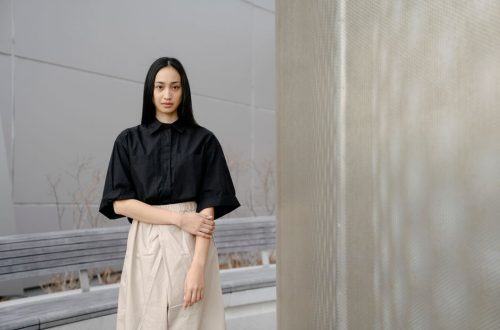
A late-summer shoe capsule should cover the places you regularly go, not every attractive footwear trend. Start by listing a normal week: commuting, errands, meals out and any event that needs a different level of formality. Choose pairs with distinct jobs, then check that each works with more than one outfit.
For late summer 2026, the aim is a small, useful selection that works with the clothes you already enjoy. Warm afternoons, cooler mornings and an unexpected shower can all feature in the same week. Your capsule needs enough flexibility for those changes without becoming a collection of shoes kept for unlikely occasions.
Assign each pair a role
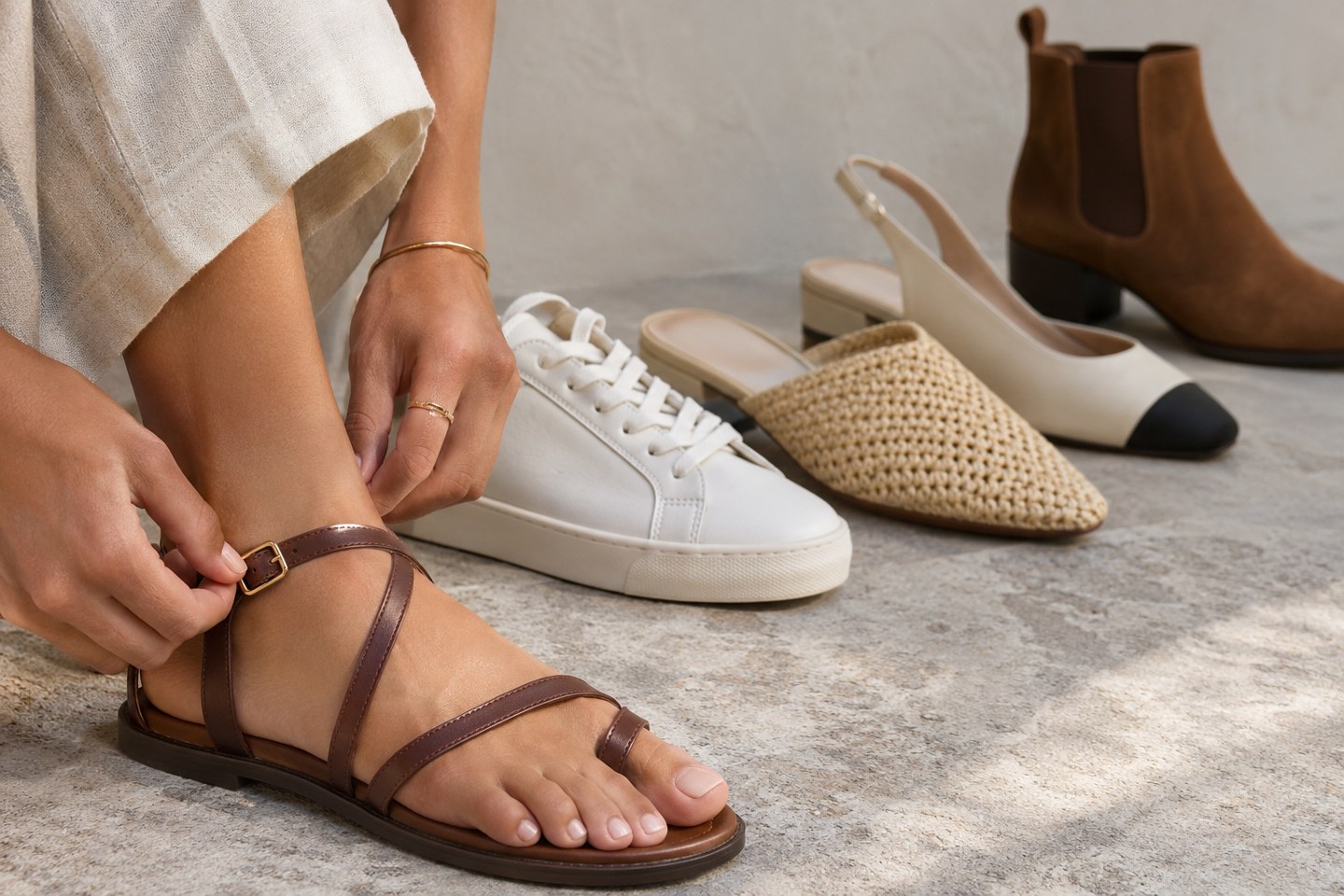
A simple starting point is an everyday trainer, an open shoe for suitable weather and a more polished flat or loafer. These are roles rather than a compulsory three-pair shopping list. If you cannot wear open shoes at work, or your usual route is wet, change the selection accordingly.
Be specific about what each role involves. An everyday pair might need to handle the walk to the station, a casual office and a lunchtime errand. Your open shoe might be reserved for dry weekends and relaxed dinners. A polished flat could cover meetings and evenings when you want a neater finish without a heel.
Keep an existing pair when it already does a job well. A capsule is not more useful because every item is new. Inspect soles, fastenings and lining before deciding that a replacement is needed. Try cleaning a tired-looking pair according to its care instructions, then reassess it alongside your outfits.
- Everyday trainer: choose a shape and finish that suit your usual casual clothes, with comfort appropriate to your normal walking.
- Open shoe: consider how securely it stays on your foot and whether it suits the surfaces you regularly cross.
- Polished flat or loafer: look for a pair that works with both your smartest daytime outfit and a relaxed evening option.
If two pairs seem essential, explain their different jobs. A lightweight trainer and a sturdier closed shoe may both earn space if your week includes different settings. Two similar loafers that work with exactly the same trousers are more likely to be alternatives than separate capsule essentials.
Try the shoes with real outfits
Lay out the trousers, skirts or dresses you repeat most often. Try each proposed pair with at least three of them. Look at trouser hems, the visual weight of the shoe and whether the combination suits the day’s setting. A shoe that only works with an outfit you never wear may not deserve a capsule slot.
Build complete outfits rather than judging shoes beside a pile of clothes. Add your usual top, bag and any layer you will carry. A loafer that seems heavy next to a delicate dress may feel balanced once you add a structured jacket. Equally, a sandal you like with bare legs may not work with the full-length trousers you wear most days.
Check hems and proportions
With wide-leg trousers, make sure the hem clears the ground while you walk. A pair that looks right with a raised sole may drag when switched to a flatter shoe. With cropped trousers, check whether the amount of ankle showing feels intentional, especially if you plan to add socks on cooler mornings.
For skirts and dresses, compare the whole silhouette. A substantial trainer can give a simple midi dress a casual feel; a less bulky flat may suit a softer, quieter outfit. Neither is a rule to follow automatically. Use the clothes you actually wear to decide which balance feels comfortable and looks like you.
Photograph combinations from the same height and in similar light. This makes proportion easier to compare than relying on a close-up mirror view. Check both standing and walking, particularly with long hems. Save the successful combinations together so getting dressed does not require repeating the experiment every morning.
Fit comes before versatility
Try footwear with the socks or hosiery you plan to use. Check heel movement, toe space and pressure across the upper. Walk indoors on a clean surface while the item is returnable. Do not treat rubbing as proof that the shoe simply needs more wear.
Fasten sandals as you would for a normal day, rather than leaving straps unusually loose for a quick try-on. Check that your foot sits within the sole and that your toes do not have to grip to keep the shoe in place. With loafers and flats, notice whether the heel lifts repeatedly or the edge presses into your foot as you move.
Try standing, turning and sitting as well as walking in a straight line. If a pair only feels comfortable when you are perfectly still, its outfit potential will not make it useful. Avoid buying a poor fit on the assumption that a thicker sock or an extra insert will solve every problem.
Different activities need different footwear. A fashion trainer is not automatically a running shoe, and a delicate sandal is not a substitute for protective footwear. Keep specialist shoes outside the everyday capsule when the activity requires them. You do not need to force exercise, work requirements and everyday styling into the same small selection.
Plan for changes in weather
Think about your actual route as well as the forecast. Open shoes may be pleasant for a dry lunch outdoors but less useful for a long commute when rain is possible. Keep a closed option ready to wear with the same outfit, so changing shoes does not mean starting again with your clothes.
A practical late-summer combination might be straight-leg trousers, a light shirt and trainers for travelling, with loafers for a smarter setting if carrying a second pair is manageable. On a dry day, a cotton dress and secure sandals may cover your plans without a change. The useful choice depends on your day, not on filling every suggested category.
If you expect to wear socks as the weather cools, include them in your outfit checks now. Consider their colour, thickness and how they sit above the shoe. This can help a familiar trainer or loafer work across more of the season, provided the fit remains comfortable.
Choose colour and care deliberately
A colour repeated in your wardrobe is more useful than a neutral you never like wearing. A dark pair can ground stronger outfits; a lighter pair can work with summer trousers. Two almost identical pairs should have a practical reason to coexist.
Look at your most-worn clothes before choosing a shade. If you regularly wear navy, cream and tan, try footwear alongside those colours rather than assuming black is the only versatile option. If bright shoes are already part of your style, they can earn a capsule place too. Repeat an outfit with them and check that you like the result without needing extra purchases.
Follow the manufacturer’s cleaning instructions and let footwear dry appropriately between wears. Different materials need different care, so check before applying a cleaner or protector. Remove loose dirt promptly where appropriate, and avoid putting damp shoes away in a closed cupboard or drying them with direct heat unless the care guidance permits it.
Check fastenings and keep a suitable repair in mind before discarding a favourite pair. A repairer can advise whether worn heels, soles or stitching can be addressed. At the end of the season, record which shoes were actually worn and why others stayed in the cupboard. Note whether the obstacle was fit, weather or a lack of matching outfits. That evidence is a better starting point for next year than a larger shopping list.