Seoul sits at roughly the same latitude as San Francisco, Athens, and Tokyo, yet its winter temperatures frequently plummet to levels that rival Moscow or Ottawa. This meteorological anomaly is driven by the Siberian High, a massive semi-permanent system of high pressure that funnels bone-chilling, dry air directly across the Korean peninsula. When the wind picks up along the Han River, the perceived temperature can easily drop to -20 degrees Celsius (-4 Fahrenheit), making the choice of outerwear a matter of survival rather than just aesthetic preference. In South Korea, the winter jacket is not merely a seasonal accessory; it is a highly engineered piece of equipment that residents spend months researching before the first frost hits in November.
Why Korea’s Siberian High Requires Specialized Winter Outerwear
To understand what makes the best winter jacket for Korea, one must first grasp the concept of Samhan Saon. This traditional Korean term describes a weather pattern of three cold days followed by four warmer days. However, recent climate shifts have made this cycle increasingly unpredictable, often leading to prolonged stretches of extreme dry cold. Unlike the damp cold of London or the snowy slush of New York, Korean winters are notoriously arid. This dryness means that wind chill is the primary antagonist. A jacket that lacks a robust windproof membrane will feel like paper against the Siberian gusts that whip through Seoul’s skyscraper canyons.
Thermal insulation in this region relies heavily on high-fill-power down. While synthetic insulation has made strides, the sheer weight-to-warmth ratio of goose down remains the gold standard for navigating the Seoul Metro system without overheating while staying protected above ground. Most premium Korean jackets utilize a minimum of 700 to 800 fill power. This ensures that the garment can trap a significant volume of air, which is the actual insulating medium. Furthermore, the exterior fabric must be treated with a Durable Water Repellent (DWR) coating. Even though Korea doesn’t see constant rain in winter, the occasional heavy snowfall or freezing sleet can compromise down insulation if the outer shell allows moisture to seep through.
The wind chill in districts like Gangnam or Yeouido can be significantly harsher than official weather reports suggest due to the venturi effect created by high-rise buildings. This makes a windproof shell just as important as the down filling itself.
Another factor is the transition between extreme outdoor cold and the intense heat of indoor spaces. Korea’s ondol (underfloor heating) and powerful public transport heaters mean you will be moving between -15°C and +22°C multiple times a day. The best jackets for this environment often feature internal carry straps or highly breathable linings that prevent sweat accumulation, which can lead to rapid cooling once you step back outside. This thermal management is a hallmark of high-end Korean brands that have spent decades refining their designs for the local urban commuter.
The Cultural Evolution of Long Padding vs Short Padding in Seoul

For several years, the “Long Padding” (bench coat) was the undisputed uniform of the Korean winter. These floor-length down coats, often referred to as “Gimbap coats” due to their cylindrical black appearance, were originally designed for athletes sitting on sidelines. However, they became a social phenomenon in Korea, particularly among students and office workers who prioritized full-body warmth. The long padding trend peaked around 2017 and 2018, coinciding with the Pyeongchang Winter Olympics. During this era, brands like Pyeongchang’s official merchandise and high-street labels couldn’t keep them on the shelves. The logic was sound: if you are standing at a bus stop for twenty minutes, protecting your legs from the wind is a necessity, not a luxury.
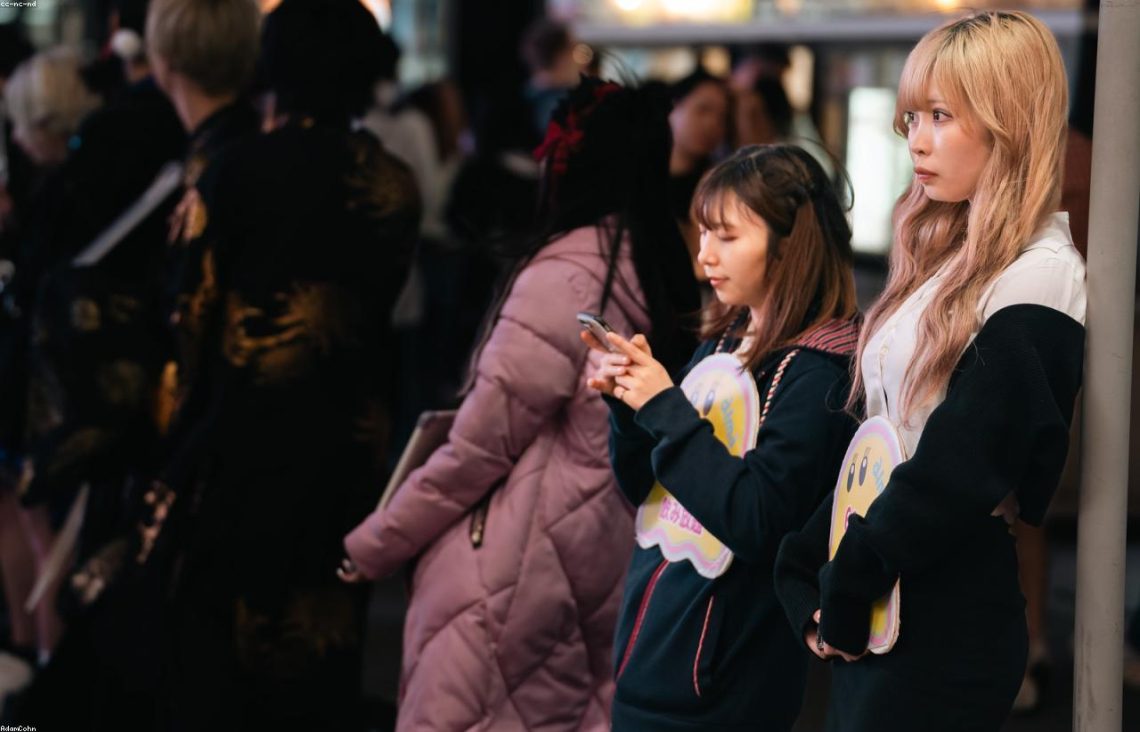
Recently, a distinct shift toward “Short Padding” has emerged, driven by Gen Z fashion preferences and a desire for greater mobility. Short puffers, often hitting just at the waist or upper hip, offer a more versatile silhouette that allows for the layering of wide-leg trousers—a staple of current Korean street style. This shift doesn’t mean the long coat is dead; rather, it has been relegated to a functional tool for the coldest “sub-zero” days, while short jackets dominate the early and late winter months. Brands have responded by making short jackets even puffier, using box-wall construction to maintain high thermal efficiency despite the reduced length.
The choice between long and short padding often comes down to your daily routine. If your commute involves significant walking outdoors, the long padding remains the superior choice for heat retention. If you are primarily moving between a car and a building, or if you prioritize a modern aesthetic that highlights your footwear and trousers, a high-quality short puffer is the current trend-forward selection. Interestingly, many Koreans now own both, treating them as different tools for different temperature thresholds. The long padding is the heavy artillery for the -10°C days, while the short puffer is the daily driver for more moderate winter weather.
Technical Comparison of Leading Korean and Global Down Brands
When searching for the best winter jacket in Korea, several domestic brands consistently outperform global competitors in terms of local climate optimization. Kolon Sport, Black Yak, and Discovery Expedition (which is a Korean-licensed brand distinct from the American media entity) are the three titans of the industry. These brands invest heavily in R&D specifically for the Korean body type and weather patterns. For instance, Korean jackets often feature a slightly narrower shoulder and longer sleeve ratio compared to Western sizing, alongside specialized pockets for heat packs (hot packs) which are ubiquitous in the winter.
| Brand & Model | Approx. Price (KRW) | Core Specs | Pros | Cons |
|---|---|---|---|---|
| Kolon Sport Antarcti | 850,000 – 950,000 | 800 FP Goose Down, Gore-Tex Shell | Extreme warmth, professional build quality | Heavy, very expensive |
| Black Yak Himalayan | 600,000 – 750,000 | RDS Certified Down, Windstopper Tech | Excellent wind resistance, durable | Aggressive “outdoor” aesthetic |
| The North Face White Label Nuptse | 350,000 – 450,000 | 700 FP Down, Eco-friendly fabrics | High resale value, iconic style | Lacks length for extreme cold |
| Discovery Expedition Lester G | 400,000 – 550,000 | Heat-retention lining, Goose Down | Perfect urban balance, stylish | Not suitable for actual mountaineering |
The Kolon Sport Antarcti is widely considered the pinnacle of Korean winter gear. It was originally developed for researchers at the King Sejong Station in Antarctica, and that DNA is evident in its construction. It uses a Gore-Tex outer shell that is entirely waterproof and windproof, paired with premium goose down. If you are someone who feels the cold intensely, this is the definitive answer. On the other hand, The North Face White Label is a Korea-exclusive sub-brand that focuses on “lifestyle” versions of classic gear. Their Nuptse jackets are ubiquitous in Hongdae and Seongsu-dong. While they are stylish and warm enough for a standard Seoul day, they lack the technical depth of a Black Yak or Kolon Sport piece when the temperature drops into the danger zone.
Black Yak deserves special mention for its technical innovation. Their Himalayan series is often used by actual climbers, but they have successfully pivoted to “BCC” (Blackyak Climbing Crew) lines that look right at home in a city setting. Their use of Yak hair blended with down in some experimental models provides unique moisture-wicking properties that pure down occasionally lacks. Meanwhile, Discovery Expedition and National Geographic (both Korean-operated apparel licenses) have mastered the middle-market. They offer jackets that look incredibly high-end with sleek branding and reliable goose-down fill, making them the most common sight on the Seoul Metro. They are the practical choice for someone who wants 90% of the performance of a professional mountaineering jacket at 60% of the price.
Essential Material Specs and Sizing Logistics for Korean Winter Gear


Buying a winter jacket in Korea requires a keen eye for technical labels. One of the first things to check is the RDS (Responsible Down Standard) certification. Most reputable Korean brands now adhere to this, ensuring that the down is sourced ethically. Beyond ethics, look for the ratio of down to feathers. A 90:10 ratio (90% down, 10% feathers) is the hallmark of a premium jacket. Cheaper options will use an 80:20 or 70:30 ratio. Feathers are necessary to provide structure to the baffles, but too many feathers will result in a heavier jacket that doesn’t loft as well, reducing its ability to trap heat.
Understanding Korean Sizing Systems
Sizing in Korea can be confusing for those accustomed to US or EU scales. Instead of S/M/L, many brands use a numerical system based on chest circumference in centimeters. A “100” is generally equivalent to a US Medium, while a “105” is a Large, and a “110” is an XL. However, because winter jackets are designed to be worn over layers like heat-tech and thick sweaters, the “cut” is often more generous than a summer t-shirt. If you are between sizes, it is almost always better to size up in Korea. A jacket that is too tight will compress the down, effectively destroying its insulating properties. You need that layer of dead air between your body and the jacket to stay warm.
Materials also play a huge role in the longevity of the garment. Look for “Ripstop” nylon if you plan on wearing the jacket in crowded areas; the high-density weave prevents small snags from turning into massive tears. Additionally, pay attention to the neck lining. The best Korean jackets often feature a soft “tricot” or faux-fur lining around the collar. This prevents the cold zipper from touching your skin and provides a seal that keeps warm air from escaping through the top of the jacket—a small detail that makes a massive difference when you’re walking against the wind.
Finally, consider the “Heat Storage” linings that many Korean brands like K2 or Eider advertise. These are often silver-patterned thermal reflective linings (similar to Columbia’s Omni-Heat) designed to reflect body heat back toward the skin. While some purists argue that high-quality down doesn’t need this, in the specific context of Korea’s dry, windy cold, every bit of heat retention helps. When shopping, don’t just look at the price tag; look at the fill weight (the actual amount of down in grams, not just the fill power). A jacket with 800 fill power but only 150g of down will be less warm than a 700 fill power jacket with 300g of down. For a true Seoul winter, you want a fill weight of at least 250g to 300g for a short jacket, and significantly more for a long padding coat.