Roughly 50% of recreational runners sustain a training-related injury every single year. Sports medicine researchers have consistently identified three primary contributors: training load, running surface, and equipment. Of those three, equipment is the one most runners either overbuy or get completely wrong.
This isn’t an invitation to spend more. Most of the jogging gear marketed to beginners either duplicates function you already have or addresses problems you won’t encounter until year two of consistent training. The first mistake isn’t buying cheap gear. It’s buying the wrong gear in the wrong order.
The Shoe Problem Nobody Talks About at the Point of Sale
Walk into any major athletic retailer and you’ll find a wall of running shoes organized primarily by color and price. Staff at most general athletic retailers are not trained gait analysts. They will measure your foot, ask if you overpronate, and hand you something in your price range. This process, as documented in sports podiatry literature, catches roughly half of the fit-related problems that actually cause injury.
The most commonly missed issue isn’t arch type. It’s heel-to-toe drop — the height difference in millimeters between the heel cushion and the forefoot cushion. Most traditional running shoes run between 8mm and 12mm drop. Minimalist shoes drop to 0–4mm. Heel drop effectively changes your landing mechanics. A higher drop encourages heel striking; a lower drop shifts impact toward the midfoot or forefoot.
Neither landing pattern is inherently superior. Research on this question is genuinely mixed, and most sports medicine practitioners now take the position that your natural gait — properly supported — is more important than forcing a specific foot strike. What this means practically: if you have spent your whole life in traditional 10–12mm drop shoes, switching abruptly to a 4mm drop shoe in the name of natural running typically produces calf and Achilles injuries within the first month.
The Brooks Ghost 16 ($140) sits at 12mm drop and consistently gets recommended by specialty running stores because it fits the widest range of neutral runners without overcorrecting. ASICS Gel-Nimbus 26 ($160) runs at 10mm drop with higher stack height — better for heavier runners or those logging more than 20 miles per week. The Hoka Clifton 9 ($140), with its distinctive thick midsole, runs at 5mm drop and is well-suited for beginners who land midfoot naturally.
Why Running Shoe Size Differs From Your Regular Size
Most runners should buy running shoes half a size to a full size larger than their dress shoe size. Feet swell during exercise — typically 3–8% in volume over a 30-minute run. A shoe that fits perfectly standing in the store will feel tight at mile three. The standard fitting rule is a thumb-width of space between your longest toe and the end of the shoe when you are standing with laces tied.
That thumb-width is not slop. It is the working space your toes need when your foot flattens under load. Black toenails from repetitive toe-box impact are almost always a sizing problem, not a stride problem.
Specialty Running Stores vs. General Retailers
For a first running shoe purchase, a specialty running store is worth the trip even if you ultimately buy elsewhere. Staff at stores like Fleet Feet or Road Runner Sports are trained to watch you walk and jog on a treadmill, examining pronation, foot width, arch collapse, and stride pattern simultaneously. That assessment typically takes 15 minutes and costs nothing. It is generally more useful than any online quiz or sizing algorithm currently available to consumers.
Once you know your shoe type — neutral, stability, or motion control — and your preferred heel drop range, online purchases are entirely reasonable. But the first fitting should happen in person.
The Gear That Genuinely Changes How You Feel at Mile Three
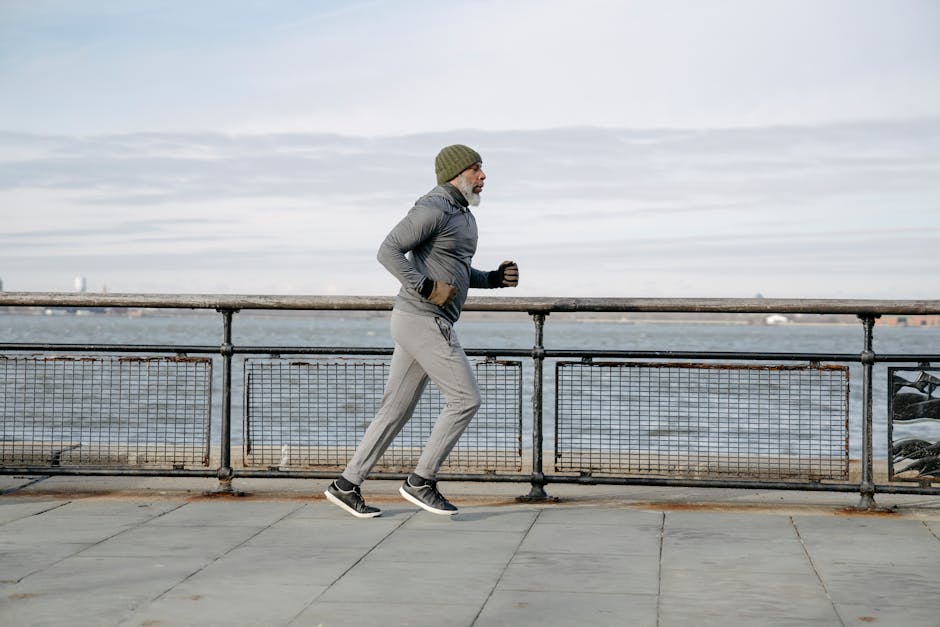
After shoes, most runners underestimate the impact of two things: socks and the construction of their shorts or tights. You can run adequately for years on a $30 shirt. Wrong socks or poorly fitting bottoms can end a run in under two miles through blisters and chafe. Here is a direct comparison across gear categories by practical performance impact:
| Gear Category | Priority Level | Budget Pick | Mid-Range Pick | Key Spec to Check |
|---|---|---|---|---|
| Running Shoes | Essential | Nike Pegasus 41 ($130) | Brooks Ghost 16 ($140) | Correct heel drop, thumb-width toe room |
| Running Socks | Essential | Balega Hidden Comfort ($16/pair) | Darn Tough No Show Tab ($22/pair) | Merino wool or nylon blend, zero cotton |
| Shorts or Tights | High | Adidas Own the Run 7" ($35) | Lululemon Pace Breaker ($68) | Built-in liner, flat seams at inner thigh |
| Running Top | Medium | Nike Dri-FIT Miler Tee ($35) | Lululemon Swiftly Tech Tee ($68) | Polyester or nylon blend, no cotton |
| GPS Watch | Optional | Garmin Forerunner 55 ($180) | Garmin Forerunner 165 ($250) | GPS accuracy, battery life 8+ hours |
| Sports Bra | Essential (women) | Under Armour Infinity ($55) | Brooks Dare Crossback ($65) | Encapsulation style for D+, compression for A–C |
The GPS watch is listed as optional deliberately. A phone in an armband carrier delivers the same pace and distance data. Dedicated GPS watches earn their price through longer battery life, wrist-based heart rate monitoring, and more structured training tools like interval programming and heart rate zone alerts. For someone running two or three times a week for general fitness, those features are a convenience, not a necessity.
The sports bra row is not optional for women. Research published in sports science journals has consistently found that inadequate breast support during running contributes to measurable discomfort and, over time, may cause connective tissue strain that does not reverse. Encapsulation bras — where each cup is structured separately rather than compressed against the chest wall — outperform compression-only styles for cup sizes D and above in controlled running tests.
The Fabric Problem: Why Cotton Fails Runners on a Physics Level
Cotton absorbs moisture and holds it against the body. A cotton t-shirt worn on a 45-minute run typically absorbs 25–30% of its own weight in sweat and keeps that moisture pressed against your skin for the entire run. Wet fabric against moving skin produces friction. Friction at the nipples, underarms, and inner thighs produces abrasion injuries that are disproportionately painful and slow to heal.
Technical fabrics — polyester, nylon, and polypropylene blends — move moisture away from the skin and spread it across a larger surface area for faster evaporation. The Lululemon Swiftly Tech shirt uses a nylon-elastane blend with a tight knit structure specifically engineered for directional wicking. Nike’s Dri-FIT ADV technology, used in their Aeroswift line ($75–$95), adds a secondary moisture-channeling layer that moves sweat toward the back of the garment where evaporation is faster.
Merino Wool: The Underrated Option for Cool-Weather Running
Merino wool wicks moisture almost as effectively as synthetic fabrics, resists odor significantly better, and provides natural temperature regulation between roughly 35°F and 60°F. Icebreaker’s Merino 150 Run Tee ($80) and Smartwool’s Merino Sport 150 Short Sleeve ($70) both perform reliably in this range.
The tradeoff is durability. Merino wool wears out faster than synthetic blends under high-friction conditions. For runners logging more than four sessions per week, synthetic is typically the more cost-effective long-term choice. For lower-volume runners in cooler climates, merino holds up well and rarely requires odor-treatment washes between sessions.
Compression Tights: Performance Tool or Marketing?
Peer-reviewed evidence on compression gear during running is genuinely mixed. Some studies show modest recovery benefits when compression is worn after a run. Evidence for in-run performance improvement is weak. What compression gear reliably does is eliminate the loose-fabric-chafing problem by holding everything flat against the body. Under Armour’s HeatGear Compression Shorts ($40) and 2XU’s Compression Tights ($90) are worth considering for that mechanical reason alone, regardless of what the circulation claims may or may not deliver.
What to Buy First, Second, and Third
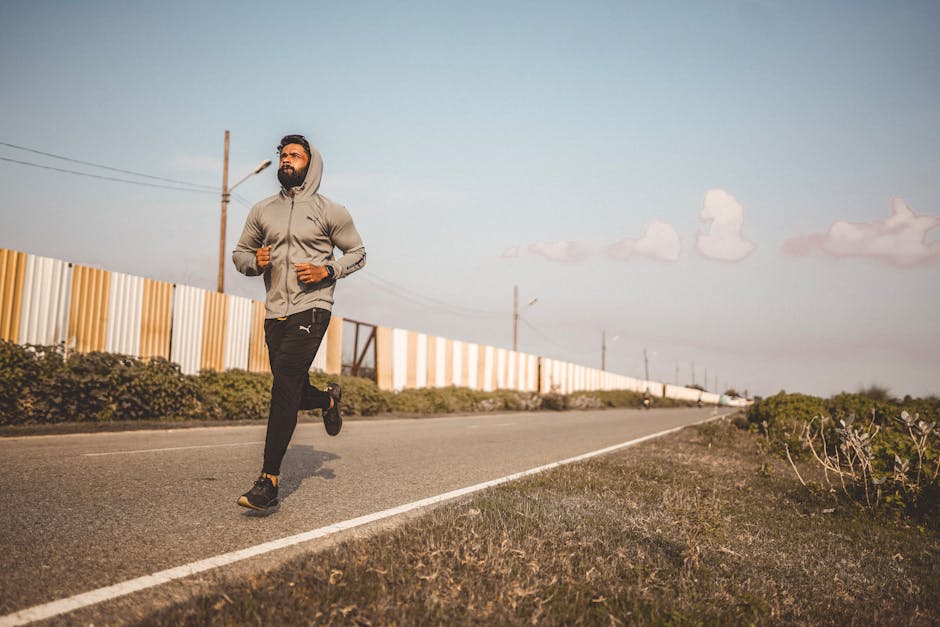
Most gear guides present everything simultaneously. Here is the actual priority sequence for building a functional jogging kit without overspending early:
- Running shoes, properly fitted. The only non-negotiable first purchase. Budget $120–$165. Cross-training shoes and lifestyle sneakers are not substitutes — the cushioning and lateral-support architecture is designed for different movement patterns.
- Running-specific socks. Two to three pairs of merino or synthetic no-show socks. Balega Hidden Comfort ($16/pair) or Swiftwick Aspire Zero ($18/pair) are the most consistently recommended options in the specialty running community. Total cost: $35–$55. Blister prevention is immediate.
- Non-cotton shorts or tights with a built-in liner. If you already own non-cotton athletic shorts, test them on a short run first. Chafe appears quickly if there is a construction problem. Adidas Own the Run 7-inch shorts ($35) or Lululemon Pace Breaker shorts ($68) both use flat-seam construction designed specifically to reduce inner-thigh friction during longer distances.
- A non-cotton top. The Nike Dri-FIT Miler Tee ($35) is a reasonable starting point — it wicks adequately and keeps the upfront cost low. Upgrade to the Lululemon Swiftly Tech once you are confident the running habit will stick.
- GPS tracking. Start with your phone. A Garmin Forerunner 55 ($180) or Forerunner 165 ($250) makes sense once structured training — intervals, heart rate zones, weekly mileage targets — becomes part of the plan.
- Weather-specific layers. A lightweight windbreaker and thermal base layer become practical after running through a full season. Patagonia’s Houdini jacket ($129) and Brooks’ Notch Thermal Hoodie ($110) are reliable mid-market options that pack down small and breathe adequately during moderate effort.
Five Gear Decisions That Consistently Sideline Runners
Keeping shoes past 500 miles. Running shoe midsoles lose cushioning properties well before the upper shows visible wear. The 300–500 mile replacement guideline is reasonably well-supported by biomechanical research. Most GPS platforms — Strava, Garmin Connect, Nike Run Club — include per-shoe mileage tracking. A $140 shoe at 600 miles has been delivering inadequate cushioning for a meaningful portion of that distance.
Relying on arch type alone when buying shoes. Mild overpronation is common and frequently compensated for naturally by the body. Placing a mild overpronator in a heavy motion-control shoe can create new mechanical stress at the knee and hip. Proper gait analysis by a trained professional is the appropriate basis for stability shoe recommendations — not a 30-second retail assessment.
Running outdoors with full noise-isolating headphones. Complete in-ear noise cancellation blocks traffic, cyclists, and warning calls from other runners. Open-ear designs — Shokz OpenRun Pro ($130) or Sony LinkBuds ($180) — allow ambient sound through while still delivering audio. These are the appropriate choice for most outdoor running environments, particularly in urban areas.
Buying compression gear before solving the chafe problem. Compression tights are frequently purchased as a first-line chafe solution, but the issue is often the shorts underneath, not the compression layer. Identifying whether the problem is fabric weight, seam placement, or missing liner before adding a compression layer saves money and avoids stacking gear that may not be needed.
Note: Injury-related information is general in nature and is not a substitute for evaluation by a qualified sports medicine physician or physical therapist.
The Verdict
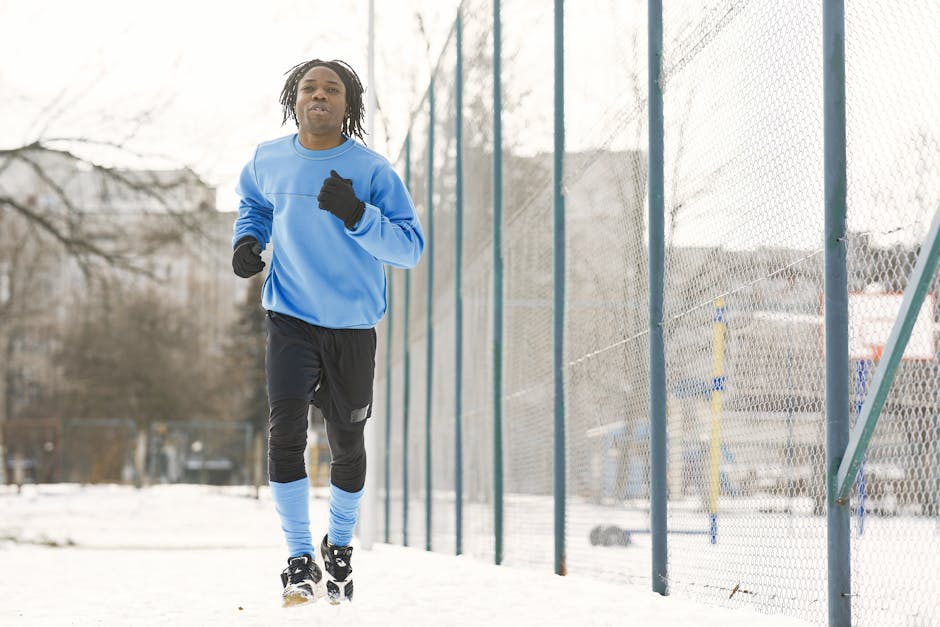
Properly fitted shoes, two pairs of running socks, non-cotton shorts, and a wicking top. Assembled thoughtfully, that kit costs under $250 and handles the first year of recreational running without meaningful gaps.
Running gear is moving toward better personalization tools — 3D foot scanning in retail stores, AI-assisted gait analysis apps, and customized midsole geometry from brands like New Balance and Adidas are already reaching mid-market price points. The gap between functional and optimized gear will likely narrow considerably over the next several years. Fit, fabric, and buying in the right order will remain the decisions that matter most regardless of what the technology delivers.