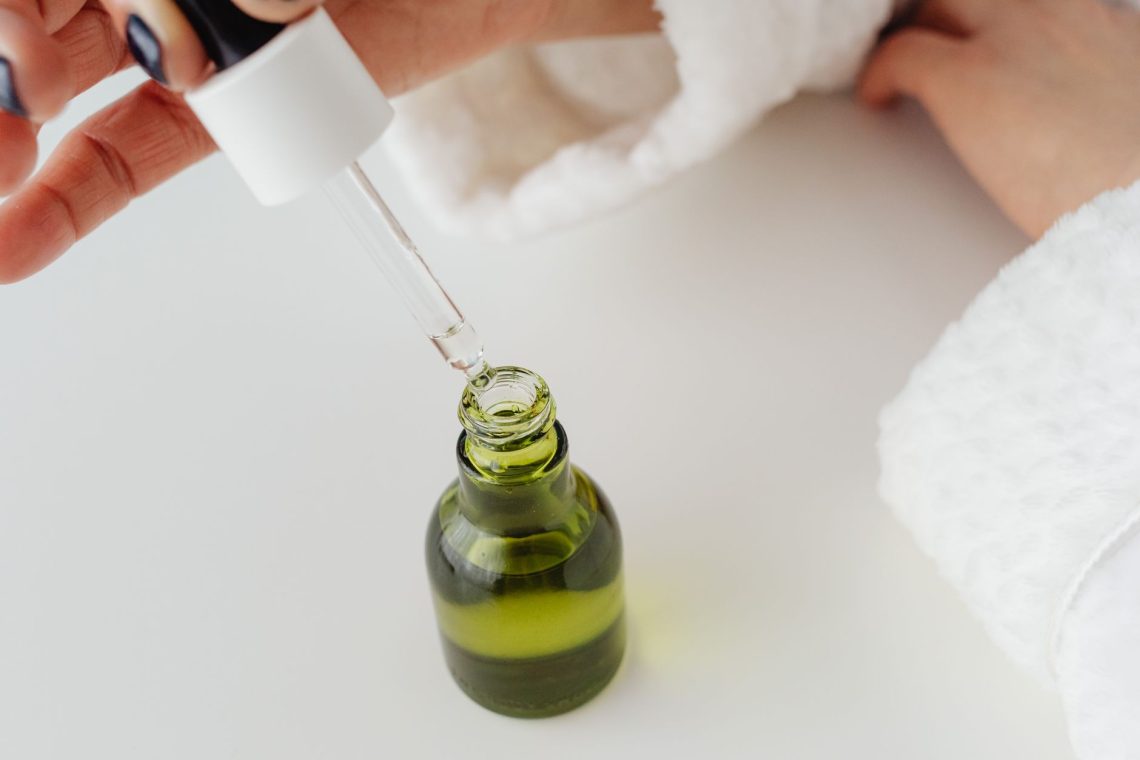
A new serum can make a familiar skincare routine feel full of possibility. The temptation is to use it that evening, add a generous layer and wait for a better-looking complexion by breakfast. A more useful approach is quieter: read the instructions, keep the rest of your routine familiar and give yourself room to notice how your skin feels.
You do not need an elaborate timetable or a shelf full of supporting products. Introducing one serum thoughtfully is mostly about controlling the changes you make. Here is how to approach the patch test, choose a manageable frequency and decide what can sit out for a while.
Start with a settled routine
Choose a time when your skin feels comfortable and your usual products are behaving as expected. If your face already feels sore, unusually tight or irritated, leave the new bottle unopened. Adding another variable makes it harder to work out what suits you.
Think about your diary, too. The night before a wedding, a holiday or an important photograph is an inconvenient moment to experiment. Give yourself some ordinary days when there is no pressure to keep using something simply because you wanted it to work for an occasion.
Before opening the bottle, decide what you want from it in cosmetic terms. Perhaps you want a more comfortable-feeling routine or a less dull-looking finish. A clear aim helps you avoid adding a second serum halfway through because an appealing new launch catches your eye.
Read the directions before planning the layers
Serum describes a product format, not a universal set of instructions. A lightweight hydrating formula and an exfoliating serum may come with quite different directions. Read the packaging for the amount, application order, frequency and any cautions about other products.
Check whether it is intended for morning or evening, whether skin should be dry, and which areas to avoid. Do not assume that advice for your previous bottle applies to this one, even if the headline ingredient sounds familiar. Follow any specific sun-protection instructions and keep your usual daytime sunscreen in place.
If the directions are missing or unclear, keep the product aside until you can obtain them from its maker or retailer. Guessing from the texture, or copying a routine built around a different formula, is a poor starting point.
Treat the patch test as a separate step
A home patch test means trying the product on a small area before applying it more widely. It is a preliminary check, not a guarantee that your whole face will tolerate repeated use. It also does not tell you whether the serum will deliver the cosmetic finish you want.
Use the manufacturer’s patch-testing directions where provided, including the location, amount, repeat applications and observation period. Keep the test area free from other new products so you can make sense of anything you notice. Do not test on broken or already irritated skin.
A useful way to keep the process organised is to:
- Read the patch-test instructions all the way through before starting.
- Use only the stated amount on the suggested small area.
- Note when you applied it and whether you notice any changes.
- Complete the instructed observation period before considering wider use.
If the product causes discomfort or visible irritation during this step, stop using it. Do not move straight to your face to see whether the result is different. A bottle can be unsuitable for your routine even when it was expensive, highly recommended or a gift.
Make the first full application uncomplicated
Once you have completed the preliminary check without an unwanted response, choose a simple routine for the first wider application. Use your familiar cleanser, apply the serum as directed and follow with your usual moisturiser if that fits the instructions. In the morning, include your usual sunscreen.
Measure by the label rather than by enthusiasm. Extra drops are not a shortcut, and a thick layer makes it harder to judge whether the intended amount feels comfortable. Keep the product away from areas the instructions exclude, including the eye area where specified.
Avoid mixing it into another product in your palm unless the directions explicitly allow this. Applying it as instructed gives you a clearer sense of its texture, finish and place in your routine. Let the layers settle without rubbing repeatedly to force them in.
Choose a frequency you can observe
Do not treat the maximum frequency on the label as a target you must reach immediately. Where the directions allow occasional use, begin with a spaced application and leave some familiar-routine days between uses. Never exceed the stated frequency or improvise around more specific instructions.
Notice how your skin feels later that day and on the days that follow. A comfortable first application is useful information, but it is not a reason to jump straight into using the serum at every opportunity. Repeat the same modest routine before changing the schedule.
If you decide to use it more often, change frequency alone. Keep the amount and accompanying products consistent. There is no prize for daily use: an occasional place in your routine may be the most practical fit, provided it follows the product’s directions.
Pause the optional extras
The easiest things to set aside are other new products. Keep the unopened mask, replacement toner and second serum for another time. Otherwise, if your skin feels different, you will have several possible explanations and very little useful information.
Review optional exfoliating products, scrubs, peels and intensive masks, particularly when the new serum itself is intended to exfoliate. Check the directions for combinations to avoid. Temporarily simplifying these steps gives the new addition a less crowded introduction; it does not mean every combination is automatically unsuitable.
Keep familiar basics that you already find comfortable. This is not the moment to replace your cleanser and moisturiser just to match the branding on the serum bottle. If a product forms part of professional advice or prescribed care, do not change that routine to accommodate a cosmetic purchase; check with the relevant professional first.
Distinguish an awkward finish from discomfort
Some problems are about how products sit together. If the layers roll into little flakes, review the recommended amount and order. Try fewer optional layers on another occasion rather than adding more serum. A sticky finish may simply be something you dislike wearing, which is a valid reason to reconsider it.
Burning, itching, soreness or visible irritation should not become a challenge to push through. Stop the new product and keep your routine simple with familiar products you find comfortable. Do not cover the problem with another new serum or increase exfoliation to make the surface look smoother.
Avoid deciding that every unwelcome change is an expected adjustment. You do not need to diagnose the cause to stop using a cosmetic that feels wrong. Seek appropriate professional advice if a reaction is concerning or does not settle.
Keep notes, then make a calm decision
A brief phone note is enough: application date, amount, other products used and anything you noticed. Include practical details such as whether it sat comfortably under make-up or felt too heavy beneath sunscreen. You are assessing how it fits your life as well as how your skin looks.
Keep the schedule steady while you decide. If the serum feels comfortable and earns its place, continue within its directions. If it adds fuss without a finish you enjoy, you can leave it out. A sensible skincare routine has room for considered additions, and just as much room for deciding that your familiar basics are enough.