A capsule wardrobe does not mean owning 30 plain beige basics and wearing the same outfit every day. The useful version is smaller and more practical: a fixed group of clothes that work together, suit your real week, and survive more than one season. The goal is not minimalism for its own sake. The goal is fewer dead-end pieces and more outfits you can wear without a long decision process.
This 30-piece plan includes clothing only. Shoes, bags, jewelry, underwear, sleepwear, workout gear, and weather-specific accessories sit outside the count. That rule keeps the system realistic. A person who walks to work in January needs different outerwear from someone who works at home in a warm climate.
What a 30-Piece Capsule Wardrobe Actually Solves
The real problem is outfit friction
Most overflowing closets do not fail because they contain too few clothes. They fail because the clothes do not connect. A patterned blouse needs a certain trouser, a delicate sweater works with one skirt, and a jacket looks right only with a particular shoe. Each item may look attractive alone, yet the full closet creates extra work.
A 30-piece capsule reduces that friction by giving every item a job. A shirt should work with at least three bottoms. A jacket should cover several outfit types. A pair of trousers should move from errands to dinner with a change of shoes or accessories. This turns dressing into a small set of reliable combinations instead of a daily sorting task.
Why the number thirty works
Thirty pieces offer enough variety for a normal workweek while keeping repetition visible. The number also exposes weak purchases. If you cannot place an item into at least three outfits, it probably belongs in a separate occasion wardrobe rather than the core capsule.
The best capsule is not the one with the fewest pieces. It is the one where the most-used pieces earn their closet space. A neutral jacket worn twice a week has more value than an unusual top worn once, even if both cost the same.
Set Your Wardrobe Rules Before You Shop
Start with your actual weekly life
Write down what you do during a normal seven-day period. Count office days, commuting, school runs, social plans, exercise, formal events, and time spent at home. Then identify the two situations that require the most clothing. Those situations should shape the capsule.
- Choose one main dress code, such as polished casual, relaxed office, or creative professional.
- Pick two base colors. Black and cream create a sharper wardrobe; navy and camel feel softer; brown and ivory suit warm color palettes.
- Add two accent colors that appear in tops, knitwear, or accessories.
- Set a fit rule. For example, pair one relaxed item with one structured item so outfits do not look shapeless.
- Reserve at least three pieces for weather changes instead of spending the full count on warm-weather clothing.
Use a three-outfit test
Before buying anything, build three complete outfits around the item in your head. Name the top, bottom, shoe, and layer. If the piece needs a special bra, special weather, or a future purchase to work, treat that as a warning.
Color matching matters, but fabric weight matters too. A thin summer shirt may technically match a heavy winter skirt while still looking wrong. Group light, medium, and heavy fabrics so outfits feel intentional across the year.
Use This 30-Piece Formula
The exact count
The following formula gives a balanced starting point for a polished-casual wardrobe. It favors repeatable separates instead of one-use statement clothing.
| Category | Pieces | What to include |
|---|---|---|
| T-shirts and casual tops | 5 | Two neutral tees, one long-sleeve top, one striped or textured top, and one accent color |
| Blouses and polished shirts | 4 | Two versatile shirts, one dressier blouse, and one seasonal fabric such as linen |
| Knitwear | 4 | Two lightweight sweaters, one cardigan, and one warmer knit |
| Bottoms | 7 | Two jeans, two tailored trousers, one casual trouser, one skirt, and one flexible bottom |
| Dresses or jumpsuits | 2 | One everyday option and one dressier option |
| Blazers and light layers | 4 | One blazer, one overshirt, one denim or utility layer, and one cardigan-style jacket |
| Coats and outerwear | 2 | One weatherproof layer and one polished coat |
| Shoes | 2 | One everyday walking pair and one dressier pair |
| Total | 30 | A complete clothing and shoe rotation |
Adjust the formula without breaking it
Keep the total at 30, but move pieces between categories when your life calls for it. Someone in a formal office may need six polished shirts and only three casual tops. Someone in a hot climate can replace the warm knit with another breathable shirt. Someone in a rainy city should keep two outerwear pieces and reduce the dress count.
Do not remove all structure from the wardrobe. Even a casual capsule needs at least one polished layer, one outfit for a dinner or event, and one reliable weatherproof option. Those pieces prevent the closet from working only on perfect, low-pressure days.
Build the Capsule in the Right Order
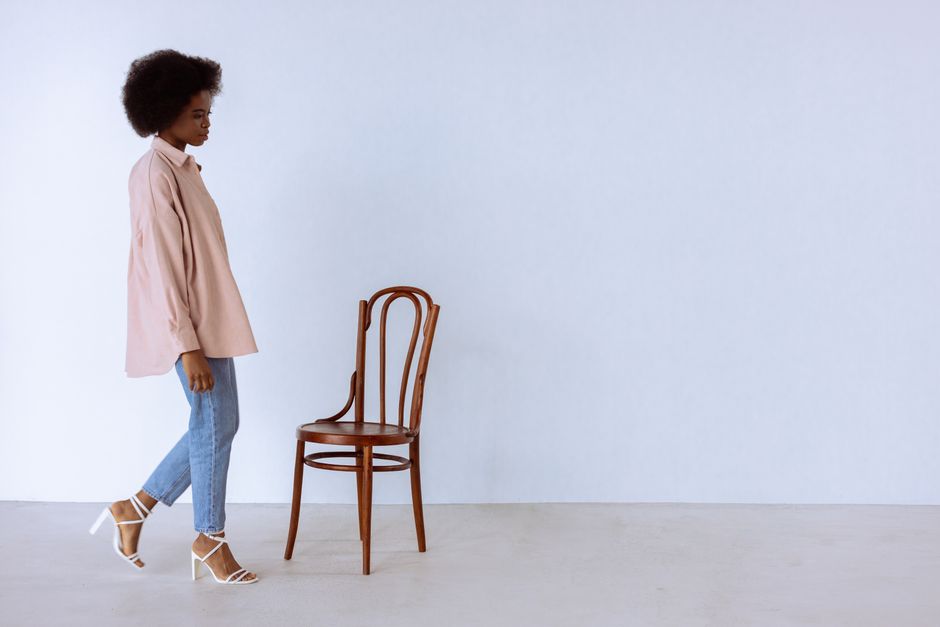
Buy the foundation first
Start with bottoms and shoes, then add tops. This order produces better outfits because bottoms usually have stricter fit and color requirements. Tops are easier to add later once you know which jeans, trousers, and skirts actually earn wear.
- Remove damaged, uncomfortable, and duplicate pieces from the active closet.
- Keep the three bottoms you wear most often and record their colors, rises, lengths, and fabric weights.
- Choose two shoes that cover walking, work, and casual social plans.
- Add a jacket that works with at least four bottoms.
- Fill the top categories around those foundation pieces.
- Finish with one dressier item and one weather-specific layer.
Use a two-week trial before cutting further
Wear the draft capsule for fourteen days. Keep a simple note each time you change clothes. Mark pieces that feel restrictive, wrinkle too quickly, need constant adjusting, or never make the final outfit.
This trial catches a common mistake: building a beautiful capsule for an imaginary lifestyle. A person may own several tailored trousers because they look refined online, then discover that denim and soft knit pants suit their daily routine far better. Keep the pieces that make real mornings easier.
Choose Named Pieces That Earn Their Space
The high-use winners
My strongest budget pick is the Uniqlo Supima Cotton T-Shirt, usually around $20. Its smooth cotton, short sleeves, and broad color range make it a useful base layer under blazers, cardigans, and overshirts. Choose white, navy, or black before buying a bright color.
For denim, the Levi’s 501 Original Jeans, often listed near $79.50, remain the better choice for a capsule than a highly distressed trend fit. The straight leg works with sneakers, loafers, ankle boots, and tucked or untucked tops. Pick one medium wash first because it bridges casual and polished outfits.
Pause before adding another pair of jeans. A second pair should solve a clear problem, such as a darker wash for work or a wider leg for balance with fitted tops.
The Adidas Samba OG, commonly priced around $100, gives a capsule a low-profile everyday shoe with a recognizable shape. It works best when the wardrobe already contains casual trousers, straight jeans, or midi skirts. It is not the right answer for heavy rain or long hikes.
Where spending more makes sense
The COS Relaxed Fit Blazer often sits near $250, but its value comes from structure rather than branding. A blazer with a clean shoulder, a single-breasted front, and enough room for a knit can cover office days, dinners, and travel. Choose charcoal, navy, or dark brown when you want the jacket to work harder than a seasonal color.
For knitwear, the Quince Mongolian Cashmere Crewneck usually costs about $50 to $60. It offers a lighter, softer layer for people who dislike bulky sweaters. Wash cashmere carefully and give it rest days; a low price does not make it immune to pilling or stretching.
Spend more on the pieces that touch your body often or control the shape of an outfit. Save on simple tees, seasonal colors, and experimental silhouettes. The clear winner for a small budget is a well-fitting trouser or jacket, not a fourth novelty top.
Capsule Wardrobe Questions People Get Wrong
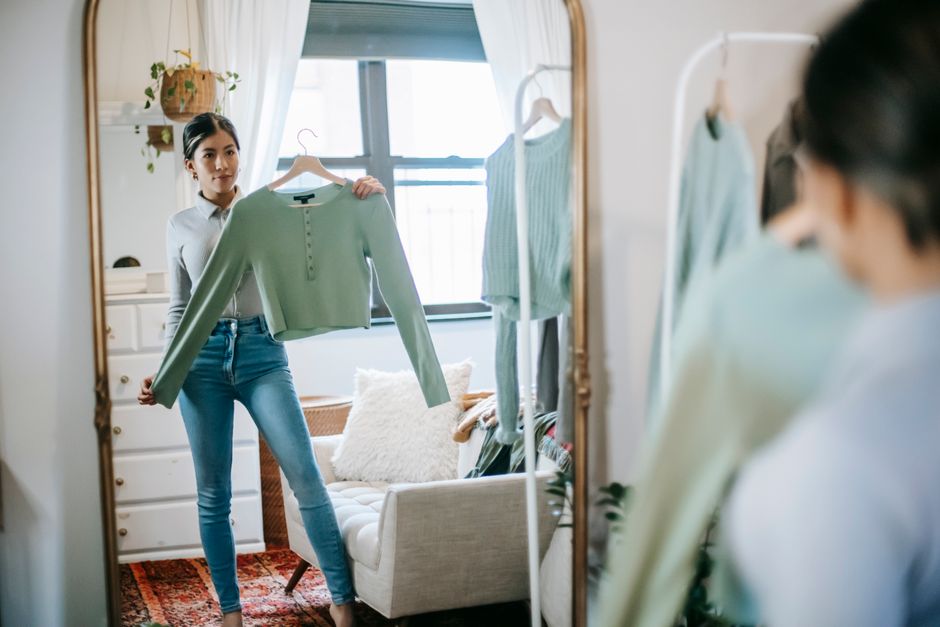
Can every piece match every other piece?
No. That standard creates a bland closet and makes the project harder than it needs to be. Aim for most pieces to work in at least three outfits. Keep one or two expressive pieces that add personality, even if they do not match the entire color system.
Should a capsule contain only neutral colors?
No. Neutral colors provide the connectors, but one or two accents keep the wardrobe from feeling repetitive. A cobalt sweater, red blouse, or olive skirt can work well when the surrounding pieces use restrained colors. The strongest rule is to repeat the accent at least twice so it feels intentional.
What should leave the capsule first?
Remove pieces that cause repeated outfit failure. That includes clothing that wrinkles before lunch, shoes that hurt after twenty minutes, bottoms that require one specific top, and items that only work for a fantasy occasion. Sentimental clothing can stay elsewhere. The active capsule should serve the life you live now.
Do not force seasonal outerwear into a year-round count if your climate changes sharply. Store heavy coats separately and rotate them in when the weather requires them. A capsule system should reduce clutter, not pretend that January and July need the same clothes.
Where the 30 Pieces Win—and Where They Fail
The best use cases
A 30-piece capsule works best for people who want faster mornings, easier packing, and a closet built around repeat outfits. It also suits shoppers who prefer to replace one weak piece at a time instead of buying a full seasonal haul. The biggest gain comes from clearer limits: every new purchase must earn a place by solving a real clothing problem.
The system works less well for people whose jobs require several uniforms, whose hobbies need specialized gear, or whose personal style changes dramatically from week to week. Keep those categories outside the core count rather than pretending one capsule can cover every activity.
The final comparison
| If your priority is | Choose this capsule approach | Why it wins |
|---|---|---|
| Fast weekday dressing | Two base colors, repeatable separates, one polished layer | Most outfits connect without extra planning |
| Frequent travel | Lightweight knits, wrinkle-resistant bottoms, two versatile shoes | More outfits fit in a smaller suitcase |
| Formal office dressing | More shirts and tailored trousers, fewer casual tees | The count matches the dress code |
| Creative personal style | Neutral foundations plus two expressive accent pieces | You keep personality without creating outfit dead ends |
| Highly seasonal weather | Rotate outerwear and heavy knits instead of counting them year-round | The wardrobe stays practical in real temperatures |
The best 30-piece capsule is the one that makes your most common week easier. Start with the clothes you already wear, fill the gaps in a deliberate order, and let comfort and repeat use decide what stays.