
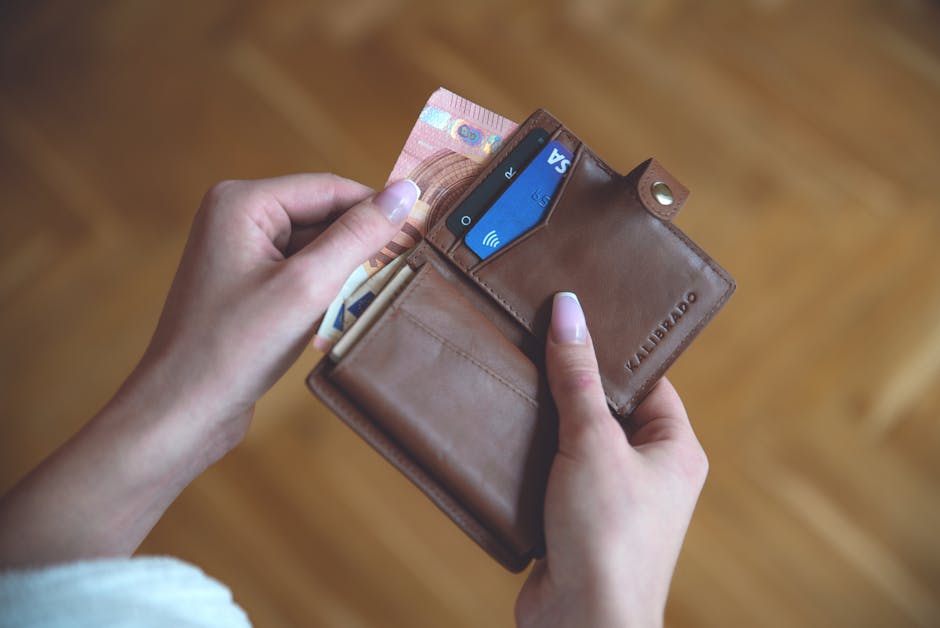
Are you tired of that bulging brick in your pocket or purse, constantly fighting for space, and making a mess of your sleek silhouette? Most people are. We cram cards, cash, receipts, and a random assortment of forgotten bits into a wallet designed for a different era. This isn’t just an inconvenience; it’s a daily friction point. It makes finding the right card a clumsy dance at the checkout, and it certainly doesn’t speak to an organized, intentional lifestyle. The core problem often isn’t what you carry, but how your wallet forces you to carry it. It’s time to ask: why do so many wallets on the market today fall short, and what makes a truly exceptional wallet stand out?
Why Do Most Wallets Feel So Wrong for Daily Use?
The vast majority of wallets sold today, particularly those from conventional Western brands, suffer from a fundamental design flaw: they prioritize capacity over usability, and often aesthetics over practicality. They’re built for a world that no longer exists – one where cash was king and credit cards were few. This mismatch creates several daily frustrations, making your wallet less of a tool and more of a burden.
The Bulky Burden Syndrome
Think about it. Many wallets, especially bifolds or trifolds, start thick even when empty. Add a few cards, some bills, and maybe a stray receipt, and suddenly you have a block of leather that distorts your pants pocket or takes up significant real estate in a small bag. This isn’t just uncomfortable; it can even be bad for your posture if you carry it in a back pocket. The bulk often comes from excessive layering of leather, unnecessary compartments, and a design philosophy that equates more material with higher quality. But true quality, in this context, should mean efficient use of space and a streamlined profile.
We tolerate this bulk because, for years, there wasn’t a better alternative. We simply accepted that a wallet had to be chunky. This acceptance has led many brands to continue producing wallets with generous, often wasted, internal volume. Consider the average men’s bifold, for example. It typically features two main card slots on each side, often layered, along with a full-length cash compartment. Empty, this setup already has significant thickness. Fill it, and the problem only compounds. For women’s wallets, the issue can be even more pronounced with zippered coin pouches and multiple card sleeves expanding an already substantial item.
Card Clutter and Cash Chaos
Another common complaint is the sheer disorganization that many wallets encourage. With too many undifferentiated slots, it’s easy for essential cards to get lost among loyalty cards, gift cards, and old business cards. Digging through a stack of plastic at the grocery store while a queue forms behind you is a universal experience of frustration. Wallets that don’t offer clear, intuitive organization lead to wasted time and unnecessary stress. Furthermore, cash management can be equally chaotic. If a wallet’s cash slot is too tight, too shallow, or lacks proper separation for different denominations, bills can become crumpled or difficult to access. This is especially true for currencies with many denominations, like Japanese Yen, which includes a lot of coins.
The problem is compounded by the fact that many wallet designs assume a uniform size for all cards and a particular style of cash handling. But our daily needs vary. Some days you might carry only two cards and some transit fare; other days, you need a full suite of credit, debit, and ID cards. Wallets that offer no flexibility in their internal architecture often fail to adapt to these fluctuating requirements, forcing us into an all-or-nothing approach that inevitably leads to clutter.
Durability Defaults
Beyond bulk and organization, many mass-produced wallets simply don’t last. Cheap leather, flimsy stitching, and poor hardware are common. Corners fray, card slots stretch out, and zippers fail. This isn’t just annoying; it means you’re replacing your wallet far more often than you should, creating waste and costing more money in the long run. A wallet should be an investment, a reliable companion, not a disposable accessory. The materials used, from the leather to the thread, and the construction techniques employed, all play a critical role in determining how well a wallet will withstand the rigors of daily handling. Many brands cut costs here, using bonded leather or synthetic alternatives that mimic the look of quality leather but lack its resilience and ability to age gracefully.
What Makes Japanese Wallet Design Truly Unique?
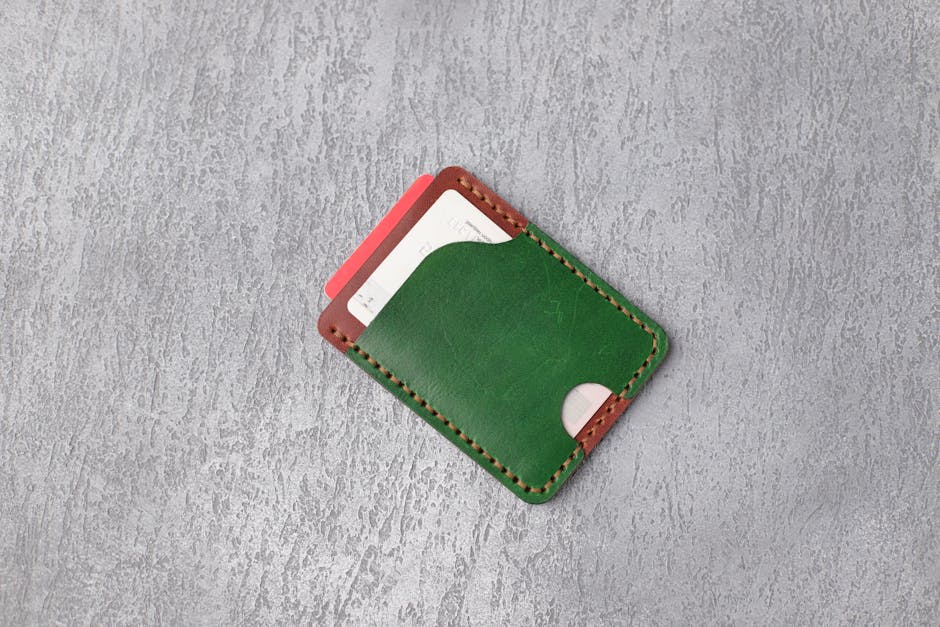
Japanese craftsmanship, in general, is renowned for its meticulous attention to detail, durability, and a profound respect for materials. This philosophy extends beautifully into their wallet designs, setting them apart from many global counterparts. It’s not just about making a wallet; it’s about perfecting a tool for daily living.
- Focus on Form and Function: Japanese designers prioritize practical utility and ergonomic efficiency. Wallets are often designed with a specific number of cards or bills in mind, ensuring a snug fit without wasted space. They embrace minimalism not just as an aesthetic, but as a functional principle. Every stitch, every fold, every pocket serves a clear purpose. You won’t find extraneous embellishments or unnecessary layers that add bulk without adding value. This means a Japanese wallet often feels inherently balanced and comfortable to hold, even when full.
- Mastery of Materials: High-quality leather is . Brands often source premium leathers, like bridle leather or shell cordovan, and treat them with traditional techniques that enhance their durability, feel, and aging properties. The result is a wallet that develops a beautiful patina over time, rather than falling apart. Beyond leather, some brands, like Porter-Yoshida & Co., use highly durable technical fabrics like nylon twill, originally developed for military use, ensuring exceptional longevity and resistance to wear and tear.
- The Art of the Fold: Many Japanese wallets feature innovative folding techniques that maximize storage in a compact form. This might include origami-like internal structures for coins or unique card access mechanisms that keep the profile slim. The precision of these folds, combined with expert stitching, means the wallet maintains its shape and integrity for years. They often design specific pockets for Japanese currency (which includes a lot of coins), demonstrating a deep understanding of local needs that translates into superior functionality globally.
- Attention to Detail: From the polished edges to the perfectly aligned stitching, the finishing on Japanese wallets is typically flawless. These aren’t mass-produced items where small imperfections are overlooked. Rather, each piece often reflects a craftsman’s dedication to perfection, ensuring a refined aesthetic that speaks volumes about its quality. This obsession with detail isn’t just for show; it contributes directly to the wallet’s structural integrity and longevity, preventing common failure points like fraying edges or loose seams.
Comparing Top Japanese Wallet Types
When diving into Japanese wallets, it’s quickly clear that there isn’t a single “best” type. Instead, there’s a range of highly specialized designs, each excelling in a particular niche. Your ideal choice depends entirely on what you carry and how you live. Below, we break down some popular styles and highlight specific examples.
L-Zip Wallet vs. Traditional Billfold
The L-zip wallet is a Japanese design staple, often lauded for its efficient use of space and secure closure. Unlike a traditional billfold, which opens fully like a book, an L-zip wallet usually has a zipper along two sides, creating an L-shape opening. This allows for easier access to coins and cards while maintaining a very slim profile when closed. A great example is the Tsuchiya Kaban L-Zip Small Wallet. Priced around $250-$300, it often measures approximately 10.5cm x 9cm x 2cm, fitting comfortably into most pockets. Its interior typically features a main compartment for folded bills, several card slots, and sometimes a divider for coins or additional cards. The zipper provides an extra layer of security, ensuring nothing accidentally slips out. In contrast, a traditional bifold like the GANZO Bridle Leather Billfold (~$350) offers a classic aesthetic with multiple card slots and a full-length bill compartment, often without a coin section. While elegant, it tends to be thicker than an L-zip wallet when full, making it less ideal for minimalist carriers.
The Minimalist Card Case Advantage
For those who mostly rely on cards and carry minimal cash, a Japanese-designed card case offers unparalleled slimness. These are not just card sleeves; they are often cleverly designed to hold a few folded bills too. The Hender Scheme Zipper Wallet (around $150-$200) is a compelling option. While it has a zipper, its compact size (often around 11cm x 7cm x 1.5cm) and simple internal structure – usually just one main compartment and maybe an exterior card slot – make it incredibly sleek. It’s designed for intentional carrying: only the essentials. Another excellent choice is the Porter-Yoshida & Co. Tanker Card Case (~$80). Made from their signature three-layer fabric (nylon twill, polyester cotton, nylon taffeta), it’s incredibly durable and lightweight. It features multiple pockets, often expanding like an accordion, allowing it to hold more than its minimalist exterior suggests. It’s perfect for commuters or anyone who wants to avoid carrying any bulk whatsoever. Its dimensions are typically around 11cm x 7.5cm x 2cm, making it incredibly pocket-friendly.
| Wallet Type | Key Features | Typical Use Case | Example Brand/Product (Approx. Price) |
|---|---|---|---|
| L-Zip Wallet | Secure zipper closure, compact, often includes coin section | Balanced carry, secure, slim profile | Tsuchiya Kaban L-Zip Small Wallet (~$250-$300) |
| Traditional Billfold | Classic aesthetic, full-length bill compartment, multiple card slots | Formal settings, cash-heavy, less coin-focused | GANZO Bridle Leather Billfold (~$350) |
| Minimalist Card Case | Extremely slim, focuses on cards, often with a small cash pocket | Card-centric, ultra-minimalist, front-pocket carry | Porter-Yoshida & Co. Tanker Card Case (~$80) |
| Coin Pouch (Specialized) | Dedicated secure compartment for coins, often with key ring | Heavy coin users, small item organization | GANZO Bridle Leather Coin Case (~$150) |
Who Needs a Specialized Coin Pouch in 2026?

In a world increasingly dominated by digital payments, the idea of a dedicated coin pouch might seem archaic. However, for anyone spending time in Japan, or even just appreciating highly organized carrying, a specialized coin pouch remains incredibly relevant. Japan is still a very cash-heavy society, and its currency includes several coin denominations (¥1, ¥5, ¥10, ¥50, ¥100, ¥500). Transactions often result in a significant amount of change, making a dedicated, efficient way to manage coins invaluable.
Are Coins Still Relevant in Japan?
Absolutely. While cashless options are growing, many smaller shops, local eateries, vending machines, and public transport systems still rely heavily on cash, and by extension, coins. Failing to use exact change can quickly lead to a pocketful of metal weighing you down. A specialized coin pouch, designed with Japanese efficiency in mind, ensures that these coins are not just collected, but also easily accessible and organized. Unlike the coin pockets integrated into many Western wallets, which are often poorly designed and add immense bulk, Japanese coin pouches are crafted to be compact yet highly functional. They often feature clever internal structures that prevent coins from jingling excessively or spilling out.
Which Japanese Coin Purses Stand Out?
Several Japanese brands excel at creating highly functional coin purses. Porter-Yoshida & Co., especially from their Tanker series, offers excellent options. Their Tanker Coin Case (around $80) is a fan favorite, known for its durable nylon twill construction and often bright orange lining, which makes finding smaller coins easier. It typically features a main zippered compartment and sometimes an external pocket for a folded bill or an IC card. Its dimensions are often around 7cm x 7cm x 2cm, making it incredibly compact.
For a more luxurious, leather-focused option, GANZO produces exquisite bridle leather coin cases. Their Bridle Leather Coin Case (around $150) is a prime example of traditional craftsmanship. Made from sturdy, vegetable-tanned bridle leather, it ages beautifully and feels substantial in hand. These typically feature a snap closure and a gusseted main compartment, sometimes with an interior divider. Their precise stitching and finished edges are a testament to quality, and they are built to last for decades.
What About Hybrid Designs?
Many Japanese wallets integrate coin storage into their main design in a way that minimizes bulk, offering a “hybrid” approach. Rather than a bulky zippered pouch, these might feature a flap-over coin pocket or a cleverly designed internal gusset that keeps coins flat. The Tsuchiya Kaban Origami Wallet is a prime example, using intricate leather folding to create distinct compartments for cards, bills, and coins, all within a remarkably slim profile. This kind of design acknowledges the need for coins without sacrificing the sleekness that Japanese wallet design is known for. This thoughtful integration means you often don’t need a separate coin pouch if your primary wallet is well-designed.
The Best Japanese Wallets for Practicality and Style
After deep diving into the philosophy and types, it’s time for some specific recommendations. Picking a single “best” is impossible, as needs vary. However, for different priorities, these Japanese wallets stand out for their exceptional design, materials, and enduring quality. Each offers a unique blend of practicality and style, ensuring you find a perfect match for your daily carry in 2026.
Our Top Pick: Tsuchiya Kaban’s Craftsmanship
For those prioritizing understated elegance, superb leather quality, and ingenious design that maximizes space, the Tsuchiya Kaban L-Zip Small Wallet is arguably the best overall choice. This wallet consistently earns high praise for its ability to hold a surprising amount while maintaining a refined, slim profile. Typically crafted from exquisite vegetable-tanned leather, such as the Nume or Italian Vachetta leathers, it boasts an incredibly smooth feel and develops a rich, unique patina over years of use. Expect to pay around $250-$300 for a new model. Its typical dimensions are 10.5 cm wide, 9 cm high, and 2 cm thick. Inside, you’ll find a well-thought-out layout with a central divider for bills (folded once), several card slots (usually 3-4), and an internal coin pocket secured by the main L-zip. The precision of the zipper, often from YKK Excella, is flawless, ensuring smooth operation every time. This wallet truly embodies the Japanese ideal of functional beauty, making it ideal for someone who appreciates meticulous detail and long-term value.
The Everyday Champion: Porter-Yoshida & Co. Tanker Wallet (Long)
If durability, practical organization, and a distinct utilitarian aesthetic are your main drivers, the Porter-Yoshida & Co. Tanker Long Wallet is an unbeatable contender. Inspired by the flight jacket MA-1, its signature three-layer fabric (nylon twill, polyester cotton, nylon taffeta) is incredibly robust, water-resistant, and surprisingly lightweight. This wallet isn’t about delicate leather; it’s about reliable performance. While “long,” it still maintains a sensible slimness for its capacity. You can find this model for approximately $180-$220. Measuring roughly 19 cm wide, 10 cm high, and 2 cm thick, it offers a full-length bill compartment, numerous card slots (up to 10-12), and often a zippered coin pouch. The bright orange interior lining, a hallmark of the Tanker series, not only adds a pop of color but also makes it easy to locate contents quickly. This wallet is perfect for someone who needs to carry more but refuses to sacrifice functionality or a unique, iconic style. It’s also surprisingly versatile, fitting into larger jacket pockets or smaller bags with ease.
For the Leather Purist: Hender Scheme Zipper Wallet
For those who value unique, artisanal leather that visibly transforms with time and use, the Hender Scheme Zipper Wallet offers a truly distinctive experience. Hender Scheme is famous for its “natural” leather goods that are often undyed and untreated, allowing them to age beautifully and acquire a deep caramel patina through exposure to light and natural oils from your hands. This particular zippered wallet typically features a robust, vegetable-tanned cowhide. Pricing usually falls between $150-$200. It’s a more minimalist design, often around 11 cm wide, 7 cm high, and 1.5 cm thick, making it ideal for front-pocket carry. The internal structure is simple: a main zippered compartment for folded bills and a few cards. Sometimes it includes a small divider. The beauty of this wallet lies not in its complex features but in its material and the journey it takes with you. It’s a statement piece for those who appreciate raw, honest craftsmanship and the story that developing leather tells over years. This is not just a wallet; it’s a living artifact.
The Future of Japanese Wallet Innovation
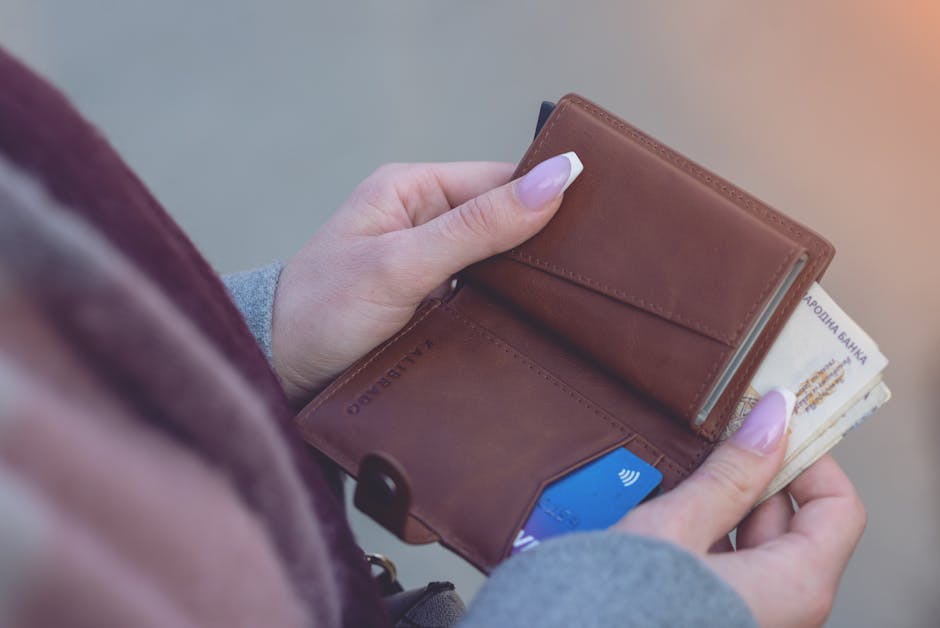
The world of Japanese wallets continues to evolve, pushing boundaries beyond traditional leather and fabric. Expect to see further integration of smart technologies, such as NFC-enabled materials or ultra-thin, durable synthetic fibers that mimic the feel of natural materials but offer enhanced performance. The core principles of efficiency, minimalism, and masterful craftsmanship will remain, but the methods and materials will adapt to a more connected, fast-paced future, always prioritizing the user experience and long-term value.