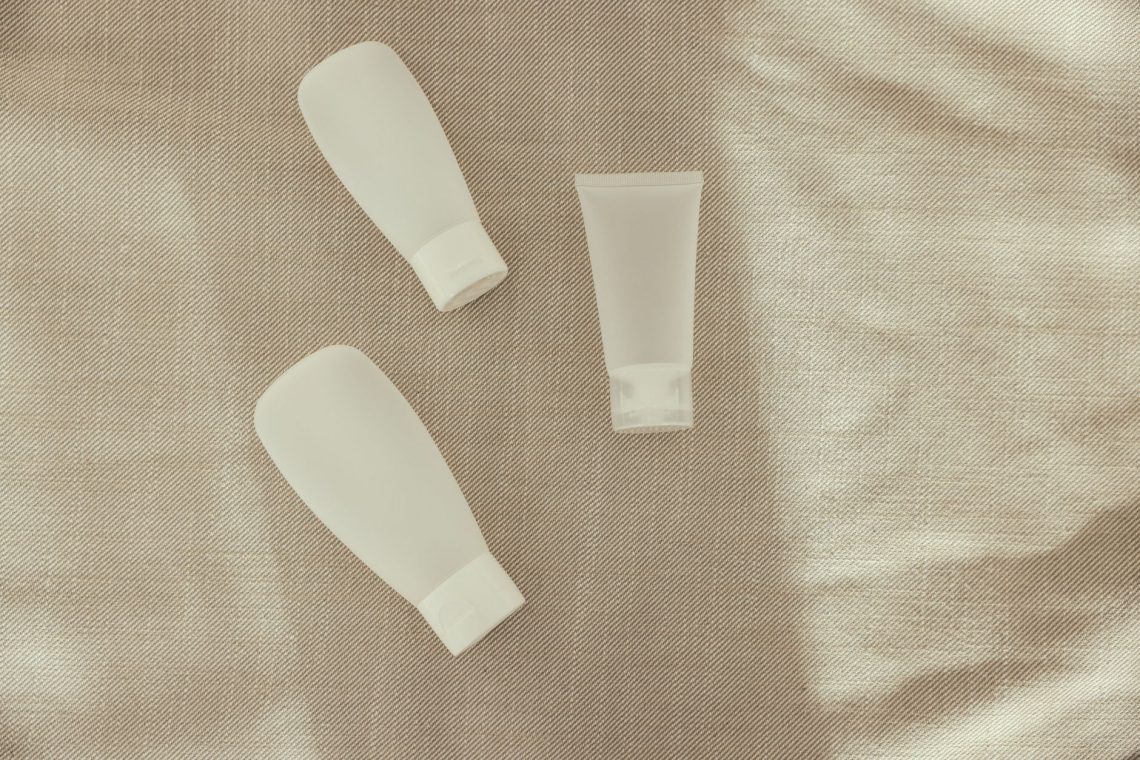
A leaking cleanser can undo a carefully packed beauty bag before a short break has even begun. The answer is not to wrap every bottle in layers of tape and hope for the best. A reliable system starts with deciding what needs decanting, matching each formula to a suitable container and checking the closure before it goes near your clothes.
For a few nights away, aim for a small, familiar routine: cleanse, moisturise and protect, with any extra step you genuinely use. Fewer bottles mean fewer opportunities for spills. Here is a straightforward method for packing enough skincare for your trip without bringing the whole bathroom shelf.
Start with the routine, not the bottles
Lay out the skincare you intend to use for each morning and evening away. Include the journey home, particularly if you will want to wash your face after travelling. Keep your usual products wherever possible; a short trip is an awkward time to discover that a new combination leaves your skin uncomfortable.
Separate the products into two groups: suitable for decanting, and better left in their original packaging. A basic rinse-off cleanser or straightforward moisturiser may be a sensible candidate. Products with specific storage instructions, unusual dispensers or packaging designed to limit exposure to light and air deserve more caution.
Keep sunscreen in its original container. Transferring it makes it harder to retain the directions and judge whether you have enough, and a spare bottle may not offer the same protection for the formula. Apply the same restraint to prescription skincare: keep its labelled packaging and follow the instructions supplied.
Match the container to the texture
A bottle that behaves well with a thick lotion may leak when filled with a watery toner. Choose the closure and opening for the actual formula, rather than buying an identical set and expecting it to suit everything.
- Watery liquids: choose a small bottle with a firmly closing screw cap and a suitable dispensing insert. Avoid a loose flip-top that opens easily when squeezed.
- Gel cleansers: use a bottle with an opening wide enough to fill cleanly and a cap that closes securely.
- Lotions: a small squeeze bottle can be convenient, provided the material is compatible with the product and the closure fits properly.
- Thick creams: a small screw-top pot may be easier to fill and use than a narrow-necked bottle. Use a clean spatula rather than your fingers when transferring.
- Oily formulas: check the container maker’s guidance. Do not assume a soft travel bottle is suitable for every cleansing oil or facial oil.
Inspect each empty container before using it. A split hinge, misshapen seal or cap that tightens unevenly is a reason to choose another one. Keep matching lids and bottles together: two caps can look interchangeable without forming the same seal.
Work out how much you actually need
Pack for your own usage rather than filling every container to its maximum. If you are unsure how much moisturiser you use, dispense your normal amount onto a clean spoon or dish before your next application. Use that as a rough visual guide when choosing a container for the number of applications ahead.
Allow a little extra for a delayed return or an additional cleanse, but avoid turning a weekend supply into a fortnight’s worth. Smaller quantities are easier to organise, and there is less product to lose if something does escape. If your existing miniature comfortably covers the trip, there is no need to transfer it again.
Clean, dry and label before filling
Wash reusable containers according to their care instructions, rinse thoroughly and allow every part to dry completely. Pay attention to the cap, dispensing insert and screw threads, where water can linger. Do not pour a fresh batch over old residue or top up a bottle whose contents you cannot confidently identify.
Work on a clean, dry surface with washed hands. Set out only the products and containers you need. A small funnel can help with a pourable liquid; a clean spatula is more useful for cream. Avoid adding water to make a thick product easier to transfer, as this changes the formula.
Label each container with the product name and the date you filled it. Include any essential directions you might forget, such as evening use only. Let the label adhere to a dry exterior, then check that you can distinguish the products at a glance. Two unmarked bottles of pale lotion are surprisingly easy to muddle in an unfamiliar bathroom.
Fill carefully and leave some space
- Steady the container. Place it upright on a washable tray or towel so you can fill without holding it at an awkward angle.
- Transfer slowly. Pour or spoon in a little at a time. Pause if the product gathers around the neck rather than pushing more through.
- Leave headspace. Do not fill to the brim. Leave room below the opening so closing the cap does not force product into the threads.
- Clean the sealing surfaces. Wipe the rim, neck and cap threads with clean tissue. Remove any cream or oil that could prevent a snug closure.
- Close it squarely. Screw the lid on evenly and firmly by hand. If it catches at an angle, undo it and start again; forcing it can damage the closure.
For a pump container, check whether it has a locking position and a separate protective cap. Follow its instructions rather than repeatedly pressing the pump to find the lock. An exposed pump can be depressed by other items in your bag even when the bottle itself stays upright.
Give every filled bottle a simple leak check
Do this before packing day if you can. Wipe each filled container dry, close it and place it on its side on clean tissue inside a washable tray. Turn it so the closure is in contact with the product, then check later for damp patches, oily marks or residue around the neck.
For a squeeze bottle, gentle pressure can reveal a cap that does not hold securely. Do not crush it or squeeze hard enough to force the lid open. This is a useful check for obvious faults, rather than a guarantee against every movement or pressure change during travel.
If you find a leak, clean the threads and reseat the lid once. If it leaks again, change the container. Tape may help keep an otherwise sound cap from opening accidentally, but it cannot repair a poor seal. Avoid relying on cling film stretched under a lid, which may interfere with how that particular closure fits.
Pack a second barrier around your skincare
Put the checked containers in a separate, securely closing pouch that can contain a small spill. Keep them upright where practical and avoid wedging them tightly beneath shoes, hair tools or other heavy objects. Leave enough room that closing your case does not compress the bottles.
If you are flying, check the liquid and bag requirements for your departure airport and any connecting journey before you pack. Follow the applicable rules for container sizes and presentation. A bottle’s capacity matters, so a mostly empty large bottle may still be unsuitable for cabin baggage.
At your destination, open the pouch over a wipeable surface and check the bottles before putting them on a bathroom shelf. Keep them away from direct sunlight and heat, and follow the original products’ storage guidance. After the trip, keep any remaining decanted product clearly labelled; do not pour it back into the original container. Clean and dry the empties before storing them for your next break.
The most useful short-trip kit is one you can recognise, close securely and use comfortably. A few suitable containers, modest quantities and a quick check before departure make that much easier to achieve.