A summer evening outfit has to work through several changes: the warmth while you get ready, the breeze on the way to dinner and the cooler air when you leave. If you prefer your arms, shoulders or legs covered, dressing for all three can feel fiddly. But coverage does not have to mean a heavy outfit or a cardigan you spend the evening carrying.
The useful starting point is to separate how much skin you want covered from how much warmth you need. A loose cotton sleeve gives coverage with relatively little insulation; a close-fitting knitted sleeve feels quite different. Once you choose each piece for a clear purpose, putting together an evening look becomes much easier.
Decide where you want coverage first
Before choosing a dress or reaching for a jacket, identify what will help you feel comfortable. You might want covered upper arms, a higher neckline, a longer hem or an extra layer across your back. These are separate preferences, and one garment does not have to solve them all.
If arm coverage matters most, start with a sleeved top or dress. That way, taking off your jacket indoors will not leave you feeling exposed. If you mainly want warmth after sunset, a sleeveless base with a proper outer layer may be more useful. For covered legs, lightweight trousers can be easier to move in than a long, narrow skirt.
Think about the evening itself, too. Sitting outside for dinner calls for more warmth than walking between indoor venues. Check the forecast before getting dressed, then account for how long you will actually be outdoors.
Choose sleeves that leave room for air
Sleeve length is only part of the decision. Width, cuffs and the fit around your underarms all affect how comfortable a top feels. Look for room to bend your elbows and reach forwards without pulling across the back.
Elbow-length and three-quarter sleeves
These are useful when you want your upper arms covered but prefer your wrists free. A straight sleeve gives a clean outline, while a gently flared cuff adds movement. Try the sleeve with your intended jacket: a broad cuff can bunch inside a narrow outer sleeve.
Loose full-length sleeves
A relaxed shirt sleeve can work well on a warm evening, particularly with cuffs you can unbutton or turn back. Soft gathers at the wrist offer coverage without needing a tight fit along the arm. Avoid so much volume that the sleeve trails through food or catches on your bag.
Sheer sleeves
Chiffon, lace and other sheer sleeves offer a lighter visual effect, but they are not interchangeable with opaque coverage. Hold the fabric against your skin in daylight to judge whether it meets your preference. If it does, pair sheer sleeves with an opaque bodice for a look that feels considered and easy to wear.
Read the fabric as well as the label
Fibre content is helpful, but weave, thickness, lining and cut matter too. A densely woven cotton dress with a substantial lining can feel warmer than a loose, unlined garment. Feel the whole piece, including the lining, before deciding whether it suits a summer night.
- Cotton: try a light poplin shirt or a soft cotton dress with enough space through the body. Crisp fabric can give a simple outfit shape without lots of extra detail.
- Linen: useful for relaxed trousers, shirts and jackets. Expect creasing and choose a cut that still looks good when you sit down.
- Viscose or lyocell: often found in fluid dresses and wide-leg trousers. Check that the fabric does not cling or become more revealing when stretched.
- Fine knitwear: a lightweight cardigan can add warmth without the bulk of a chunky knit. Check the neckline and sleeve fit over your base outfit.
For any pale or fine fabric, check opacity near a window. Look at the back as well as the front, and try it with the underwear you plan to wear. Adding a slip or camisole may solve transparency, but it also adds another layer, so assess the complete outfit.
Build around a comfortable base
A base outfit should feel finished when your outer layer comes off. A long-sleeved midi dress is an easy starting point: choose one with a skirt you can walk in and a waist that stays comfortable while seated. Buttons, a collar or a softly gathered neckline can provide interest without needing much jewellery.
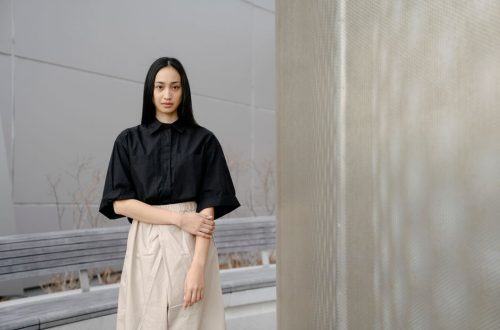
For separates, try wide-leg trousers with an elbow-sleeved blouse. Keep the proportions deliberate: a shorter top can sit neatly above a fuller trouser, while a longer shirt might work with a small front tuck. Neither piece needs to fit tightly to give the outfit definition.
A midi skirt and a fine knitted top offer another option. If both have volume, check where the top finishes; a hem that stops at the skirt’s fullest point may feel cumbersome. Experiment with a light tuck or a slightly shorter top using pieces you already own.
Give your outer layer a specific job
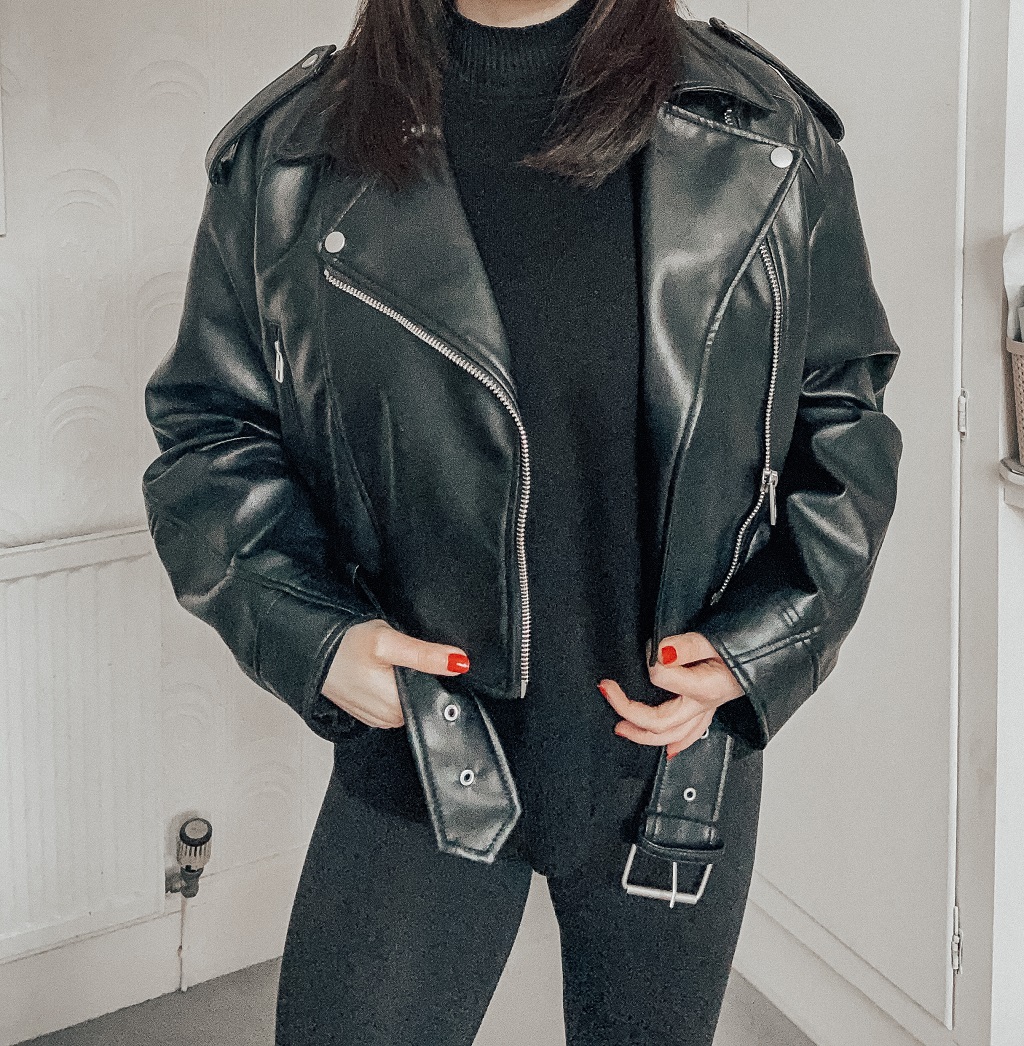
Choose the extra layer once the base outfit works. A linen or cotton jacket adds structure for dinner, while a fine cardigan is useful when you want something softer across your shoulders and arms. A lightweight trench can suit an evening involving more walking, especially when you want coverage below the waist as well.
Try the layers together before leaving. The jacket needs room for your sleeves, and the neckline should sit comfortably over any collar or fastening. Fasten it, put on your bag and sit down: these small checks reveal awkward pulling that a standing mirror check can miss.
A wrap works best if you enjoy wearing one and can keep it in place comfortably. For an evening involving drinks, a plate or frequent movement, sleeves may be easier. If you do choose a wrap, practise arranging it so that your hands remain free.
Make covered outfits feel ready for evening
You do not need bare skin to make an outfit feel dressed up. Colour, texture and accessories can do that work. Try a deep blue dress with silver jewellery, an ivory shirt with chocolate trousers, or a softly textured blouse with a plain skirt. Keeping one element distinctive can be enough.
Footwear should suit the ground as well as the clothes. Loafers or pointed flats work with trousers; a block heel can pair neatly with a midi dress. If you prefer covered toes, look for a shape that feels comfortable across the forefoot and stays secure when walking.
Keep your bag practical enough to hold whatever you will remove indoors. A layer that folds comfortably into your bag is useful; a jacket can stay on the back of your chair where appropriate. Avoid building an outfit around constantly readjusting something.
Do one final movement check
Before heading out, raise your arms, walk, sit and bend to pick something up. Check whether necklines gape, buttons pull or skirt splits open further than you prefer. Make any adjustment while you still have time to change a layer.
The aim is an outfit that lets you settle into the evening. Start with the coverage you want, leave room for movement and add warmth where you need it. A well-chosen sleeve and a useful layer can carry you comfortably from a warm afternoon into a cooler night.