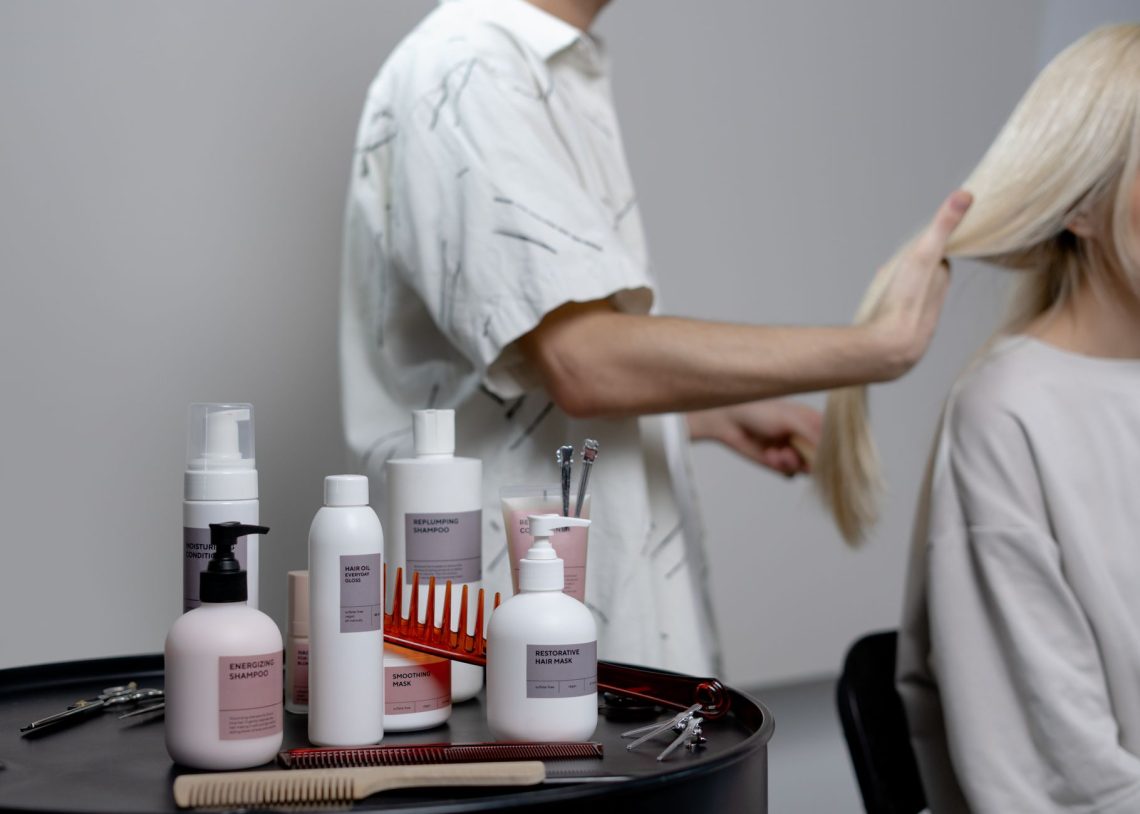
A conditioner and a hair mask can look remarkably similar in the shower: both are usually creamy, both promise softer hair, and both often come with instructions to rinse thoroughly. It is easy to wonder whether you need both, or whether a generous helping of conditioner does the same job as a mask.
The useful difference is their role in your routine. Conditioner is generally your regular step after shampooing, helping hair feel smoother and easier to detangle. A mask is an occasional treatment you choose when your lengths need something more specific, such as a richer feel or extra smoothing. The formula matters more than the name, so a mask is not automatically better, stronger or right for every wash.
What does conditioner do?
Shampoo cleans your scalp and hair; conditioner helps make the lengths more manageable afterwards. Conditioning ingredients reduce friction between strands, which can make combing less of a struggle and leave hair feeling softer. That slip is especially useful if your ends tangle easily.
A rinse-out conditioner is designed to fit into an ordinary hair wash. Depending on the formula, it might offer lightweight softness, a smoother finish or a richer feel for dry lengths. It does not have to feel thick to be useful, and a heavy texture does not necessarily mean better results.
For many people, conditioner is enough for everyday manageability. If your hair dries comfortably, detangles without much pulling and holds the style you want, there is no need to add another product simply because it exists.
What does a hair mask do differently?
A hair mask is usually positioned as a treatment for a particular concern. Some focus on softness and smoothing; others are formulated for colour-treated hair or contain proteins intended to help improve the feel of damaged lengths. They may be richer than a regular conditioner, although there is plenty of overlap between the two categories.
Think of a mask as an adjustment to your routine. You might reach for one when your ends feel rough, when tangles have become harder to manage, or when your usual conditioner leaves your lengths feeling under-conditioned. Choose it for the result you need, rather than the promise of an indulgent treatment alone.
A mask cannot permanently mend split ends. It may make worn lengths look smoother and feel more manageable, but visibly split ends still need trimming. Neither a mask nor a conditioner cancels out repeated damage from rough handling or excessive heat.
When should you use each?
Use conditioner for regular detangling and softness
If you are washing your hair and want it to be easier to comb and style afterwards, conditioner is the natural starting point. Focus on the areas that need it, usually the mid-lengths and ends. Hair near the scalp may need very little, particularly if your roots become oily easily.
Oily roots and dry ends can exist together. Rather than skipping conditioner altogether, keep it away from your roots and assess how your lengths feel once dry. A lighter formula or a smaller amount may suit you better than abandoning the step.
Use a mask when there is a clear reason
Consider a mask when your usual routine is not giving your lengths enough softness or manageability. Bleached ends, frequently heat-styled lengths and naturally dry textures may appreciate a richer treatment, but those descriptions are starting points rather than rules.
There is no universal mask timetable. How often you wash, your hair’s texture, its condition and the formula all affect what feels comfortable. Begin with the product’s directions, then judge the result on dry hair. If your lengths feel coated or lose their usual movement, you may need less product, a lighter formula or fewer applications.
How to use conditioner well
- Shampoo and rinse. Concentrate cleansing on your scalp, allowing the lather to pass through your lengths as you rinse.
- Gently squeeze out excess water. Hair should remain wet, but removing some dripping water makes application easier to control. Avoid twisting it tightly.
- Distribute conditioner through the lengths. Start with a modest amount, adding more where needed. Follow the label if it gives different placement instructions.
- Detangle gently if appropriate. Use your fingers or a suitable wide-toothed comb, beginning at the ends and working upwards. Do not force through knots.
- Follow the stated contact time and rinse. A rinse-out product should be rinsed out; leaving traces deliberately is not the same as using a leave-in conditioner.
Distribution is often more useful than another handful of product. If one section always feels rough, check that you have actually worked conditioner through it before increasing the amount everywhere.
How to fit a mask into your wash
Read the instructions before getting your hair wet. Many masks are used after shampooing, but some treatments are intended for use before washing or on dry hair. Those differences matter more than a general routine found on a jar beside it.
For a mask directed for use after shampooing, gently squeeze out excess water and spread it evenly through the recommended areas. Sectioning thick hair can help you reach the underneath layers without piling too much onto the top. Keep it off your scalp unless the product is intended for that area.
Leave it on for the time stated on the packaging. There is no need to invent a longer waiting period, add heat or sleep in it unless the instructions specifically allow that use. Longer contact does not automatically produce a better finish.
Rinse as directed, then style as usual so you can judge the result fairly. Trying several new treatments in the same wash makes it harder to tell which one helped or left your hair feeling heavy.
Do you need conditioner after a hair mask?
Often, a conditioning mask can take the place of your regular conditioner for that wash. If it leaves your hair soft and easy to detangle, adding another rich product may be unnecessary. However, some treatments have a different role and specifically direct you to follow with conditioner.
Let the instructions and the finish guide you. There is no universal rule that every mask must be followed by conditioner to “seal it in”. If the directions are unclear, avoid assuming that a longer sequence will be more effective.
Choose according to how your hair behaves
- Fine hair: Look for conditioning that leaves your strands moving freely. Apply carefully to the ends and reassess if your style falls flat.
- Thick or coarse hair: A richer texture may feel more comfortable. Work in sections so the inner layers receive attention too.
- Curly or coily hair: Prioritise slip and manageable detangling. Assess softness and curl definition once dry, rather than judging by how luxurious the product feels in the shower.
- Coloured or bleached hair: Choose a formula suited to your treatment and current condition. A toning mask has an additional colour function, so follow its directions carefully.
Keep the routine as simple as your hair allows
Start with a conditioner that makes regular washing and detangling comfortable. Add a mask when you can name what you want it to improve, then keep it only if the result earns its place. Softer ends, easier combing and a finish you enjoy are more useful guides than a crowded bathroom shelf.