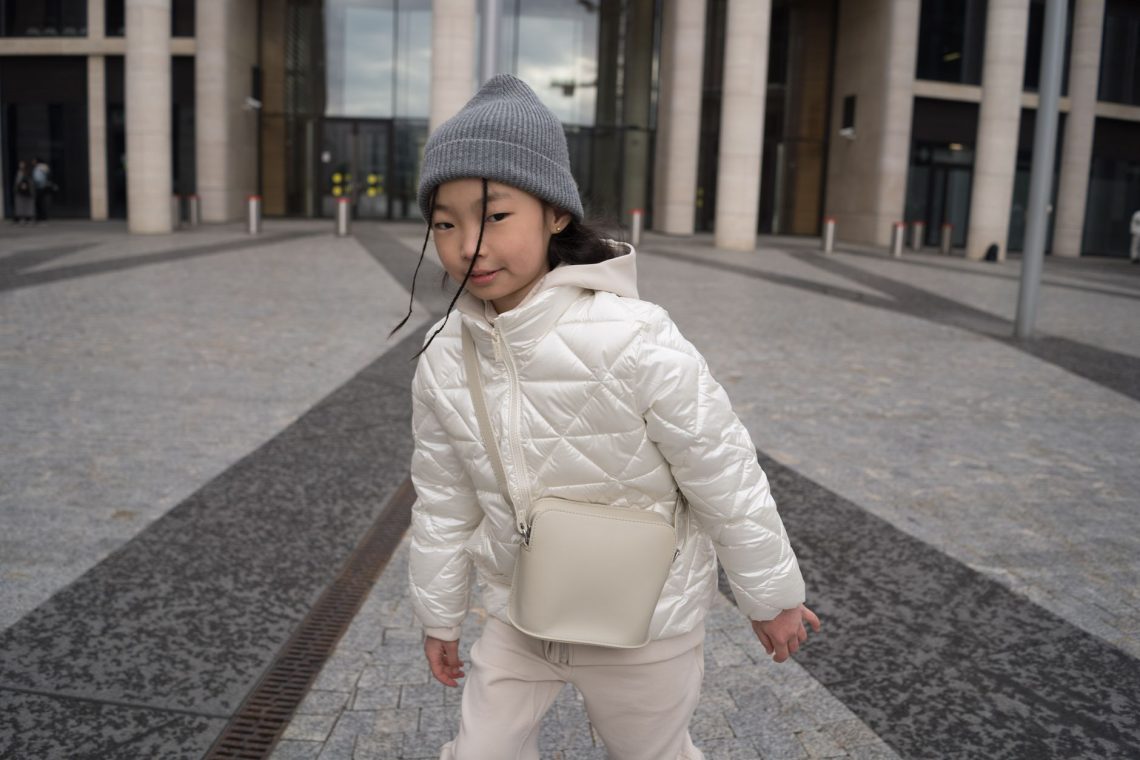
A cross-body bag should make getting out of the door simpler. You can carry a coffee, hold an umbrella or reach for a handrail without keeping one hand on a slipping shoulder strap. Yet a bag that hangs at the wrong height can swing against your thigh, catch on a coat pocket or require an awkward reach every time you need your keys.
There is no single correct strap length for everyone. Your height matters, but so do the shape of the bag, the thickness of your clothes and the way you travel. The aim is to find a position where the bag feels settled, opens comfortably and stays within easy reach. Start with its position on your body, rather than the number of holes on the strap.
Find your starting height
Put the bag across your body with the strap sitting comfortably on your shoulder, away from the base of your neck. As a starting point, let the main body of the bag rest around your upper hip. This usually keeps it clear of your walking stride while allowing your hand to reach the fastening without pulling the bag upwards.
Look at where the whole bag sits, not just its top edge. A deep rectangular bag may reach your thigh even when the zip looks sensibly placed. A shallow crescent shape on the same strap length may sit neatly against your waist. Adjust until the bottom edge no longer knocks against your leg when you take a full step.
Now relax your shoulders and stand normally. If you have to lift one shoulder to keep the strap comfortable, or the bag presses into your ribs, try a slightly longer setting. If you instinctively hold it still while walking, try shortening it. The useful height is the one that lets you forget about supporting it.
Adjust the strap with your usual contents inside
An empty bag can give a misleading impression of fit. Add the things you normally carry: purse, phone, keys, glasses and any small extras. Weight can pull a soft bag lower and change how it lies against your body. There is little point perfecting the strap length before adding a bulky glasses case that alters the shape completely.
- Put on the clothes and shoes you expect to wear.
- Load the bag, close it and place the strap flat across your body.
- Shorten or lengthen the strap in small stages, checking the position after each change.
- Walk, sit down and reach into the bag before deciding the setting is right.
With a buckle strap, one hole can make a noticeable difference. With a sliding adjuster, move it a little at a time and check that it holds once the bag is loaded. Keep any loose strap end tucked into its keeper so it cannot flap about or catch on a seat.
Make room for coats without letting the bag dangle
A strap that works over a cotton shirt may feel surprisingly short over a wool coat. Extra fabric takes up space along its route across your shoulder and chest. A padded jacket can also push the bag away from your body, making it feel perched rather than settled.
Fit the strap over your coat with the coat fastened as you intend to wear it. Lengthen it only enough for the bag to lie comfortably. Avoid adding so much length that the bag drops towards your knee when you open the coat or take it off indoors. A small adjustment at the start and end of the journey is often more useful than one compromise setting.
Check what sits beneath the bag. A large patch pocket, belt knot or row of chunky buttons may make it tilt outwards. Move the bag slightly towards the front of your hip, or shift the coat belt knot to one side if comfortable. Let a scarf sit naturally before adjusting the strap; trapped layers can create pressure that feels like a strap-length problem.
Choose where the bag sits as well as how high
Height and position work together. At your side, a bag can leave the front of an outfit clear, but may bump your arm as it swings. Slightly forward of the hip, it is easier to see and open. Try both positions while walking rather than judging them only in a mirror.
For busy transport, bring the bag towards the front of your body before boarding. Adjust it high enough to keep it close and manageable, while leaving space to breathe and move comfortably. You should be able to reach a handrail without the strap drawing tightly across your neck.
A cross-body strap helps keep a bag attached to you, but it does not make an open pocket secure. Close the main fastening and place valuables inside a zipped compartment where possible. Keep the opening facing towards you if the design allows, and avoid leaving your phone in an exposed outer pocket.
Check the fit for buses and trains
The platform is a useful place to organise yourself before a crowded journey. Have your ticket or travel card accessible without leaving the main bag open. Once through the barrier, put it away and close the fastening before moving into a busy carriage.
When sitting down, bring the bag onto your lap while keeping the strap across your body if it feels comfortable. A bag left hanging beside the seat can knock into another passenger or catch as you stand. If the strap feels restrictive when seated, loosen it slightly, then check its height again before walking away.
On an escalator or crowded staircase, keep the bag within your own space and leave a hand available for the rail. If it swings forward whenever you lean, shorten the strap a little or reposition the bag. Avoid repeatedly tugging it into place while moving; pause somewhere clear to adjust it properly.
Balance comfort with the shape of your outfit
A cross-body strap creates a diagonal line across your clothes, while the bag draws attention to wherever it rests. You can use that deliberately: a compact bag near the waist can sit neatly with a long coat, while a slightly lower position may feel easier over a loose knit. Treat these as styling options, rather than rules about body shape.
Watch for fabric bunching beneath the strap. Fine knitwear can gather, and a loose blouse may pull as the bag moves. Smooth the garment, then check whether a small change in strap length helps. A heavier bag may keep dragging regardless of height; removing unnecessary contents is often the most effective adjustment.
If a narrow strap digs into your shoulder, shortening it further is unlikely to solve the problem. Reduce the load, try the opposite shoulder or consider a compatible wider strap if the bag has suitable detachable fittings. Stop and adjust if carrying it becomes uncomfortable.
Use a quick check before leaving
Once you have found a comfortable setting, remember the bag’s position on your body rather than relying solely on a buckle hole. Different layers can change the fit. Before leaving, walk a few steps, reach across to open the fastening and raise each arm. The bag should stay manageable through all three movements.
The best cross-body height leaves your hand free because you do not need it to steady, lift or guard a dangling bag. Keep the load sensible, adjust for your outerwear and bring the bag forward when the journey gets crowded. A few small changes can make a familiar bag much easier to live with.