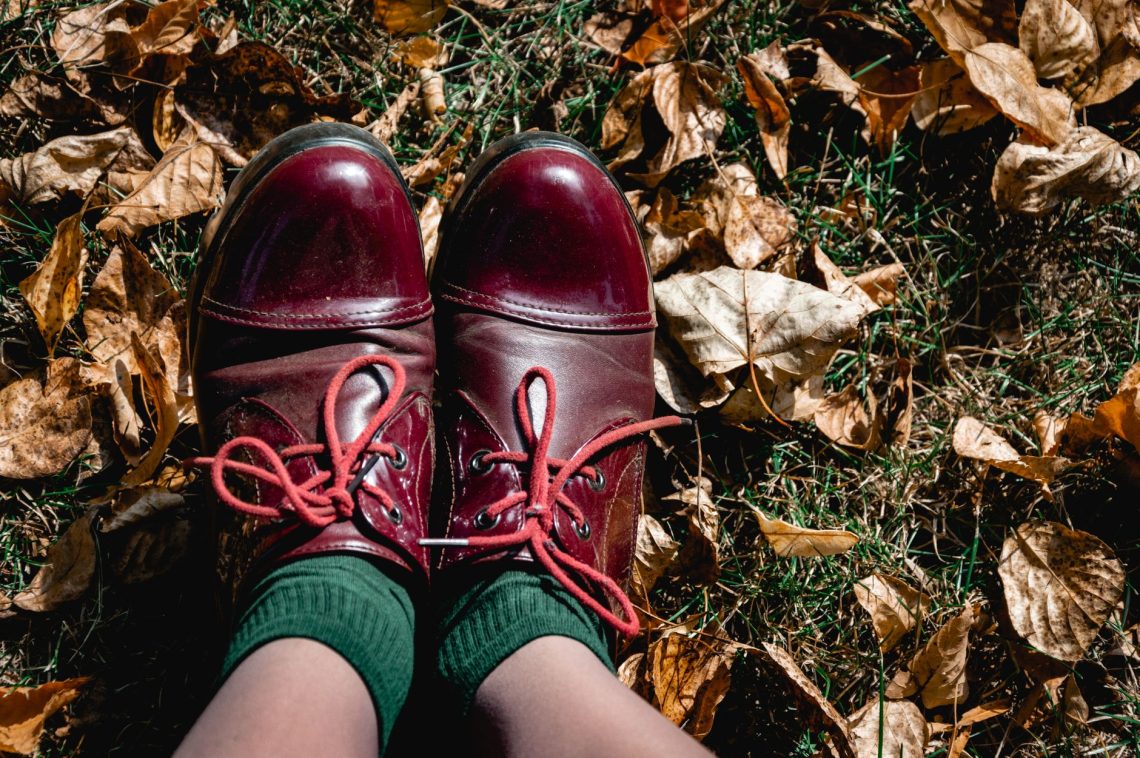
New leather shoes can make an outfit feel instantly more polished, but a stiff heel or an unforgiving seam can spoil their first outing. The trick is to give the shoes a gentle introduction to your feet before asking them to manage a whole day. Breaking them in should involve short, comfortable sessions, not gritting your teeth through rubbing.
If you want to wear a new pair tomorrow, there is still useful preparation you can do today. What you cannot do is guarantee that an unsuitable fit will become comfortable overnight. Start with the fit, choose your socks carefully and plan a first outing that gives you an easy escape.
Check that the fit deserves a chance
Before wearing your shoes outside, try them on indoors on a clean surface, keeping any returns conditions in mind. Fasten both shoes properly and stand up. Your toes should have room to lie naturally, without curling or being pressed against the front. Walk a few steps and notice whether your heel stays reasonably secure.
Leather may soften with wear, but that is different from making a shoe longer or changing the shape of its sole. A snug upper can sometimes become more accommodating; a toe box that crushes your toes is a reason to reconsider the size or style. Equally, a loose shoe that slides backwards and forwards can create friction.
Do not treat sharp pressure, numbness or persistent pinching as part of the process. Try the shoes later in the day as well, when your feet may feel fuller, and wear the socks or hosiery you actually intend to pair with them.
Start with short indoor sessions
Make your first session deliberately unambitious. Wear the shoes while getting dressed or moving around one room for five to ten minutes. You are checking where the leather bends and where the edges sit, rather than trying to complete a daily step count.
Take them off and check your feet. A patch that feels warm, tender or noticeably rubbed is your cue to stop and adjust the plan. You do not need to wait for a blister before deciding that a session has been long enough.
If the first wear feels comfortable, try a slightly longer session later or the following day. Increase the time gradually, allowing your feet a break between wears. Some shoes become pleasant companions quickly; others remain too rigid or poorly shaped for your feet. Let comfort set the pace.
A simple plan for the first few wears
- First session: wear them briefly indoors with your intended socks and check for pressure points.
- Next comfortable session: spend a little longer walking around at home, including sitting and standing.
- First outdoor outing: choose a short trip close to home and carry another pair.
- Longer wear: extend the outing only when the previous one has left your feet comfortable.
This is a flexible sequence, not a deadline. If you notice rubbing at any stage, step back rather than pushing on because you have reached a particular day.
Choose socks for the shoe, not just the outfit
Socks provide a useful layer between your skin and a firm leather upper, but their fit matters. Look for a smooth pair that stays in place, with no bulky seam pressing across your toes. Wrinkled fabric and slipping heels can introduce their own rubbing points.
For lace-ups or ankle boots, a medium-weight sock can be a sensible starting point if there is enough room. For close-fitting loafers or courts, forcing in a thick sock may make the shoe tighter. The aim is cushioning without squeezing your foot.
If your finished look calls for bare ankles, try discreet shoe liners during the indoor sessions. Check that they cover the places where the shoe touches and do not roll under your foot. A liner that disappears attractively but slides off your heel is unlikely to help on a walk.
Change out of damp socks, and begin with clean, dry feet. Avoid treating very thick socks as a shortcut to stretching: if you have to force your feet into the shoes, the combination is too tight.
Pay attention to heels, seams and fastenings
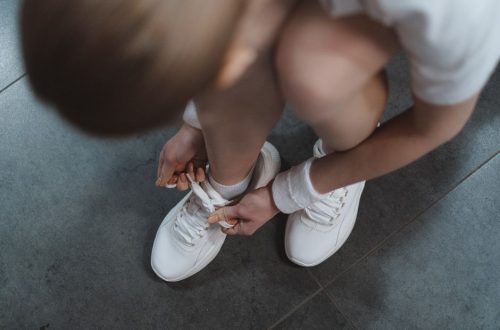
The back of a new shoe often deserves particular attention. Notice whether its edge meets your heel comfortably or catches the same spot with every step. Tighten laces evenly so your foot is held securely, rather than leaving the front loose and pulling hard at the ankle.
With loafers, check whether your foot lifts out as you walk. A small adjustment to your sock choice may help, but repeated slipping can indicate a fit problem. Adding several pads to fill a loose shoe can crowd the toes or change where the heel edge lands.
If you know an area is prone to rubbing, a suitable blister plaster or protective dressing may help protect intact skin; follow its instructions. Keep the placement smooth and check that the shoe still fits comfortably. Protection is a precaution, not permission to ignore pain.
Time the first outing carefully
A wedding, a commute with several changes or a full day of sightseeing is a demanding debut. Choose a brief errand or a relaxed visit where you can sit down and change shoes easily. Consider the whole journey, including the walk to the station and the trip home.
Carry a comfortable spare pair from the start. Flat shoes that fold neatly into a bag are useful only if you already find them comfortable; your most dependable trainers may be the better choice. Change as soon as you feel a developing hot spot.
For an occasion with a fixed date, start the indoor sessions well beforehand. On the day, save the new shoes for the part of the event where you most want to wear them. Travelling in a familiar pair can reduce the amount of time your feet spend in stiff leather.
Skip aggressive softening tricks
It is tempting to hurry things along with a hairdryer, a soak or a night beside the radiator. Heat and water can affect leather, finishes and construction, so these methods are a poor gamble with a new pair. Avoid bending the shoes forcefully or crushing the heel backs, too.
If the leather needs care, consult the maker’s guidance before applying conditioner. A treatment suitable for one smooth leather may be wrong for suede, patent leather or a delicate finish. Conditioner is not a reliable answer to an uncomfortable fit, and too much product can alter the appearance.
For a specific tight area in an otherwise well-fitting shoe, ask a cobbler whether careful stretching is appropriate. Explain exactly where the pressure sits. Professional advice is especially useful when you are unsure about the material, but stretching still has limits.
Let your feet decide when the shoes are ready
After each wear, undo the fastenings fully and let the shoes air naturally away from direct heat. Check inside for a folded lining, rough seam or anything trapped beneath your foot. A recurring problem in one precise spot may need attention rather than more wearing time.
If a blister develops, stop wearing the shoes while the area recovers. Keep it clean and protected, and avoid deliberately bursting it. Seek medical advice if it appears infected or is not healing, especially if you have a condition that affects circulation or sensation.
The best first day is a manageable one: shoes that fit, socks that stay put, a short outing and a spare pair within reach. Give the leather time to soften, and give yourself permission to change shoes early. A polished outfit is much easier to enjoy when every step feels comfortable.