A weekend away can ask quite different things of your wardrobe: comfortable clothes for wandering during the day, then something more considered for dinner. The temptation is to pack two separate wardrobes, with extra options tucked around the edges. Yet a well-planned bag can cover both dress codes without leaving you sitting on the zip.
The trick is to give a few pieces more than one job, while allowing the evening outfit its own finishing touch. Start with what you will actually do, build complete outfits and make space for the things that keep those outfits looking good. Here is how to put that into practice.
Find out what “smarter” means before packing
A relaxed restaurant, a formal celebration and a hotel dining room may call for very different clothes. Check any dress guidance you have been given, then choose your evening outfit around that. If the invitation is vague, asking the host is more useful than packing several interpretations.
Think about the practical setting too. Will you walk to dinner? Is there an outdoor terrace? Will you have time to change properly? A beautiful outfit that needs shoes you cannot walk in, or ironing you cannot arrange, creates extra work before you have even left.
Write a tiny itinerary: travel, daytime plans, evening event and journey home. Add the likely weather and any activity that genuinely needs specialist clothing. This gives you a packing brief rather than an open invitation to bring every favourite.
Choose the evening outfit first
The smarter occasion usually has the fewest acceptable substitutions, so settle it first. Lay out the whole outfit, including underwear, shoes, outerwear and bag. Try it on if you have not worn the combination before. This is the moment to discover that a neckline needs a different bra or that your trousers only work with one heel height.
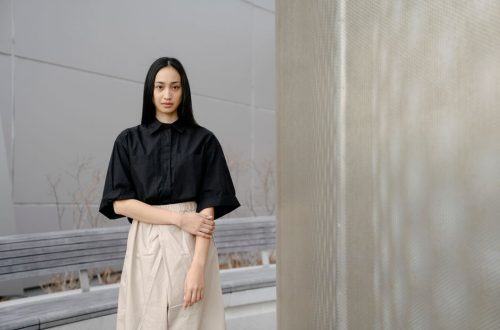
For a relaxed smart dinner, your starting point might be tailored trousers and a fluid blouse, or a simple midi dress with a cropped jacket. Let the actual dress code decide how formal you go. A jacket cannot turn every casual outfit into occasionwear.
Once the look is complete, identify what can work during the day. Tailored trousers might pair with a T-shirt and trainers; a dress might work with a knit and flat shoes. If the evening is more formal, keep its main garment separate and look for overlap in your coat, bag or accessories instead.
Build a small wardrobe with clear connections
Choose a main neutral and one or two supporting colours from clothes you already own. Navy with cream and soft blue, or black with ecru and a little red, gives you an easy starting point. You do not need everything to match, but each main piece should have an obvious partner.
For a typical two-night stay with casual daytime plans and one smart dinner, use this as a starting list, including what you wear to travel:
- One comfortable daytime bottom, such as jeans or relaxed trousers.
- One evening bottom and a smart top, or one dress in their place.
- Two casual tops that work with your daytime bottom.
- One knit or other useful layer.
- One jacket or coat suited to the forecast and your outfits.
- One pair of daytime shoes and one evening pair if needed.
- Underwear, socks, sleepwear and the accessories your outfits require.
This is a framework, not a challenge to manage with too little. Add a fresh top if your plans involve warm weather or energetic sightseeing. Remove an item if it duplicates something you will happily wear again. Prioritise clean layers next to your skin over spare trousers with no particular purpose.
Change the balance, not the whole outfit
Some clothes move between dress codes because of how you style them. A plain knitted top can look relaxed with loose jeans and trainers, then more polished tucked into tailored trousers with earrings. A midi skirt can work with a cotton T-shirt by day and a blouse after dark.
Focus on three things: shape, surface and finish. A neat tuck or defined waist changes the shape; a fluid or subtly lustrous fabric changes the surface; clean shoes and a considered accessory finish the look. You do not need to change all three, but the evening combination should feel intentional.
Keep at least one casual top reserved for the return journey. Rewearing a jacket is straightforward; depending on yesterday’s T-shirt to remain fresh is less reliable. If a shared piece is essential for dinner, avoid wearing it for an activity likely to leave it damp, muddy or marked.
Make shoes justify their space
Shoes can quickly fill a weekend bag, so choose them alongside your outfits. Your daytime pair must suit the walking you expect to do. Your evening pair must suit the venue, the weather and the length of your hems. Check all three before deciding that one pair will cover everything.
If polished loafers or simple ankle boots work comfortably for both parts of the trip, there may be no need for another pair. If dinner calls for dressier shoes, pack them without adding a third pair “just in case”. Wear the bulkier pair to travel, provided they are comfortable for the journey.
Use shoe bags or washable covers to keep soles away from clothing. Clean socks can go inside shoes to use the space, but avoid forcing delicate accessories into them. Check heels, straps and fastenings before departure; a small bag leaves little room for a replacement.
Keep accessories deliberate
Choose accessories by outfit rather than by category. Instead of adding a handful of jewellery, put aside the earrings or necklace you plan to wear to dinner. A small selection is easier to keep organised and gives you fewer decisions to make when changing.
A compact cross-body bag with a removable strap may suit sightseeing and a relaxed evening, if its shape and finish work with both looks. For a more formal occasion, a slim evening bag can be worth the space. Check that it holds your essentials before packing it.
The same principle applies to beauty products. Bring what you use to get ready, including the products needed for your planned evening look. A familiar lip colour or a tidy hairstyle can make a simple outfit feel finished without requiring a separate collection of cosmetics.
Pack to protect the clothes you have chosen
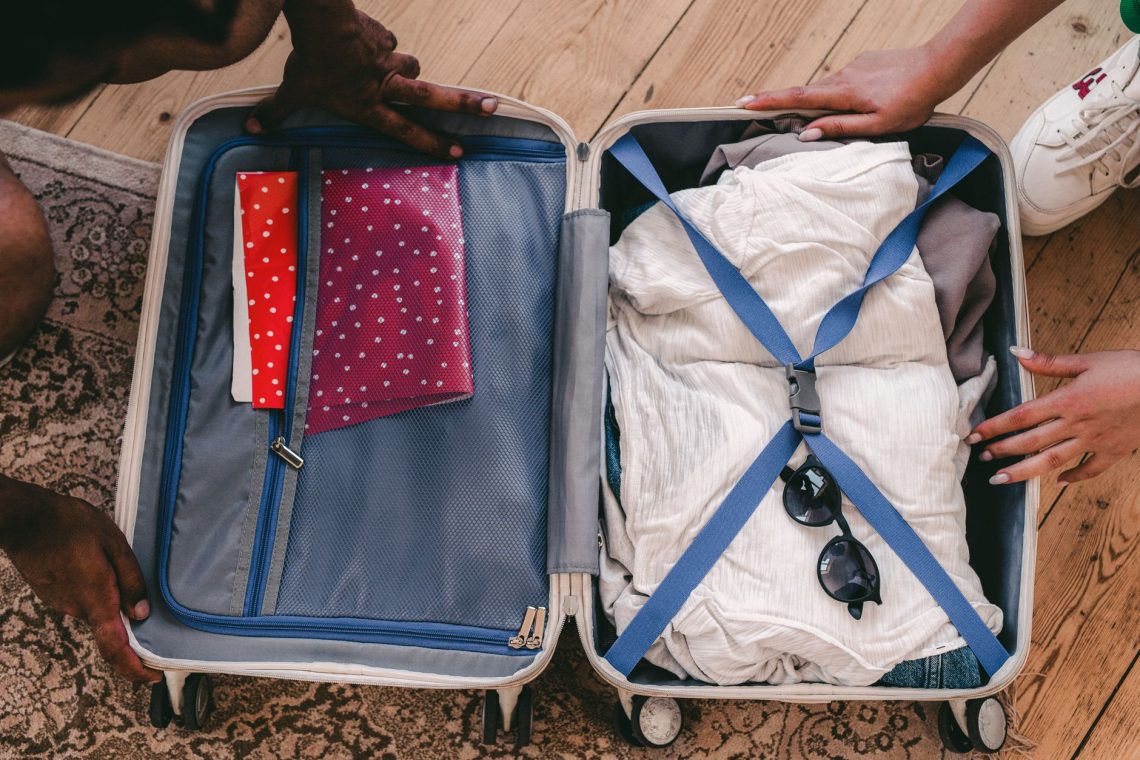
Empty the bag first so old receipts and forgotten toiletries do not consume useful space. Put shoes near the base, then pack sturdy items around them. Fold structured trousers along their creases and lay them as flat as your bag allows. Soft T-shirts and sleepwear can be rolled into gaps.
Keep a blouse or dress away from rough zips and shoe hardware. If you have a suitable fabric pouch, use it for jewellery that could snag clothing. Contain toiletries separately, with lids secure, and leave anything you need during the journey within easy reach.
Avoid compressing everything until the bag becomes rigid. Clothes need some room, and you will want space for worn laundry on the way home. Unpack the evening pieces when you arrive and hang them up. Follow their care labels if they need attention before wearing.
Do one final outfit check
Before closing the bag, name the outfit for each part of the trip. Every extra item should answer a specific need: warmth, a fresh layer or a known dress requirement. If its only role is to offer another option, consider leaving it behind.
Then check the easy-to-forget essentials: the right underwear for dinner, socks for both pairs of shoes, any necessary belt and a layer for the journey home. With complete outfits planned, you can enjoy casual days and arrive at the smarter evening feeling properly dressed, with a bag you can still carry comfortably.