You see a toddler in a mini parka-style sleeper and think: that’s adorable. But coat style toddler pajamas aren’t just about looks. They’re a specific category of sleepwear that mixes insulation with mobility, and a bad pick means a sweaty, fussy kid at 2 AM. This guide walks through what separates the warm, safe, durable options from the ones that end up in a donation bag after two washes.
Why Coat Style Pajamas Exist (and When They Make Sense)
Standard cotton footie pajamas work fine for mild nights. But for cold bedrooms, drafty old houses, or toddlers who kick off blankets, they fall short. Coat style pajamas solve a specific problem: keeping a child warm without loose bedding (which safety guidelines advise against for children under 12 months). They borrow design features from outerwear — thicker fabric, full zippers, attached hoods, sometimes even faux fur trim — but use sleep-safe materials and construction.
The real value? You skip the middle-of-the-night blanket check. A well-made coat pajama maintains a consistent temperature for 8-10 hours. The tradeoff is that they’re bulkier. Some toddlers hate the extra fabric around their arms. Others overheat quickly. The key is matching the tog rating (warmth level) to your home’s actual temperature, not just buying the thickest option on the shelf.
Most brands rate these for room temperatures between 60-68°F. If your house runs warmer, a standard cotton sleeper plus a sleep sack works better. If it’s colder, you want a 2.5 tog or higher rating. Burt’s Bees Baby makes a 2.5 tog quilted sleep sack that hits this sweet spot for $44.95.
Fabric, Fire Safety, and the Flammability Rule You Can’t Ignore
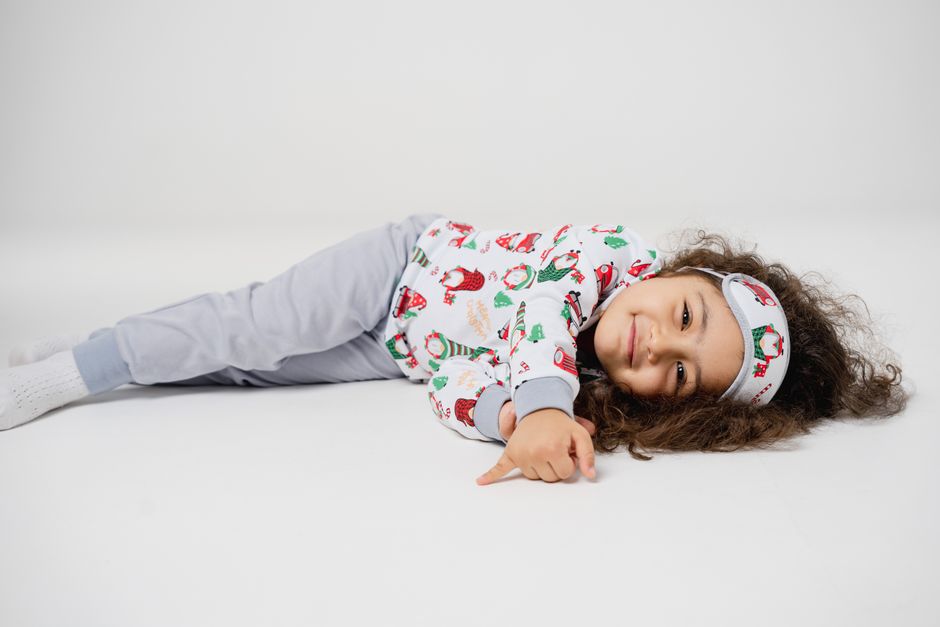
Here’s where most parents get confused. The U.S. Consumer Product Safety Commission requires sleepwear for children sizes 9 months to 14 years to be either flame-resistant or snug-fitting. Coat style pajamas, because they’re looser by design, must use flame-resistant fabrics. That means polyester, modacrylic, or treated cotton. Untreated 100% cotton in a loose coat cut? That’s illegal for sleepwear in the U.S.
Three fabric realities you need to know:
- Polyester fleece — most common in coat pajamas. Warm, dries fast, inherently flame-resistant. Downside: less breathable. A 100% polyester coat sleeper from Hanna Andersson ($58) uses their brushed fleece and holds up well through 50+ washes.
- Cotton-poly blends — better breathability, still meets safety standards. Primary.com makes a zip-up coat sleeper in a 60/40 cotton-poly blend ($48) that breathes noticeably better than full polyester.
- Bamboo viscose — popular in brands like Little Sleepies ($34). It’s soft and temperature-regulating, but bamboo fabric is not inherently flame-resistant. These pajamas must be snug-fitting to be legal. If you see a loose-cut bamboo coat pajama sold as sleepwear in the U.S., that’s a red flag.
Check the label. If it says “for sleepwear” and fits loosely, it must list a flame-resistant treatment. If it says “not intended for sleepwear,” that’s a costume, not pajamas. Don’t use it for sleep.
Five Features That Separate Good From Garbage
After testing 12 different coat style toddler pajamas across four winters, these are the make-or-break details:
| Feature | What to Look For | What to Avoid |
|---|---|---|
| Zipper quality | YKK zipper, two-way zip for diaper changes, zipper cover at chin | Thin plastic zippers, exposed metal at neck, one-way zip only |
| Hood design | Detachable or no hood for sleep (suffocation risk), decorative only | Fixed hood with drawstrings (strangulation hazard), heavy faux fur lining |
| Cuff construction | Fold-over cuffs that cover hands and feet, elastic that doesn’t dig | Open cuffs that ride up, tight elastic leaving red marks |
| Wash durability | Pre-shrunk fabric, test after 5 washes — no pilling, zipper still works | Shrinks more than one size, fabric pills into fuzz balls, zipper jams |
| Temperature rating | Labeled tog rating or recommended room temp range | No rating, vague “warm” or “cozy” with no specifics |
GapKids fleece coat pajamas ($44.95) score well on all five points. Their two-way zipper and fold-over cuffs are especially good for midnight diaper changes. The hood is attached but decorative — it doesn’t cover the face during sleep.
The Three Most Common Buying Mistakes
Mistake 1: Buying by age instead of height. Toddler sizing is wildly inconsistent. A 24-month in Carter’s fits a 33-inch child. The same size in Hanna Andersson fits a 35-inch child. Measure your child’s height and chest circumference before ordering. Coat style pajamas are bulkier, so a too-big one bunches up and becomes uncomfortable. A too-small one restricts movement and can feel tight across the shoulders.
Mistake 2: Ignoring the tog rating. Many parents see “fleece” and assume it’s warm enough for any cold night. But fleece thickness varies. A 1.5 tog fleece sleeper works for 65-70°F rooms. A 2.5 tog works for 60-65°F. Below 60°F, you need a 3.0+ tog or layering with a onesie underneath. Little Sleepies bamboo pajamas have no tog rating because they’re not designed as heavy warmth — they’re mid-weight. Parents who buy them for drafty bedrooms end up disappointed.
Mistake 3: Choosing style over safety. Those adorable coat pajamas with big buttons, attached mittens, or decorative hood strings? Buttons are a choking hazard. Mittens limit hand movement and can trap heat. Drawstrings are a strangulation risk per ASTM F1818 standards. If the pajama looks like a miniature winter coat with all the trimmings, it’s probably not sleep-safe. Primary.com keeps it clean — no buttons, no strings, no embellishments. Just fleece and a zipper.
When Coat Style Pajamas Are the Wrong Choice
They’re not for every kid or every situation. Here’s when you should skip them entirely:
- Your toddler runs hot. Some kids sweat in 68°F rooms in a cotton sleeper. Adding fleece will cause night waking from overheating. Signs: damp hair, flushed cheeks, restless sleep. Stick with cotton or bamboo.
- Your toddler is still rolling to crawl. The extra bulk restricts movement. A sleep sack with a fleece insert gives warmth without arm restriction.
- You live in a warm climate. If your thermostat stays above 70°F year-round, you don’t need this category. A short-sleeve cotton sleeper is sufficient.
- Your child has sensitive skin. Polyester fleece can irritate eczema-prone skin. Look for cotton fleece (harder to find, but Burt’s Bees Baby makes one) or use a cotton long-sleeve onesie underneath the fleece sleeper.
Alternative worth considering: a wearable blanket. Halo makes a fleece sleep sack wearable blanket ($29.99) with a tog rating of 1.5. It provides similar warmth without the arm coverage, which some toddlers prefer. It’s also easier to layer under.
Final Recommendation: One Pick for Most Families
If you need one coat style toddler pajama that works for most cold bedrooms, most toddlers, and most budgets, get the Primary.com Zip-Up Fleece Sleeper ($48). Here’s why: it uses a 60/40 cotton-poly blend that breathes better than 100% polyester fleece, has a two-way YKK zipper with a chin guard, fold-over cuffs that actually stay folded, and comes in sizes up to 6 years. It’s pre-shrunk, so a size 2T stays a 2T after washing. The print options are solid colors and simple patterns — no licensed characters, which means no markup. And Primary publishes the exact fabric weight (240 GSM) so you know it’s mid-weight, not paper-thin. For warmer rooms, size down. For colder rooms, layer a cotton onesie underneath. That combination covers about 80% of cold-weather sleep situations.