
A limited budget can still produce outfits that look intentional, polished, and easy to repeat. The defensible strategy is to buy fewer pieces, assign every dollar before shopping, and make each item work with at least three outfits. This is not legal advice — consult a licensed attorney.
Set the $500 wardrobe rule before shopping
The best budget is an outfit budget
Do not treat $500 as permission to fill a cart with isolated bargains. Treat it as a small wardrobe case: enough clothing for class, work shifts, casual plans, and one slightly dressier event. The clearest rule is simple: every new item must solve a specific outfit problem. If you cannot name three outfits before buying it, leave it behind.
Use a strict cost-per-wear test
A $25 overshirt worn 20 times costs $1.25 per wear. A $12 trend top worn once costs $12 per wear. That math favors solid colors, washable fabrics, and shapes that do not depend on one season. Your first purchases should cover the body of the wardrobe: two bottoms, four tops, one layer, one pair of daily shoes, and one versatile accessory. The verdict is clear: build a reliable base before adding personality pieces.
Keep at least $35 unspent until the final week. That reserve covers a missing size, a replacement button, or a weather need you could not predict.
Choose outfits before individual pieces
Start with a three-color palette
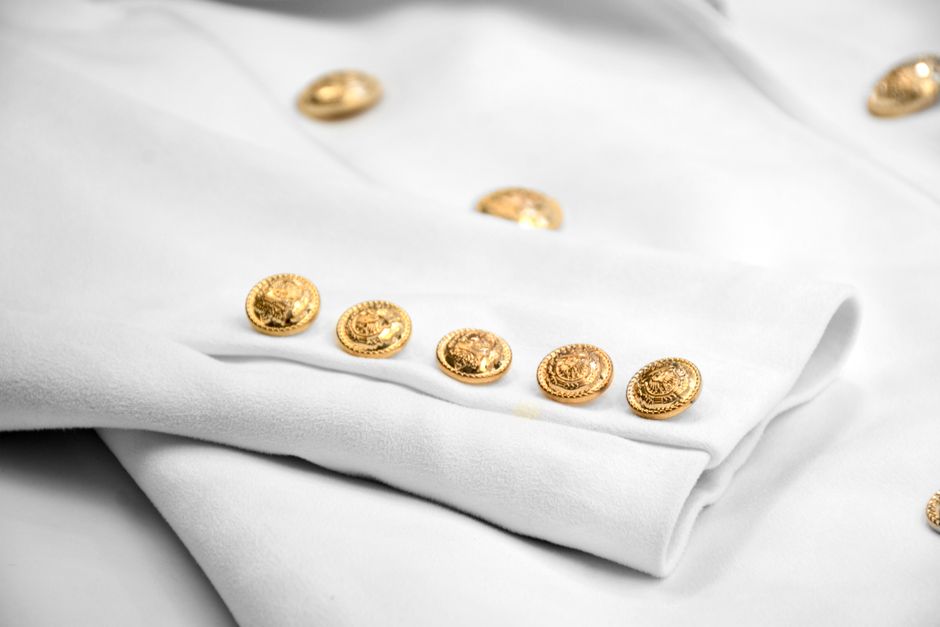
Pick one dark neutral, one light neutral, and one accent color. Navy, cream, and burgundy create a different mood from black, white, and forest green, but both palettes mix easily. Repeat those colors across tops, bottoms, shoes, and accessories. Repetition makes inexpensive clothing appear more coordinated because the outfit has a visible point of view.
| Wardrobe area | Quantity | Spending cap | Job |
|---|---|---|---|
| Everyday tops | 4 | $90 | Class and casual rotation |
| Bottoms | 3 | $135 | Jeans, trousers, or a skirt |
| Layers | 2 | $100 | Warmth and shape |
| Daily shoes | 1 pair | $75 | Walking and campus wear |
| Dressier option | 1 item | $55 | Presentations or events |
| Accessories and care | Several | $45 | Belt, bag, repairs, laundry |
This leaves $0 in the planned total, so adjust before buying. A better working version is to hold back $35 by reducing tops to $70 and accessories to $30. The final recommendation is to plan around $465 and keep $35 for real-life corrections.
Spend the budget in the right order
A five-step buying sequence
- Audit what you own. Photograph usable clothes and write down gaps. A black cardigan you already own changes the entire budget.
- Buy the hardest fit first. Jeans, trousers, and shoes deserve early attention because fit problems are harder to fix than color gaps.
- Choose repeatable tops. Select two fitted and two relaxed tops in your palette. This creates more outfit combinations than four statement pieces.
- Add one structured layer. A cardigan, chore jacket, or simple overshirt can make a basic tee and jeans look finished.
- Wait seven days for trends. Put trend items on a note, not in the cart. If the idea still creates three outfits after a week, use the reserve.
The strongest verdict is to delay accessories until the clothing gaps are closed. A belt cannot rescue trousers that pinch, and a novelty bag cannot replace a dependable daily bag.
Why this order works
Bottoms and shoes determine comfort, proportions, and how often you can dress an item. Tops then multiply the combinations. Layers provide the visual polish that students often try to buy through expensive accessories.
Build a four-week outfit system
Week one: establish the uniform
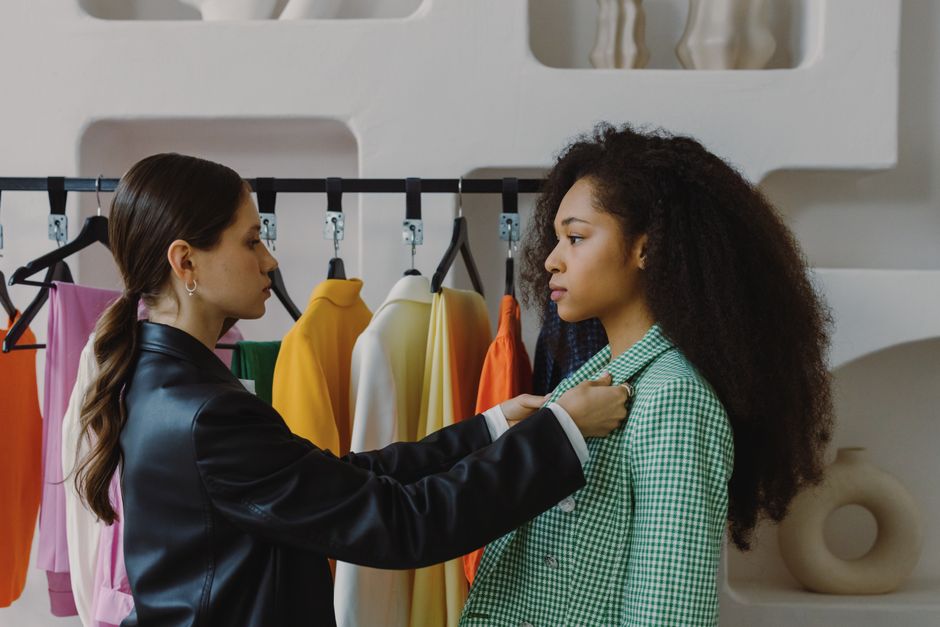
Create two reliable formulas for ordinary class days. One might be straight-leg jeans, a fitted tee, a cardigan, and clean sneakers. The second could be wide-leg trousers, a tucked knit top, a belt, and loafers or simple flats. Wear each formula twice with small changes. This is not repetitive dressing; it is evidence gathering. You learn which waistbands stay comfortable during long lectures, which fabrics survive a crowded laundry room, and which shoes handle a fifteen-minute walk across campus.
Week two: add contrast
Use one relaxed item with one sharper item. Pair a loose sweatshirt with tailored trousers, or a soft skirt with a structured overshirt. Contrast keeps a small wardrobe from looking like a uniform while protecting the budget. Avoid buying a new item just because an outfit feels plain. First change the tuck, roll the sleeves, add a belt, or switch the shoe.
Weeks three and four: test the gaps
Track what you reach for and what stays untouched. If every outfit needs the same layer, that layer may deserve a second color. If one bottom only works with one top, it is a weak purchase. If your shoes hurt after a normal day, comfort is not a luxury; it is a missing wardrobe function. Use the $35 reserve only after this test. The practical conclusion is that a wardrobe earns its final purchases through repeated wear, not through a single shopping trip.
Buy one polished anchor, not five cheap trends
Best low-risk pieces for the base
Uniqlo AIRism Cotton T-Shirt, with a target price near $20, is a useful base when you want a smooth tee that can sit under sweaters and jackets. For denim, set a ceiling of about $50 to $80 for a pair such as Levi’s 501 Original Jeans. The specific fit matters more than the label: check that you can sit comfortably and that the hem works with your everyday shoes.
Best personality pieces by use case
For daily walking, Converse Chuck Taylor All Star sneakers are a recognizable option with a target budget near $65, but they are not the best choice for every foot. Students who need more cushioning should direct the same money toward a supportive walking sneaker. A Baggu Medium Crescent Bag, often planned around the $55 range, adds color and hands-free storage without requiring a full outfit change.
My clear pick for a first shopping trip is one well-fitting bottom, one polished layer, and one comfortable shoe. Do not buy five trend pieces from the same retailer. That approach creates visual noise, weak outfit combinations, and a closet full of items that compete with one another.
Which pieces deserve a higher budget?
Should jeans cost more than tops?
Usually, yes. A bottom has to handle sitting, walking, washing, and repeated styling. Spend more on the item that fits your body best, not automatically on the item with the highest brand status. Levi’s 501 Original Jeans can be a reasonable benchmark, but a sale pair from another brand may serve you better if the rise or hip measurement works.
When should you skip a popular item?
Skip the Converse Chuck Taylor All Star if the flat sole causes discomfort during campus walks. Skip a cropped jacket if it only works over one top. Skip a delicate light-colored knit if your living situation makes careful laundry difficult. These are not failures of taste. They are mismatches between the item and its daily job.
Is a designer-inspired bag worth the money?
Not at this budget if the bag consumes more than one quarter of the total. Choose a durable mid-priced bag, such as the Baggu Medium Crescent Bag, when you need hands-free storage and an easy wash routine. The verdict is to spend on fit, comfort, and frequency of use. A famous label should not outrank those three facts.
Avoid the budget traps that make clothes look cheap
Trap one: buying for a fantasy schedule
College life may include presentations, parties, internships, rainy walks, and long days that begin at 8 a.m. Buying only for an imagined weekend wardrobe leaves practical gaps. Before paying, name the real setting, weather, shoes, and laundry conditions the item must handle.
Trap two: ignoring alterations and care
A $45 pair of trousers may need a $12 hem. That can still be a strong purchase if you wear it twice a week. Check seams, buttons, transparency, and fabric recovery in the fitting room. Wash according to the label, and do not use high heat on stretch denim or delicate knits. Small care mistakes can erase the value of a good buy.
Trap three: confusing cheap with affordable
The cheapest item is not always the most affordable choice. An $8 top that twists after two washes is more expensive than a $20 top worn for a full semester. For the student starting with an empty closet, the resolution is a compact rotation: neutral bottoms, repeatable tops, one strong layer, and shoes that can survive the walk to class. That is how the original $500 becomes a chic working wardrobe instead of a crowded pile of discounts.