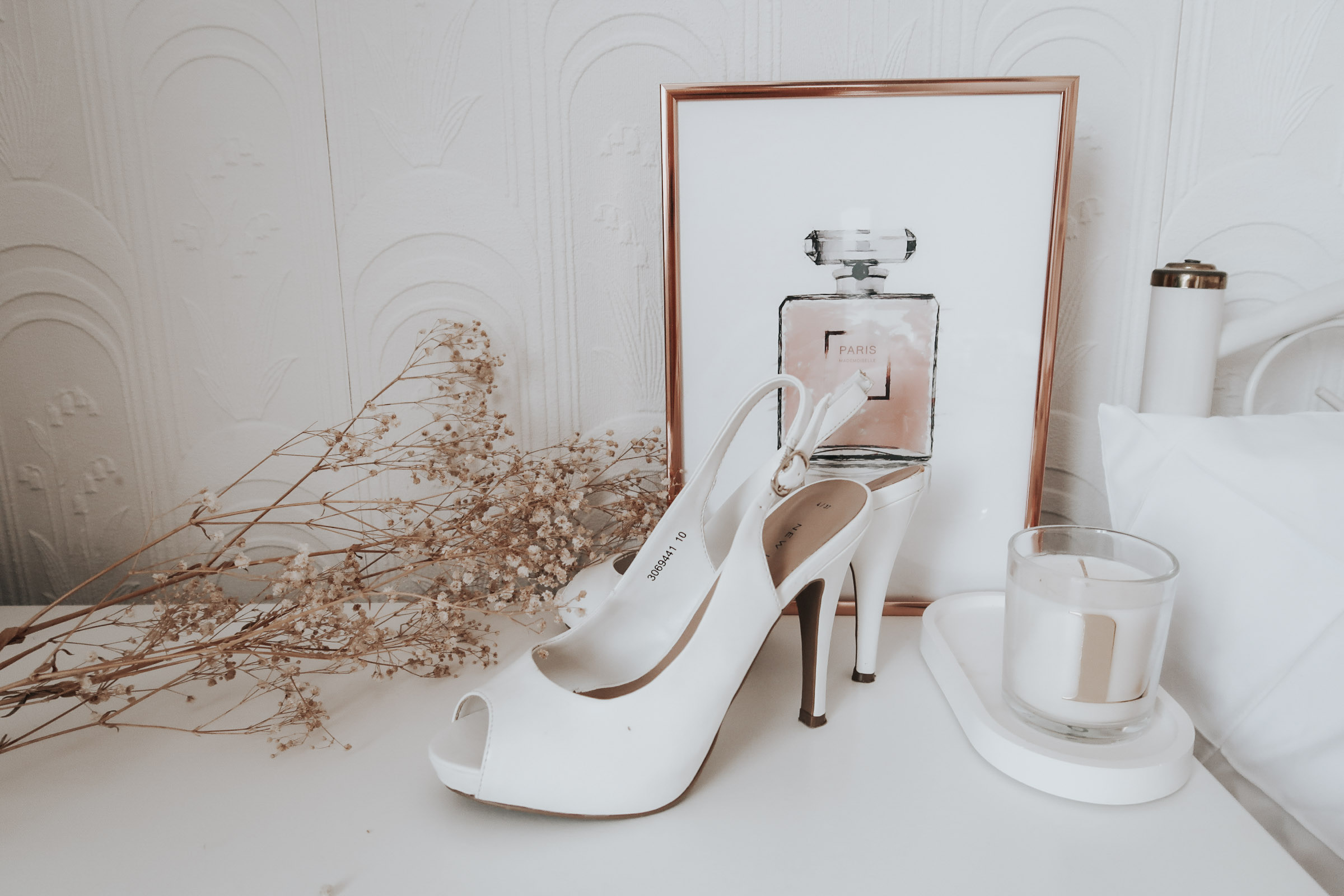
You bought your first pair of heels. You stood up. You took one step. And now you’re wondering if your ancestors made a terrible evolutionary mistake by giving you ankles. I’ve been there. After twelve years of wearing heels for everything from office meetings to weddings to nights out that ended with me barefoot on a subway platform, I can tell you one thing for sure: most heel pain is preventable. You just need the right shoes and the right technique.
This guide covers exactly that. No affiliate links. No fluff. Just what I wish someone had told me before I spent $120 on a pair of stilettos I wore exactly once.
Why Do High Heels Hurt So Much?
Heels hurt because they force your foot into a position it wasn’t designed for. Your foot naturally wants to be flat. When you shove it into a 4-inch slant, you’re compressing the toes, shifting your entire body weight onto the balls of your feet, and shortening your Achilles tendon. That’s the first principles explanation.
But here’s the thing: not all heel pain is inevitable. A lot of it comes from bad shoe design, not from the heel itself.
The three biggest pain drivers are:
- Toe box too narrow — Your toes get crushed together. This causes bunions, blisters, and that numb feeling after 30 minutes.
- No arch support — Your foot’s natural arch collapses under the weight shift. Your plantar fascia takes the hit.
- Heel pitch too steep — The angle from heel to toe is so aggressive that your foot slides forward. All your weight ends up on the metatarsal pads.
So the fix isn’t “don’t wear heels.” The fix is buy better heels and train your body to handle them.
How to Pick Your First Pair of Heels
Your first pair should not be a stiletto. I’m serious. Stilettos are for people who already have the ankle strength and balance. Start with something that gives you a fighting chance.
Heel Height: Start at 2 Inches
2 inches (about 5 cm) is the sweet spot. You get the leg-lengthening effect without the agony. Brands like Clarks and Naturalizer make excellent 2-inch block heels. The Clarks Linvale Lola costs around $80 and has a cushioned insole that actually works. I’ve worn mine for 8-hour days without wanting to amputate my feet.
Heel Shape: Block or Wedge First
Block heels distribute your weight over a larger surface area. Wedges do the same, plus they give you more stability side-to-side. Avoid stilettos and skinny kitten heels until you can walk confidently in a 3-inch block heel for at least an hour.
Toe Box: Almond or Round
Pointy toes look elegant. They also look like medieval torture devices when you wear them for more than 20 minutes. For your first pair, get an almond-shaped or round toe. The Sam Edelman Hazel (about $110) has a rounded almond toe that doesn’t crush your pinky toe. I own two pairs.
Material: Leather > Synthetic
Leather stretches and molds to your foot. Synthetic materials don’t. If you’re on a budget, look for Cole Haan outlet deals — their leather pumps start around $70 and last years.
| Feature | Beginner-Friendly | Avoid |
|---|---|---|
| Heel height | 2 inches (5 cm) | 4+ inches (10+ cm) |
| Heel type | Block or wedge | Stiletto or skinny kitten |
| Toe shape | Almond or round | Sharp point |
| Material | Leather | Synthetic patent |
| Arch support | Yes (Vionic, Naturalizer) | Flat insole |
How to Walk in High Heels (The Technique)
Walking in heels isn’t natural. You have to relearn your gait. Here’s the method that actually works.
Heel-to-Toe, Not Flat-Footed
Most beginners slap their whole foot down at once. That’s wrong. You want to land on your heel first, then roll through the ball of your foot, then push off with your toes. It feels weird at first. Practice it barefoot on a flat surface before you put the heels on.
Shorten Your Stride
Your natural walking stride is too long for heels. Cut it in half. Take smaller, more deliberate steps. This keeps your center of gravity over your feet instead of pitching you forward.
Engage Your Core
This isn’t yoga Instagram advice. If you let your stomach relax, your lower back arches and your hips sway too much. That makes you unstable. Tighten your abs slightly and keep your shoulders back. You’ll feel more balanced immediately.
Look Ahead, Not Down
Looking at your feet makes you hunch forward. That shifts your weight onto your toes and makes the heels hurt more. Look straight ahead. Trust that your feet know where the ground is.
The 3 Most Common Beginner Mistakes
I made all of these. You don’t have to.
Mistake 1: Buying the wrong size. Heels need to fit snugly, but not tight. Your foot slides forward when you walk, so you need about a thumb’s width of space between your longest toe and the end of the shoe. If your toes are hitting the front, the shoe is too small. Size up half a size for pointed toes.
Mistake 2: Skipping the break-in period. New leather heels need time to mold to your feet. Wear them around the house for 30 minutes a day for a week before you take them out. Use a hairdryer on low heat to warm the leather and stretch it slightly while you wear thick socks.
Mistake 3: Wearing heels every day too soon. Your feet, ankles, and calves need to build strength. Start with one hour twice a week. Increase gradually. If you jump into 8-hour days, you’ll get plantar fasciitis or Achilles tendinitis. I got both. Not fun.
When NOT to Wear High Heels
Heels aren’t for every situation. Here’s when you should leave them at home.
Long walking days. If you’re going to be on your feet for more than 3 hours straight, especially on hard surfaces like concrete or marble, wear flats. Heels will wreck your feet and your posture. I learned this at a museum where I spent 4 hours in 3-inch heels. I couldn’t walk properly for two days.
Uneven terrain. Cobblestones, grass, gravel, stairs without handrails — all of these are dangerous in heels. The risk of falling isn’t worth the look. Wear wedges if you absolutely need height on uneven ground. Wedges grip better than stilettos.
When you need to run or move quickly. If your evening involves catching trains, chasing kids, or dancing aggressively, heels are a liability. Bring a pair of foldable flats in your bag. The Rothy’s The Point flats ($145) fold flat and take up almost no space. Or get a cheap pair of ballet flats from Target for $15 and toss them when they wear out.
How to Make Any Heel More Comfortable
Even with the perfect shoe, you might need some help. Here are the upgrades that actually work.
Gel Insoles
Dr. Scholl’s Massaging Gel Insoles for High Heels ($10) are the cheapest fix. They add a layer of cushion under the ball of your foot. Replace them every 3 months.
Toe Spacers
If your toes get squished, silicone toe spacers ($8 for a pack of 10 on Amazon) keep them separated. They look weird but they work. No one sees them inside the shoe.
Heel Grips
If your heel slips at the back, you need heel grips. The Foot Petals Strips ($7) are thin, adhesive-backed foam pads. They prevent blisters and keep your foot from sliding forward.
Stretching Before and After
Before you put heels on, stretch your calves and Achilles for 30 seconds each. After you take them off, do the same. This prevents the muscle shortening that makes your calves feel tight the next day.
The Best Brands for Beginner Heels (2026 Edition)
Not all brands are equal. Some design for catwalks. Some design for real people who need to walk to the subway. Here are the ones worth your money.
Naturalizer — Their entire line is built around comfort. The Naturalizer Bristol pump ($100) has a 2.5-inch block heel, a removable insole, and a rounded toe. It’s the shoe I recommend to everyone starting out.
Vionic — Podiatrist-designed. Their heels have built-in orthotic arch support. The Vionic Kimmie ($130) is a 2.5-inch block heel that feels like a walking shoe. I wore mine to a wedding and danced for 4 hours. No blisters.
Clarks — Reliable, affordable, and padded. The Clarks Adriel Viola ($85) is a 2-inch wedge with a cushioned footbed. It’s boring but it works.
Cole Haan — Their Zerogrand line combines Nike cushioning with heel shapes. The Cole Haan Zerogrand Pump ($150) has a 2.75-inch heel and a foam sole that absorbs shock. Expensive, but worth it if you wear heels regularly.
Sam Edelman — Trendy shapes with better-than-average comfort. The Sam Edelman Hazel ($110) has a 2.5-inch block heel and a leather lining that doesn’t cause blisters. I own three colors.
So back to your first pair. You stood up. You took a step. And now you know: the pain isn’t inevitable. It’s fixable. Start with a 2-inch block heel from Naturalizer or Clarks. Walk heel-to-toe. Shorten your stride. Give your feet time to adapt. And if something hurts, stop wearing it. Your feet are not a sacrifice you have to make for fashion.