I spent one month dressing from 15 clothing items, two pairs of shoes, and a small set of accessories. The experiment was not about owning as little as possible. It was about finding the smallest wardrobe that still handled work, errands, weather changes, and ordinary social plans.
What Counts in a 15-Item Wardrobe?
Count clothing by function, not by hanger
My 15 items included five tops, four bottoms, two layering pieces, two dresses, and two outerwear pieces. Shoes, underwear, sleepwear, gym clothes, coats needed for severe weather, and accessories stayed outside the count. This matters because a strict count can become misleading. A person who wears a uniform to work needs fewer office pieces than someone who moves between a desk, school pickup, and dinner.
The goal was a useful wardrobe, not an artificial challenge. Each item needed to work with at least three others. Anything that only created one outfit was removed before the month began.
The test for a genuinely useful item
I kept a garment only when it passed three checks: it fit comfortably after sitting for an hour, worked with my chosen color palette, and survived the weekly laundry routine. A beautiful item that needed special care every few days did not earn its place. Repeatability was the main test, because a capsule wardrobe succeeds through reliable combinations rather than constant creativity.
My 15-Item Capsule Wardrobe List
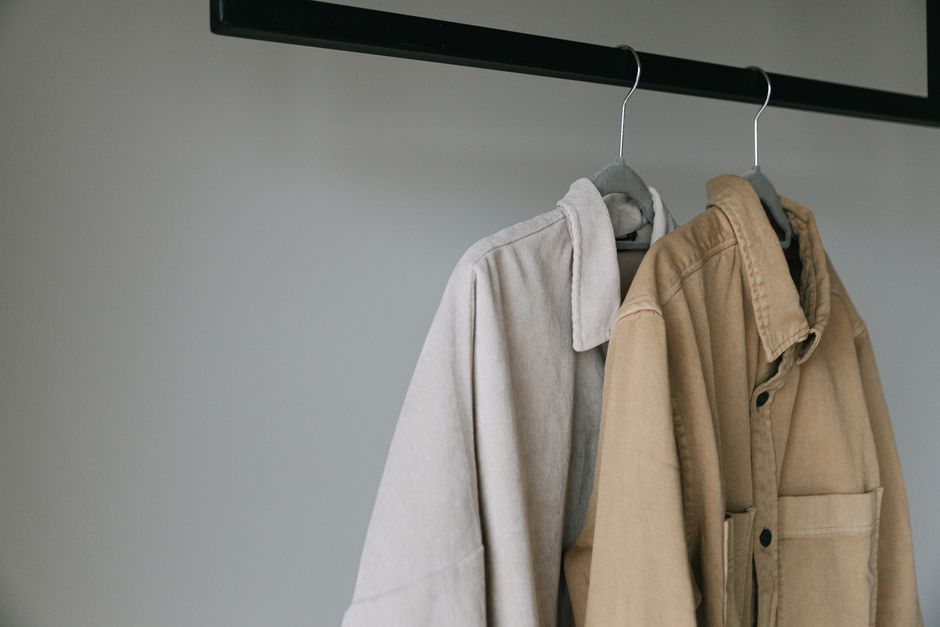
The final selection leaned casual but polished. I needed clothes for remote work, grocery trips, casual meetings, and two slightly dressier evenings. Neutral colors formed the base, while one muted red and one striped piece prevented the wardrobe from looking flat.
The clothing count
| Category | Items | Why it stayed |
|---|---|---|
| Tops | White tee, black tee, striped shirt, blue button-down, fine-knit sweater | Five tops covered casual and smart-casual outfits |
| Bottoms | Levi’s 501 Original jeans, black straight-leg trousers, olive chinos, denim midi skirt | Four silhouettes changed the mood of each outfit |
| Layers | COS wool-blend blazer, lightweight cardigan | Both added warmth and structure |
| Dresses | Black shirt dress, printed day dress | One-step outfits reduced decision time |
| Outerwear | Light trench coat, quilted jacket | Handled rain, wind, and cool mornings |
The two-shoe limit
I used Converse Chuck 70 high-tops for casual days and Dr. Martens 1461 three-eye Oxfords for polished outfits. That combination covered walking, denim, dresses, and trousers. The Converse offered a canvas upper and flexible rubber sole; the Dr. Martens added a firmer leather shoe with a more formal shape. A third pair would have added variety, but it would not have solved a real gap.
How I Built 30 Days of Outfits
The wardrobe produced more combinations than I expected, but only after I stopped treating every outfit as a new invention. I planned around repeatable formulas and changed one visible element at a time.
The outfit formulas that worked
- Wear a fitted or tucked top with a wider bottom, then add a structured layer.
- Pair a loose shirt with straight trousers and a neat shoe to keep the shape intentional.
- Use the black shirt dress as a base, then change the cardigan, jacket, or shoes.
- Repeat the same jeans for several days, but alter the top color and sleeve length.
- Use one standout element, such as the striped shirt or printed dress, instead of adding several loud pieces.
The laundry rule that kept the system practical
I washed tops after one to three wears, trousers after four to six wears, and outer layers only when they needed cleaning. I aired items overnight and kept one reserve outfit ready for unexpected spills. Without that rule, 15 items would have felt restrictive. With it, laundry became part of the wardrobe plan instead of an emergency.
What Failed by the Second Week
My strongest verdict is simple: the 15-item limit worked, but only after I admitted that some versatile-looking clothes were poor performers. The problem was not a lack of options. It was choosing pieces that looked useful on paper but felt wrong during normal days.
The uncomfortable pieces became obvious
One stiff pair of trousers stayed untouched for ten days because the waistband dug in when I sat. A delicate blouse also failed because it needed careful washing and made casual outfits feel overdressed. Those pieces had attractive colors and good outfit potential, yet neither supported repeated wear. Comfort became more important than visual variety after the first week.
Too many similar neutrals create a quiet problem
I initially chose three dark tops because they seemed easy to match. They were easy to match, but they made several outfits look nearly identical. The blue button-down and striped shirt earned more wear because they changed the outfit’s contrast. The lesson was not to avoid black. It was to avoid spending half the wardrobe on pieces that perform the same visual job.
How Color and Fabric Control Outfit Variety
A small wardrobe needs contrast, but contrast does not require bright colors. It can come from texture, proportion, finish, and temperature. My best combinations paired one smooth piece with one textured piece, or one relaxed shape with one sharper shape.
Choose a three-part color system
Start with two base colors, one light neutral, and one accent. My base colors were black and denim blue, the light neutral was white, and the accent was olive. This gave every top at least two obvious bottom options. A tight color system also made shoes and outerwear easier to repeat. The mistake is choosing only colors that match; a wardrobe can coordinate perfectly and still look dull. Add one stripe, print, or muted color for visual change.
Use fabric weight to handle repeat wear
Light cotton worked for warm days, while a fine-knit sweater and wool-blend blazer handled cooler mornings. Denim and twill bottoms held their shape better than thin jersey when worn several times in a week. I also learned to separate fabrics by care needs. A garment that requires dry cleaning after every few wears is expensive in time, even when its purchase price is low. Fabric behavior matters more than fabric labels: check stretch, wrinkle recovery, opacity, and how the material feels after sitting.
Questions I Had Before Starting
The experiment answered more practical questions than style questions. These were the questions that shaped my final judgment.
Can 15 items cover dressier plans?
Yes, but only when one or two pieces have enough polish. My black shirt dress handled dinner with the Dr. Martens 1461 Oxfords and blazer. The same dress looked relaxed with Converse Chuck 70 high-tops and a cardigan. A capsule wardrobe does not need separate clothing for every event; it needs at least one adaptable outfit with a clear change in shoes or layers.
Should basics come from the same brand?
No. Matching brands did not improve the outfits. A Uniqlo AIRism Cotton T-Shirt supplied a clean casual base, while a Levi’s 501 Original added a more defined denim shape. The better rule is matching fit and fabric weight. Brand consistency matters less than how the pieces sit together.
Who should not try a 15-item wardrobe?
It is a poor fit for people who need protective workwear, frequent formal outfits, or clothing for several climates at once. It also fails when laundry access is limited. A 20- or 25-item system is more honest for those situations. The number should serve the schedule, not become a test of discipline.
Is a 15-Item Wardrobe Worth It?
For a mostly casual lifestyle with regular laundry access, 15 items is an effective target. It reduced morning decisions, showed me which clothes I actually liked, and made weak purchases impossible to ignore. I stopped buying pieces for imaginary occasions and started judging them by comfort, repeat wear, and outfit range.
The best result was not owning less
The useful change was knowing why each item existed. The black trousers solved polished work outfits. The denim skirt added a different proportion. The trench handled wet commutes. Every piece had a job, and several had more than one. That clarity made getting dressed faster without making personal style disappear.
What I will change next month
I will keep the 15-item limit as a planning tool, but I will allow seasonal swaps. Heavy knitwear can replace the lightweight cardigan in winter, while linen can replace the sweater in summer. The future of capsule dressing is not one permanent uniform. It is a smaller, sharper wardrobe that changes with real life and still leaves room for personality.