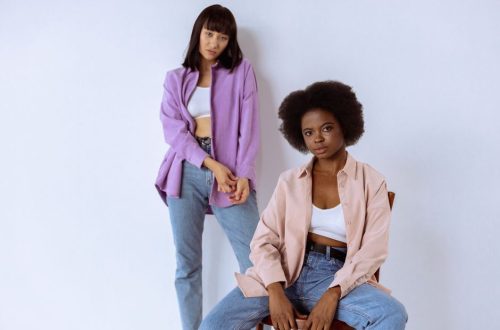
A travel capsule does not mean packing ten identical beige outfits. The common misconception is that minimalist packing requires sacrificing style, comfort, or weather protection. The real goal is to choose ten pieces that share a color system, layer well, and cover the places you will actually visit. This is not legal advice — consult a licensed attorney.
What belongs in a 10-piece travel capsule?
The strongest capsule starts with outfit coverage, not a random list of basics. Ten pieces should create enough combinations for city walking, casual dinners, changing temperatures, and at least one polished look. Shoes, underwear, sleepwear, accessories, and toiletries sit outside this count because they serve different functions.
The most useful ten-piece formula
| Piece | Recommended specification | Why it earns space |
|---|---|---|
| 1 lightweight jacket | Water-resistant, hip length | Handles wind, light rain, and cool evenings |
| 1 knit layer | Fine merino or cotton blend | Adds warmth without bulky fleece |
| 3 tops | Two neutral, one accent color | Creates different looks across several days |
| 2 bottoms | One trouser, one jean or skirt | Balances comfort with a sharper outfit |
| 1 simple dress | Knee or midi length, wrinkle resistant | Works for sightseeing and dinner |
| 1 overshirt or cardigan | Soft structure, easy layering | Acts as a second jacket indoors |
| 1 walking-friendly shoe | Low profile, broken in before departure | Supports long days on pavement |
The outfit math behind the list
Three tops with two bottoms already create six combinations. Adding the dress creates a seventh base outfit, while the jacket, knit, and overshirt change the temperature range and visual shape. The verdict is clear: prioritize pieces that can be worn in at least three combinations. A beautiful top that works with one bottom is a poor use of luggage space.
How should you choose fabrics for mixed European weather?
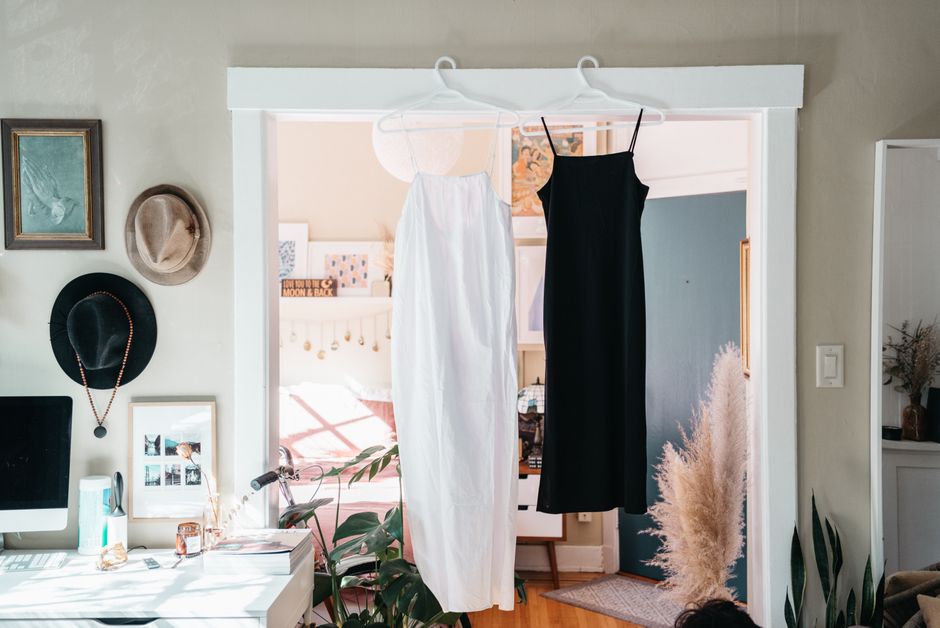
Fabric choice matters more than color when a trip moves from a cool morning in Amsterdam to a warm afternoon in Rome. A capsule needs materials that dry at a reasonable speed, resist odors, and remain comfortable after hours of walking. That does not mean every garment must be technical travel clothing. A polished wardrobe works best when natural fibers handle comfort and a small amount of performance fabric handles weather.
Use a three-layer fabric system
Start with a breathable base layer such as cotton, Tencel, or lightweight merino. Merino is especially useful because it regulates temperature and can often be worn more than once before washing. Add a mid-layer with enough room for a shirt underneath; a thin knit is more useful than a thick sweater that only works in cold conditions. Finish with a compact outer layer that blocks wind and sheds light rain.
Match the fabric to the failure you fear
If your main concern is rain, choose a tightly woven or treated outer layer and pack a small umbrella only when the forecast supports it. If you fear overheating, skip heavy denim and thick polyester linings. If laundry access is uncertain, avoid delicate fabrics that demand dry cleaning. The most reliable travel capsule uses one washable knit, two easy-care tops, and bottoms that do not show every crease. Avoid building the wardrobe entirely from linen for a city trip unless you accept visible wrinkles as part of the look. The best fabric plan is a balanced one: breathable against the skin, durable at the knees and seat, and protective on the outside.
Which color system makes ten pieces look intentional?
Choose two base colors and one accent, then make every garment work with at least one base color; navy with cream and burgundy gives a softer European feel, while black with white and red looks sharper and photographs well, but mixing black, brown, navy, gray, and several bright colors usually creates separate mini-wardrobes instead of one capsule, so the strongest verdict is to select the palette before shopping, repeat the accent color only twice, and use texture through knitwear, denim, suede, or a matte rain layer rather than adding more shades.
Keep contrast near the face if you want outfits to feel less plain, but place the most practical colors on bottoms and outerwear because they hide dust from trains, café tables, and long walking days more effectively; a cream shirt can look fresh with dark trousers, while a dark jacket can make a pale dress feel more polished, and the result is enough visual variety without relying on statement jewelry or a different outfit for every photograph.
For most travelers, black, ivory, and muted red are the clearest choice because they transition from daytime sightseeing to dinner with minimal styling, but olive, camel, navy, and cobalt can replace any of those colors if they suit your existing closet better.
What should you buy when comfort and polish compete?

Buy the piece that solves a real travel problem first. A garment can look excellent online and still fail after eight hours of walking, a crowded train ride, or an unexpected shower. These specific examples show how to judge the category without turning the article into a product roundup.
- Choose the knit layer carefully. The UNIQLO Extra Fine Merino Crew Neck Sweater uses 19.5-micron, 100% wool and is designed for machine washing. It is the best pick for a compact, polished layer because it fits under a jacket and does not look like gym clothing. Do not buy it if you dislike wool or need a very loose fit for heavy layering.
- Make the outer layer packable. Patagonia’s Women’s Nano Puff Jacket uses recycled insulation and a quilted shell that compresses more easily than a wool coat. It is the strongest choice for cool shoulder-season trips when warmth and luggage space matter. It is not the right choice for a formal itinerary where a tailored wool coat is part of the intended look.
- Pick one forgiving bottom. The Everlane Way-High Jean uses 96% organic cotton, 1% elastane, and 3% other fiber. The small amount of stretch helps on train rides, while the straight shape works with sneakers, loafers, or boots. Skip it if your trip is hot and humid, since cotton denim dries slowly after washing.
- Use a washable second shoe only when needed. The Birkenstock Arizona EVA is made from one piece of molded EVA and is waterproof, washable, and light. It earns space on beach, spa, or hot-weather trips, but it should not replace a supportive walking shoe for museums and cobbled streets.
The concrete recommendation is to spend more attention on fit and break-in time than on labels. A $30 shirt that dries overnight can be more useful than a delicate designer blouse, while a premium shoe that rubs your heel still fails the trip.
When should you skip a minimalist capsule?

Should you pack differently for northern and southern Europe?
Yes. A ten-piece capsule is most effective when the trip has a clear weather range. For Copenhagen, Edinburgh, or Amsterdam in spring, give the jacket and knit layer priority, and choose closed shoes with grip. For Barcelona, Athens, or Lisbon in summer, replace the heavier knit with a breathable shirt and choose a skirt or relaxed trouser that allows airflow. Trying to make one tiny wardrobe cover freezing rain and hot sunshine usually produces too many compromises.
Is a capsule a bad idea for formal travel?
It can be. If the itinerary includes weddings, business meetings, or several dress codes, add a dedicated blazer, formal shoe, or occasion dress instead of pretending that casual basics can cover every setting. Minimalism should reduce unused clothing, not hide a mismatch between the suitcase and the schedule.
What is the final ten-piece recommendation?
Pack one water-resistant jacket, one fine knit, three tops, two bottoms, one simple dress, one overshirt or cardigan, and one walking-friendly shoe. Keep the palette to two base colors and one accent. Test every item in at least three outfits before packing. For most European city trips in 2026, this formula gives the best balance of comfort, repeat wear, and visual variety. The clear winner is a capsule built around washable fabrics, a broken-in walking shoe, and one polished layer that can carry dinner plans without a full outfit change.