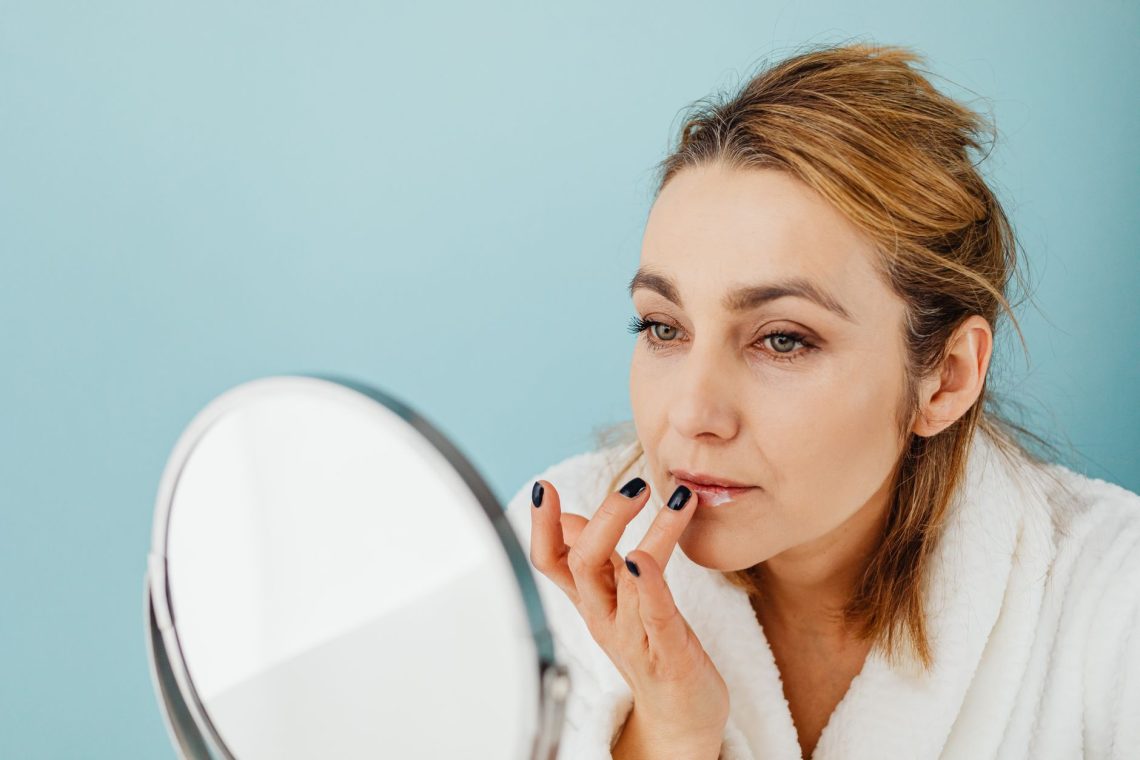
The heating is on, your jumper is finally warm, and your lips have started to feel tight. A comfortable room can still leave lip skin feeling dry, especially when you move between chilly streets and heated offices. The answer is usually a few consistent habits, rather than a drawer full of treatments.
Start with a simple balm, keep it somewhere useful and pay attention to what happens between applications. Licking, rubbing and peeling away little flakes can undo the comfort you are trying to build. Here is how to make lip care fit around an ordinary winter day, including lipstick, hot drinks and evenings with the radiators on.
Choose a balm you can leave alone
A good everyday lip balm does not need to taste delicious or create a dramatic sensation. For dry, uncomfortable lips, start with a plain, fragrance-free option. A simple petrolatum-based balm or ointment is one choice: it leaves a protective layer over the surface and helps reduce moisture loss.
Look for something that feels comfortable after application, without tingling, cooling or burning. Those sensations are not a useful measure of whether a balm is working. If a product makes you want to lick your lips, or leaves them feeling more irritated, set it aside. The most appealing packaging is little help if the formula does not suit you.
You may prefer a stick at your desk and a thicker ointment at home. That is fine; texture is partly about convenience. There is no need to buy several products if one straightforward balm works well for you.
Apply it at useful moments
Rather than waiting until your lips feel painfully tight, link balm to things you already do. Apply a comfortable, even layer after your morning wash, after eating and before bed. Reapply when the coating has worn away or your lips start to feel dry again. A fixed hourly schedule is unnecessary.
If you have just washed your face, gently pat away excess water before applying balm. Your lips should not be dripping, and you do not need to wet them deliberately each time. Avoid dragging a hard stick repeatedly over tender areas; a softer formula applied with a clean fingertip may feel easier.
- Keep your daytime balm beside your hand cream or in the bag you actually carry.
- Replace the cap promptly so the applicator stays clean.
- Wash your hands before taking product from a pot.
- Avoid sharing lip products, even when a friend has forgotten theirs.
Use enough to coat your lips, rather than repeatedly piling on a thick layer. At bedtime, a slightly more generous coating can be comfortable, but it should not feel messy or spread far beyond the lip line.
Break the lick, dry, repeat habit
Licking can briefly make lips feel smoother, which is why it is so easy to repeat without noticing. As saliva dries, that comfortable feeling disappears, and repeated licking can leave the lips and surrounding skin more irritated. Try to catch the movement rather than blaming yourself for doing it.
Place your balm within reach during the moments when you tend to lick: concentrating at a laptop, watching television or waiting for a kettle. When you notice the urge, relax your mouth and apply a little balm if needed. You are replacing an automatic gesture with a gentler one.
Flavoured balms and sweet lip glosses can be particularly tempting to lick off. If you keep tasting a product, switch to an unflavoured version. Balm belongs on the surface; repeatedly licking it away removes the layer you have just applied. You do not need to scrub your lips clean before every fresh application.
Clear away food gently
After a meal, remove food from your lips with a soft napkin or a little water, then pat dry and reapply balm. Avoid repeatedly running your tongue around the lip line to collect sauce, salt or crumbs. That small habit can become surprisingly frequent over a working lunch or an evening of snacks.
If spicy, salty or acidic foods sting already sore lips, choose something more comfortable while the skin settles. There is no need to ban entire food groups as a beauty rule. Pay attention to your own comfort, and avoid leaving irritating residue sitting around your mouth.
Let very hot drinks cool enough to sip comfortably. Press a tissue lightly against the mouth if necessary, instead of wiping backwards and forwards. The same gentle approach helps when removing toothpaste from the corners after brushing: rinse away the residue, pat dry and follow with your usual balm.
Leave flakes attached
A visible flake can make exfoliating seem like the obvious next step, particularly before lipstick. Resist pulling it away with your teeth or fingers. It may still be attached to tender skin underneath, and picking can turn a small rough patch into a sore spot.
While lips feel dry or sensitive, put gritty scrubs, toothbrush buffing and exfoliating acids aside. Even a homemade sugar mixture can be too abrasive when you rub it over delicate skin. Softening the surface with balm is a more comfortable starting point than trying to polish it smooth.
When washing, let loose skin come away without forcing it. Do not keep checking with a fingernail to see whether an edge will lift. If you notice yourself picking while reading or scrolling, give your hands another task and keep the balm nearby.
Make lipstick easier to wear
Apply balm early in your morning routine, then give it time to settle while you do the rest of your make-up. Before adding lip colour, blot off excess gently. A very slippery surface can make liner wander or lipstick transfer, so aim for comfort without a heavy coating.
On rough days, a creamy lipstick or lightly tinted balm may feel more forgiving than a long-wearing matte formula. Let comfort guide the choice. If colour catches on flakes, adding more layers often makes the texture more noticeable. Consider using less pigment and leaving the surface alone.
Remove lip colour with a suitable gentle remover, following its instructions, and avoid repeated scrubbing. Keep facial exfoliants, retinoids and fragranced skincare away from the lips themselves. Finish with your plain balm once the area is clean.
Adjust the room where you can
You may have little say over office heating, but you can avoid sitting directly in a stream of warm air. At home, move your usual chair a little farther from a radiator if your face feels hot and dry there. Keep the room comfortable rather than turning the heat up unnecessarily.
If you use a humidifier, follow its cleaning and maintenance instructions carefully. It is an optional room accessory, not a replacement for lip care. Keep drinking water normally throughout the day, too, without expecting extra glasses to act like a topical balm.
Keep the routine simple enough to repeat
For an ordinary heated-air day, the essentials are modest: a comfortable balm in the morning, gentle cleaning after meals, reapplication when needed and a final layer at bedtime. Skip licking, picking and products that sting. Consistency is more useful than adding a new treatment every evening.
If your lips stay sore despite gentle care, or develop persistent cracks, bleeding or a patch that does not heal, ask a pharmacist or GP for advice. Dryness is not a reason to keep experimenting indefinitely. For everyday comfort, give your lips a quiet routine and leave the protective layer in place.