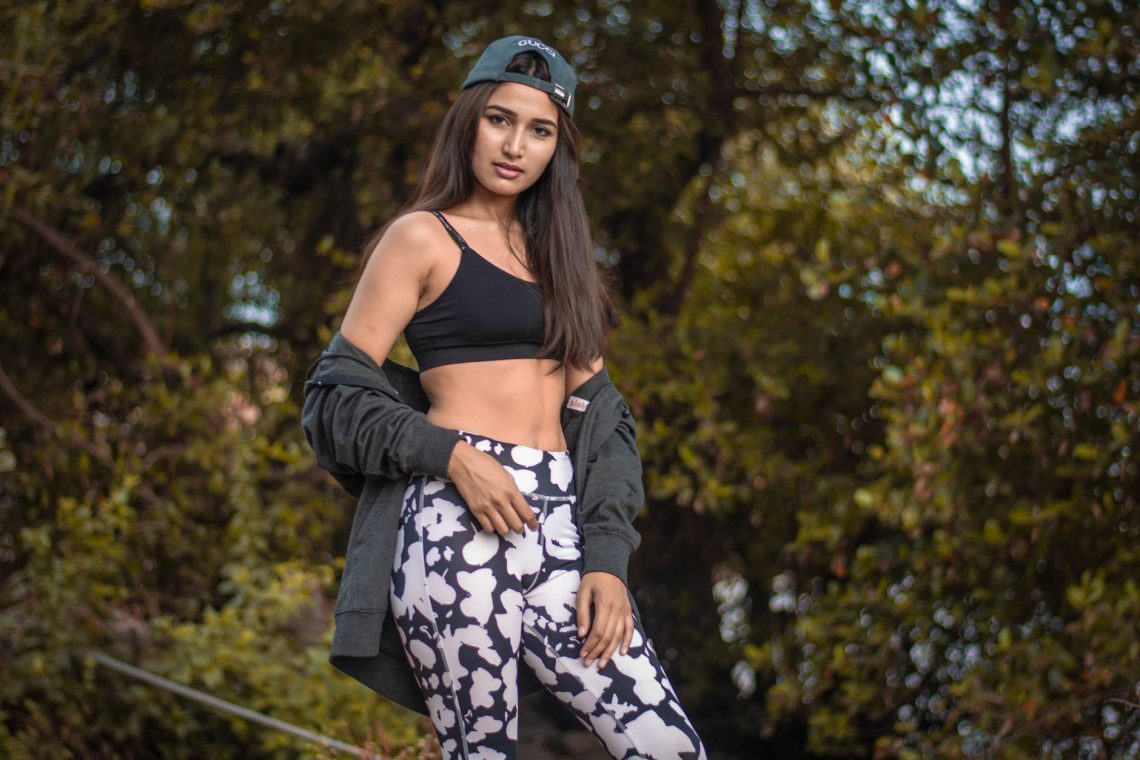
A good gym-to-street jacket makes the walk home feel less like an extension of your workout. It gives you the coverage you want over leggings, shorts or a fitted training top, while looking considered enough for a coffee stop or a few errands. The useful question is not simply whether a jacket is oversized. It is whether its length, shape and fabric work with the clothes underneath.
Start with your actual journey: how far you walk, what you carry and where you tend to stop. Then choose an outer layer that feels comfortable once you are moving and still sits well when you fasten it. Here is how to find that balance without building an entirely separate outfit.
Decide what you want the jacket to cover
Coverage means different things to different people. You might want a hem that sits below your bottom, a front that covers the waistband of your leggings, or sleeves that make a sports bra and shorts feel more dressed. Decide which matters before getting distracted by a colour or collar.
Try the jacket over your usual workout clothes and check it from the front, side and back. A curved hem can look long on a hanger yet rise noticeably at the sides. A straight hem gives a more even outline, while a dipped back offers extra coverage behind without adding as much fabric at the front.
If you prefer coverage over fitted shorts, check where both hems finish together. A jacket that completely hides the shorts can make the outfit feel unbalanced to you. A slightly shorter layer or an open front can leave enough of the shorts visible to make the proportions feel intentional.
Choose a shape that suits the walk
The longline shell
A lightweight shell is a useful starting point when you want coverage without much bulk. Look for a relaxed body, comfortable armholes and a hem that does not catch across your hips. A back vent or adjustable opening can help a longer jacket move with your stride.
For a cleaner street look, choose a simple front and restrained detailing. Large contrasting panels and prominent technical pockets create a sportier effect; a plain finish is easier to combine with everyday bags and trainers. Neither is wrong, but it helps to know which direction you prefer.
The relaxed overshirt
An overshirt works well for a dry, mild journey when your priority is an easy, dressed finish. A softly structured version can skim over a close-fitting top and leggings without looking stiff. Check that it closes comfortably across your chest and hips, even if you expect to wear it open most of the time.
Pay attention to weight. A dense overshirt may feel appealing in the changing room but cumbersome in a gym bag. A lighter version is easier to carry, though it may offer less warmth. Think of it as an outfit layer rather than assuming it will handle every kind of weather.
The light parka or roomy zip jacket
A light parka is worth considering if you like a hood and adjustable coverage. A roomy zip jacket can also work, provided its hem reaches the point you want to cover. Avoid choosing by the garment name alone: a generous bomber may still finish above your waistband.
If there is a drawcord, try it both loose and gently tightened. A little definition can stop a long jacket feeling shapeless, but a tightly cinched waist may pull fabric up over your hips and reduce the coverage you chose it for.
Check ease, rather than just sizing up
Buying a larger size does not always create a better fit. It may add sleeve length and shoulder width while leaving the hem too narrow. Look for a cut with room where you need it, then compare sizes in that style.
Fasten the jacket and move as you would on your journey. Reach forwards as though holding a bag, bend to tie a trainer and take a few long steps. Notice whether the back pulls, the collar presses against your neck or the hem rides up and stays there.
- Shoulders: you should be able to reach without the whole jacket lifting sharply.
- Sleeves: cuffs should stay clear of your hands or adjust neatly.
- Hips: the closed jacket should sit comfortably over leggings and any top beneath it.
- Length: check it while sitting as well as standing, especially if your journey includes a bus ride.
Bring your usual gym bag into the fitting decision. A shoulder strap can bunch a wide collar or drag a loose jacket backwards. Wear the bag, settle the jacket and check the hem again.
Match the fabric to the journey
Think about how warm you usually feel when leaving the gym. If you tend to head straight out after a class, an adjustable front may be more useful than thick padding. You can leave the jacket open at first and fasten it as you cool down.
Read the garment description and care label rather than judging performance by appearance. A smooth, shiny fabric is not automatically waterproof, and a hood alone does not make a jacket suitable for sustained rain. If rain protection matters, look for a clear description of what the garment is designed to handle.
Also consider how the inside feels against bare arms. Try it over a sleeveless top if that is what you train in. A lining, seam or cuff that seems unremarkable over a sweatshirt can feel quite different against your skin.
For a jacket that will live in your gym bag, gently scrunch a section and release it. Decide whether you like the resulting texture. Some fabrics suit a relaxed, crumpled finish; others only give you the look you want when hung carefully.
Use colour and proportion to pull the outfit together
You do not need matching gymwear for the result to look organised. Choose one connection between the outer layer and the rest of the outfit: a similar colour depth, a repeated neutral or a small accent picked up in your trainers.
For example, a navy layer over dark leggings and a pale top gives a simple, quiet outline. An olive overshirt can sit comfortably with black workout clothes, while a cream jacket creates a lighter contrast. Consider where you put your bag down and how much upkeep you want before choosing a pale fabric.
Let the jacket provide the volume when the clothes beneath are fitted. If you wear wide-leg training trousers, try a straighter outer layer with less excess fabric around the hips. Look at the whole silhouette in the mirror, including your shoes, rather than judging the jacket in isolation.
Make the finishing details work for you
Pockets matter most when they hold what you actually carry. Check that your phone fits securely and does not pull the front out of shape. Try the fastening with one hand, and see whether pocket openings remain accessible beneath your bag strap.
Keep styling easy: settle the collar, adjust the cuffs and make sure your top is not bunched underneath. These small changes can make a relaxed jacket look deliberate without adding jewellery or accessories that you do not want to carry to the gym.
Before keeping it, put the complete outfit on once more and rehearse leaving the house. Pick up your bag, fasten the jacket and walk around. The right outer layer gives you your preferred coverage through ordinary movement, feels manageable to carry and works with the workout clothes you already reach for.