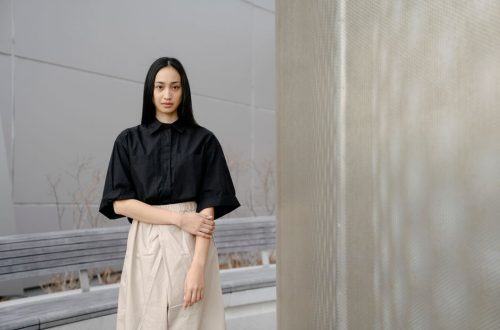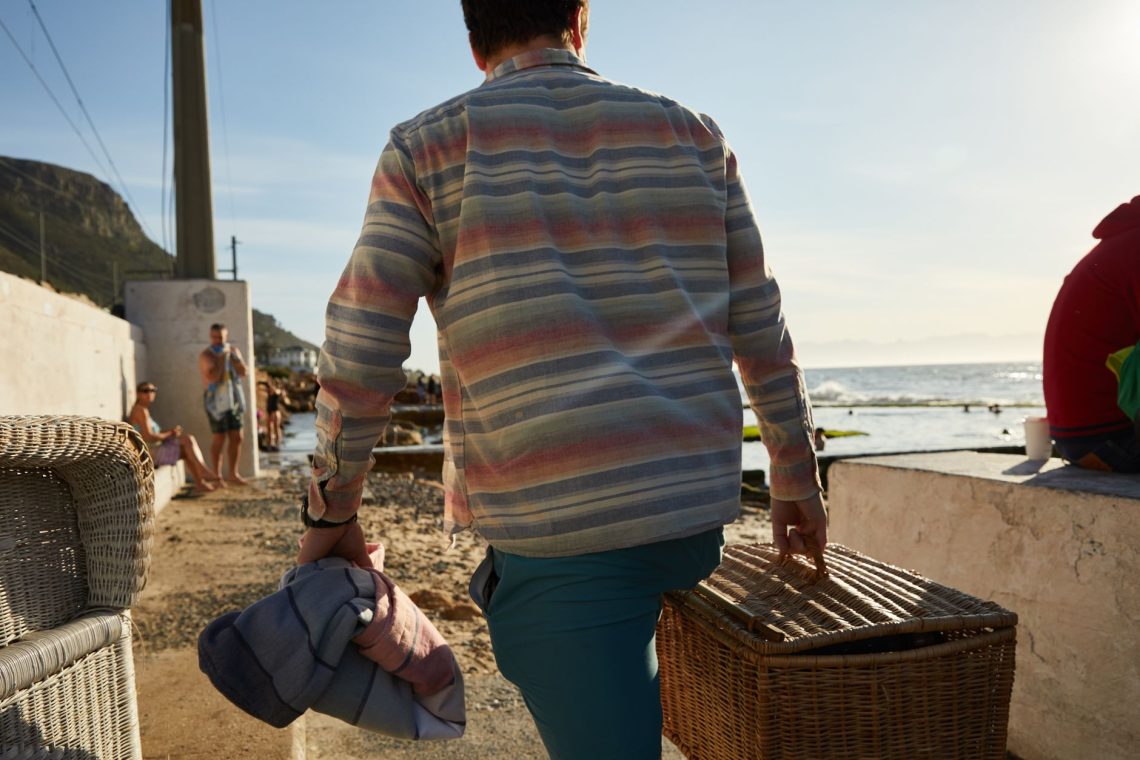
A good weekend shirt should feel easy enough for a slow breakfast, yet look considered when you walk into work on Friday. Finding one that does both is less about choosing something halfway between smart and casual and more about getting the fabric and cut right. The aim is a shirt that holds its shape without feeling stiff, with enough room to move and enough structure to sit neatly beside tailored trousers.
Start with what your office actually allows. Casual Friday might mean dark jeans and trainers in one workplace, but chinos and proper shoes in another. Use your usual Friday trousers as the reference point, then choose a shirt you would also happily wear with your favourite weekend denim.
Choose a fabric with a little structure
Fabric does much of the work before you add a jacket or roll a sleeve. A very crisp, smooth shirt can look formal even when worn open at the neck. A thin, floppy one may feel relaxed but become untidy once you have been sitting at a desk. For a useful middle ground, look for a cloth with visible texture, a comfortable handle and enough body to keep the collar and front placket looking neat.
Cotton Oxford for an easy starting point
Oxford cotton has a subtly textured weave that suits both settings. It feels less dressy than a glossy business shirt, while its body helps it sit cleanly over the shoulders. Try pale blue, white or a muted stripe if you want plenty of outfit options. Check the weight in person where possible: a substantial Oxford can be lovely in cooler weather but feel too warm in a busy office.
Twill for a softer finish
Cotton twill, recognisable by its fine diagonal weave, is another useful choice. It can drape comfortably while still looking tidy, particularly in washed finishes. Choose a version that bends easily in your hand rather than one that feels rigid. A brushed finish brings extra softness, although pronounced fuzziness can make the shirt read more like a winter weekend piece.
Linen blends for warmer days
If you enjoy linen’s airy feel but prefer a tidier appearance at work, consider a linen and cotton blend. Blends vary, so judge the actual cloth rather than expecting the fibre label to promise a particular result. Gently scrunch a section to see whether you like its creasing. Some wrinkles are part of linen’s character; the question is whether that relaxed finish fits your workplace.
Whatever the fibre, check opacity in daylight. Hold a single layer towards the light, then try the shirt over the underwear you intend to wear. A shirt that needs constant adjustment or an extra layer you find uncomfortable will not earn its place in a small wardrobe.
Get the shoulders and chest right first
The most versatile cut follows your shape without clinging to it. Start at the shoulders: on a conventional set-in sleeve, the seam should sit close to the shoulder edge. A deliberately dropped shoulder can look excellent at the weekend, but its slouchier outline is harder to translate into a more restrained office outfit.
Next, button the shirt and sit down. The front should lie reasonably flat without pulling between the buttons. Reach forwards as though using a keyboard, then fold your arms. If the back feels tight or the sleeves drag, try another size or cut. Sizing up is not always the answer; a different pattern may give you room where you need it without adding excess fabric everywhere else.
Look at the waist and hips too. A shirt should skim smoothly when worn loose, rather than catching at the hips or ballooning above a waistband. If you like a roomy silhouette, keep the volume intentional and check it with your actual work trousers. Relaxed does not have to mean oversized.
Find a hem that works tucked and untucked
Length is often the detail that decides whether a shirt can switch roles. A long, deeply curved tail may tuck securely but look awkward over jeans. A short, boxy hem can look sharp untucked yet escape your waistband whenever you reach upwards.
Try both ways of wearing it before buying. Untucked, the hem should look balanced against your rise and leg length, without covering so much of the trousers that the outfit loses its shape. Tucked in, it needs enough fabric to stay put when you sit, bend and stretch. There is no single ideal measurement because bodies and trouser rises differ.
A modestly curved hem often offers flexibility, while a straight hem suits an intentionally untucked outfit. If your workplace accepts untucked shirts, you may not need to compromise at all. Choose a neat shorter cut and use trousers with a clean line to give it a more polished setting.
Keep the collar and details adaptable
A collar gives the shirt its frame. Look for one that sits comfortably when the top button is open, without collapsing beneath itself or spreading so far that it seems to disappear. A soft point collar is adaptable; a button-down collar keeps its points controlled and has a naturally relaxed character.
Pay attention to the cuffs as well. They should close comfortably around your wrists and allow the sleeves to move. For work, wear them fastened or make a tidy fold. At the weekend, a looser roll can change the mood without changing the shirt. Neither should require sleeves so tight that rolling them becomes a struggle.
Simple details are easiest to move between settings. One chest pocket, discreet buttons and restrained stitching leave room for different styling. Large utility pockets, contrast panels or prominent decorative fastenings make a stronger statement. Choose those because you want that statement in both places, rather than hoping accessories will disguise it.
Choose colour with your trousers in mind
Before reaching for another neutral, think about what you already wear below the waist. Pale blue is easy with navy, charcoal, stone and many denim washes. Soft white offers similar flexibility, while muted green or dusty pink can bring colour without needing a complicated outfit.
If you prefer pattern, start with a stripe or a small check whose colours repeat something in your wardrobe. View it from a few steps away as well as close up. A pattern that looks subtle on a hanger may become much bolder across a whole shirt. Imagine it beneath your usual jacket, too, especially if that jacket already has texture or pattern.
Build two outfits around the same shirt
For Friday, try a pale blue Oxford tucked into straight navy chinos, with a belt if the waistband needs one and loafers or clean, understated trainers where permitted. A softly structured jacket adds definition if your office leans smarter. Keep the shirt smooth around the waistband rather than pulling it tightly down.
For the weekend, wear the same shirt untucked over straight jeans, open the neck to a comfortable point and roll the sleeves if the weather suits. Alternatively, leave it open over a plain T-shirt. Check that the T-shirt hem and neckline sit neatly within the outfit, so the layers feel deliberate.
Make the final decision in motion
Before removing the labels, try the shirt with both outfits and move around for a few minutes. Check the back, the side view and how the collar settles after you sit. Read the care label too: the best choice is one you can realistically wash, dry and press within your routine.
Choose the shirt that feels comfortable in both versions without constant adjustment. When the fabric has enough body, the cut gives you room and the hem suits your trousers, switching from Friday afternoon to Saturday morning becomes a small styling change rather than a wardrobe rethink.