Jewellery can be the smallest part of an outfit and the hardest to describe accurately. A fine chain worn every day, a vintage brooch pinned to a blazer or a ring inherited from a relative may each have a story that a receipt alone cannot tell. If you are considering insurance or valuables cover, start by making a clear record of what you own.
The aim is to build a useful jewellery file: photographs, descriptions and supporting paperwork that belong together. It can help you explain a piece to an insurer, discuss a valuation and keep track of alterations. It also makes your collection easier to organise, whether you rotate statement earrings with the seasons or wear the same few favourites.
Start with the pieces you actually wear
Lay your jewellery on a clean, soft surface and work through it in small groups. Include the rings beside the bathroom mirror, the necklace in your travel pouch and the earrings tucked into an evening bag. Keep delicate chains separate so that taking inventory does not turn into an untangling session.
Give each item a simple reference, such as J001, and use it on every related document and photograph. Record a matching pair as a pair, while noting any differences between the two earrings. For a coordinated necklace and bracelet, give each piece its own entry and cross-reference the set.
You do not need an elaborate system. A document or spreadsheet with a folder of photographs can be enough to get started. The useful part is consistency: someone reading the record should be able to connect the description to the correct piece without guessing.
Write a description beyond “gold necklace”
Describe what makes the piece recognisable. Separate facts supported by paperwork from details you have observed yourself. A yellow-coloured metal is not automatically gold, and a clear stone should not be recorded as a diamond simply because it looks like one.
- Item and design: for example, a pendant necklace with an oval centre and a fine chain.
- Materials: copy metal and gemstone details from reliable documentation, identifying the source.
- Size: record chain length, pendant dimensions, ring size or other useful measurements where known.
- Identifying details: note visible hallmarks, maker’s marks, engravings and serial numbers.
- Distinctive features: include an unusual setting, a textured finish or an asymmetrical design.
- Condition: describe visible scratches, missing elements or existing repairs without trying to diagnose them.
Use plain wording and leave uncertain fields marked “unknown”. If an engraving contains a personal message, transcribe it carefully in your private record. Avoid polishing away surface details or handling a fragile setting simply to improve the description.
Take photographs that show the whole piece
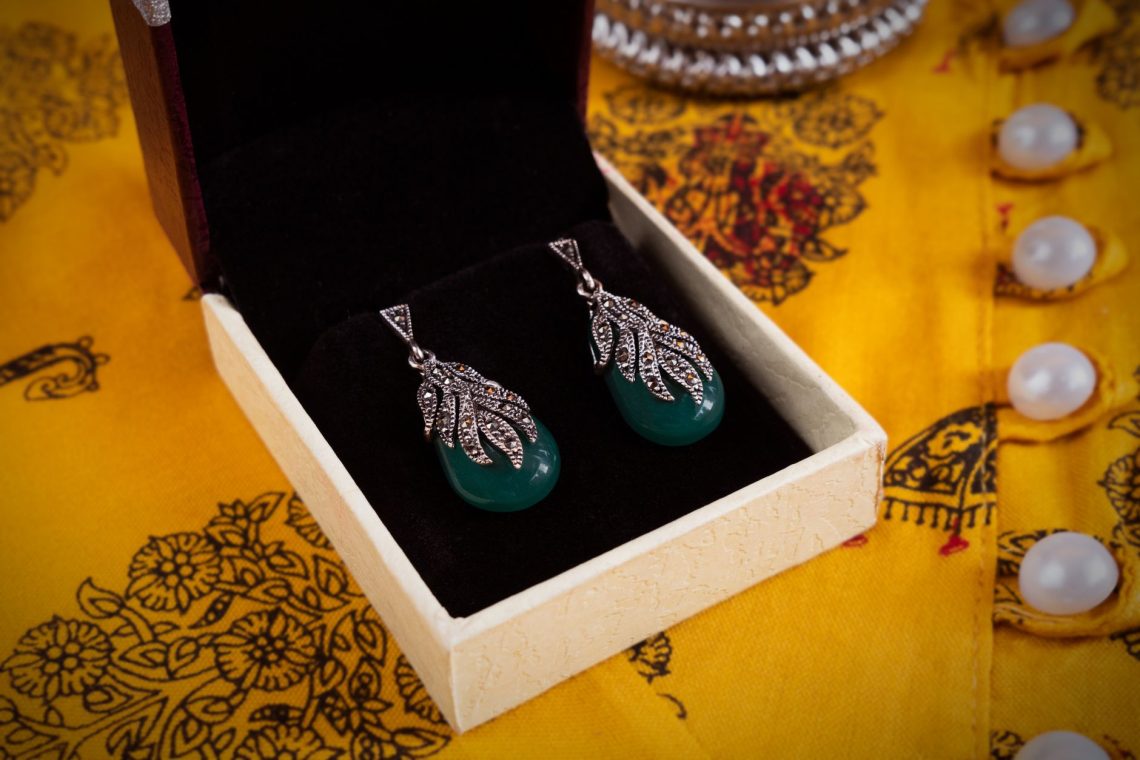
Photograph each item in soft daylight against a plain background. Start with a clear overall view, then take the reverse and side views. For earrings, photograph both together and each separately. Open a clasp only if it is safe to do so, and include the fastening in a close-up.
Add close-ups of marks, engraving and distinctive details. Check that these are in focus before putting the jewellery away. A ruler beside the item can provide scale; keep it alongside the piece so it does not obscure the design.
A photograph of a necklace being worn can show its proportions, but keep this as an extra view. Outfit photographs often hide clasps, settings and other identifying features. Avoid filters or edits that change colour, and retain the original image files. Name them using the item’s reference and view, such as “J001 reverse”.
Gather receipts and evidence of ownership
Keep the original receipt or invoice where available, plus a readable digital copy. Save relevant order confirmations and descriptions with the item record. Check that the paperwork identifies the actual jewellery, rather than merely showing a payment to a shop.
Gifts, inherited pieces and older purchases may have less straightforward histories. Record when and how the item came to you, distinguishing an exact date from an estimate. Keep any accompanying gift receipt, correspondence or inheritance paperwork that helps explain its history. Store sensitive family documents securely.
If there is no receipt, do not create one or turn a family recollection into a certified fact. Write down what you know and ask the prospective insurer what alternative evidence it would accept. A personal inventory is useful preparation, but it does not itself establish that an item will be covered.
Keep valuations separate from purchase records
A purchase receipt, a gemstone report and a valuation are different documents. Keep each under its own label rather than treating them as interchangeable. When arranging a valuation, explain its intended purpose and ask the insurer what qualifications, format and level of detail it requires.
Record the valuer’s name, the date, the stated purpose and the item reference. Keep the complete document, including photographs and any qualifications or limitations. If its description differs from your own notes, ask for clarification rather than silently changing the wording.
Ask when the insurer expects valuations to be reviewed and what should happen after a significant alteration. Avoid choosing a value from a similar-looking item online. Similar designs can have different materials, construction and provenance, and your file should preserve those distinctions.
Document repairs, resizing and redesigns
Jewellery evolves with its wearer. A ring may be resized, a pendant transferred to a different chain or inherited earrings converted for pierced ears. Add dated notes and keep the relevant invoices, workshop descriptions and fresh photographs.
For a redesign, retain the earlier record and clearly identify the current version. Note which components were reused where that information is documented. If a piece is already insured, ask whether the change needs to be reported or supported by a new valuation.
Keep care and inspection paperwork too. Record what the jeweller actually wrote, without expanding a brief cleaning receipt into evidence that every setting was checked. This gives you a clearer history when discussing future maintenance.
Use your file to ask precise cover questions
“Fashion insurance” and “valuables cover” are starting points for a conversation, not a description of every policy’s terms. Use your inventory to ask how your particular jewellery would be treated. Keep the answers with the relevant policy documents and refer to the written wording.
- Does this piece need to be individually listed, and what evidence is required?
- What limits and excesses would apply to it?
- Which circumstances are covered, including accidental loss or damage?
- What applies when wearing it away from home or taking it abroad?
- Are there storage, security or inspection requirements?
- How would a claim be settled, including repair or replacement arrangements?
Explain your actual wearing habits. A bracelet worn on the commute and a necklace reserved for weddings have different routines. If you lend jewellery, travel with it or leave it with a jeweller, ask specifically about those situations instead of assuming they are included.
Store the record securely and keep it useful
Keep a protected backup separate from the jewellery itself. Restrict access to photographs, values and ownership documents, and avoid sharing a detailed inventory publicly. Record policy references and contact details somewhere you can retrieve them if your usual device is unavailable.
Return to the file when you buy, sell, gift, alter or have a piece valued. An occasional check while organising your jewellery box can catch missing paperwork and photographs that no longer match. The best record is one you can maintain: clear enough to identify each piece, honest about uncertainty and ready to support a specific conversation about cover.