Nail oil is easy to apply absent-mindedly: a stripe down the middle of each glossy nail, a quick wave of the hands, and back to whatever you were doing. Yet if your aim is to soften the dry-looking skin around your nails, most of that oil has landed in the wrong place.
The useful change is small. Place the oil around the edges of the nail first, then use a fingertip to spread it over the surrounding skin. You do not need to flood your manicure or turn it into an elaborate treatment. A careful application, attached to something you already do each day, is a much easier habit to keep.
Know where you are aiming
Look at the base of one nail, where the nail emerges from the skin. The curved border here, and the narrow folds of skin running along either side, are your starting points. In everyday beauty language, this whole area is often called the cuticle area.
Strictly speaking, the cuticle is the thin layer of non-living tissue attached to the nail plate near its base. The living skin bordering the nail is a different structure. For this routine, you do not need to identify every tiny part: simply aim for the junction between the nail and the surrounding skin, without trying to lift, cut or push anything out of the way.
Think of tracing the frame of the nail, rather than painting its centre. A little oil can spread onto the nail itself during massage, but the polished surface should not receive the whole application.
Start with clean hands and a manageable amount
Wash your hands as usual and dry them, including around the fingertips. There is no need for a special soak or a round of buffing before every application. If you have just removed nail varnish, wash away any remover residue before reaching for the oil.
Take off rings if they tend to trap product, and work over a washable surface. Keep a tissue nearby for excess. Applying oil while holding your phone is an efficient way to coat your phone, so put it down until you have finished.
Different applicators release very different amounts. Start with less than you think you need; you can add another touch to a dry area. The aim is a light sheen around the nail, rather than a bead running towards your knuckle.
How to apply nail oil, step by step
- Place a small amount at the base. Touch the brush or pen tip to the curved border where the nail meets the skin. With a dropper, dispense a little onto a clean fingertip first if a full drop feels excessive. Avoid touching the dropper directly to your skin.
- Follow both side edges. Guide the product down one side of the nail, then the other. These narrow borders are easy to miss when you swipe straight across the middle.
- Massage the border gently. Use the pad of a finger or the opposite thumb to make small circles around the base and sides. Spread the oil over the skin without scraping with your nail or pressing into the fold.
- Include the fingertip where needed. Smooth any remaining oil over dry-looking skin beside the nail and across the end of the finger. You do not need to force product underneath the nail.
- Repeat, then tidy up. Work through each finger, remembering both thumbs. Give the oil a little time to settle, then blot any slippery excess from your finger pads before handling things.
Massage is mainly a practical way to distribute the product. You do not need vigorous rubbing, a special tool or a precisely timed ritual. If the skin moves uncomfortably under your finger, ease the pressure.
Adjust the applicator, not the target
With a brush
Wipe excess oil against the inside of the bottle neck before applying. Use the tip of the brush to trace the curved base and side borders. A broad brush can tempt you into treating the nail like a miniature canvas; turn it slightly so you can use its narrow edge.
With a pen
Release a small amount according to the packaging directions, then pause before dispensing more. Some pens take a moment to feed oil into the tip. Trace the nail edges lightly and massage afterwards, rather than relying on the pen alone to spread everything evenly.
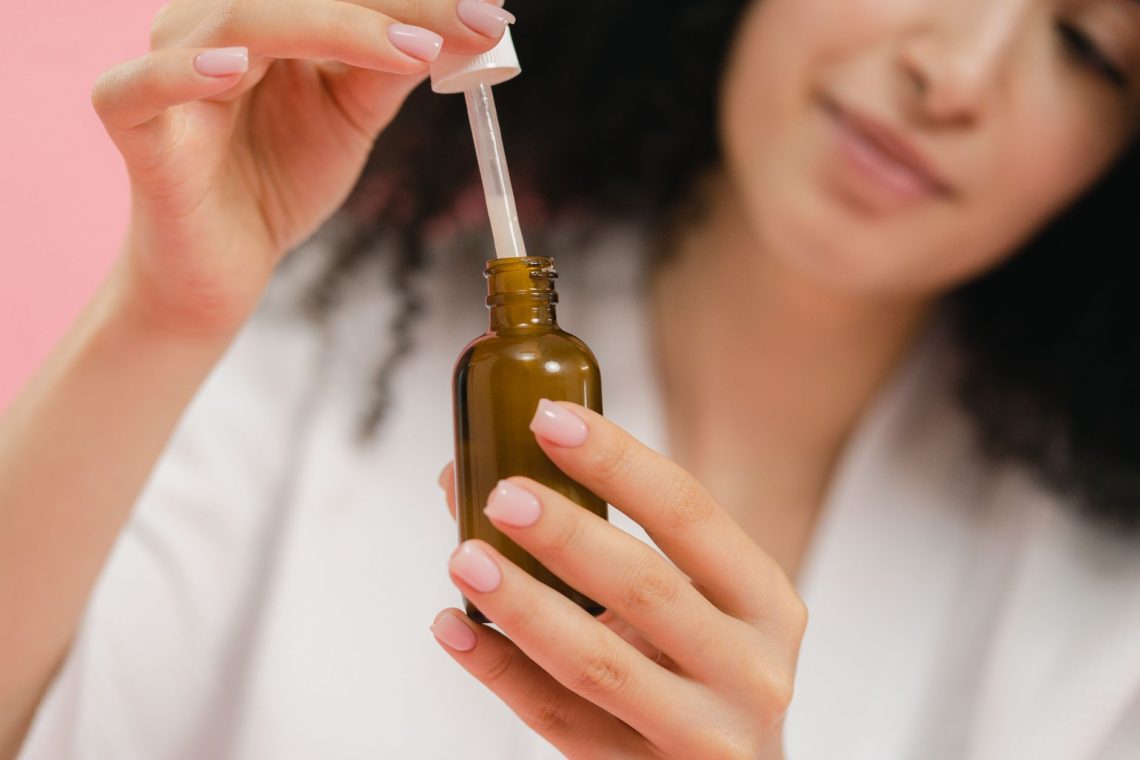
With a dropper
A dropper can deliver more than a single nail needs. Place a little oil on a clean fingertip and share it between several nail borders. Keep the opening clean and close the bottle once you have dispensed what you need.
What if you are wearing nail varnish or gel?
You can still direct oil towards the surrounding skin when your nails are painted. The key is to follow the exposed skin at the base and sides, instead of expecting a coating over the polish to do the same job. Wait until ordinary varnish is properly dry before massaging around it.
With gel or another salon enhancement, follow your nail professional’s aftercare instructions. Keep your touch gentle and leave any lifting edges alone. Oil application should not involve working a tool beneath an enhancement or picking at a gap.
Timing matters before a manicure, too. If you are about to paint your nails, leave your oil routine until afterwards, once the finish is ready for handling. Follow the varnish system’s preparation instructions so that the nail surface is properly prepared before colour goes on.
Make it a habit you can actually repeat
Choose one reliable moment, such as after your evening skincare. Keep the bottle upright beside your hand cream, where you will see it. Apply the oil around your nails, massage it in, then smooth hand cream over your hands if you like using both.
A daily reminder is more useful than a complicated timetable. If bedtime always feels rushed, choose a quieter moment after your final household task instead. Avoid applying it immediately before washing up, washing your hair or doing something that requires a secure grip.
For daytime use, a small amount makes the routine less disruptive. Blot your fingertips before typing or touching fabric. Store the product according to its label, away from places where it may leak or get too warm, rather than assuming every bottle belongs in a handbag.
Small mistakes that make application less useful
- Using more instead of placing it carefully. If oil keeps pooling on the polish, reduce the amount and start closer to the skin border.
- Missing the sides and thumbs. Follow the same route on every nail: base, one side, the other side, then massage.
- Combining oiling with picking. A rough edge is not an invitation to pull at the skin. Keep this routine gentle and separate from any grooming that needs tools.
- Expecting an instant manicure makeover. Oil can make the area look more cared for, but it will not repaint chipped varnish or repair a damaged enhancement.
Use a product intended for nails and surrounding skin, following its directions. If it causes irritation, stop using it. Avoid massaging sore or broken areas simply to complete the routine.
The habit is simple enough to remember without a checklist: a small amount around the border, a gentle massage, and a moment to let it settle. Once your hand learns that route, getting the oil onto the skin becomes almost automatic.