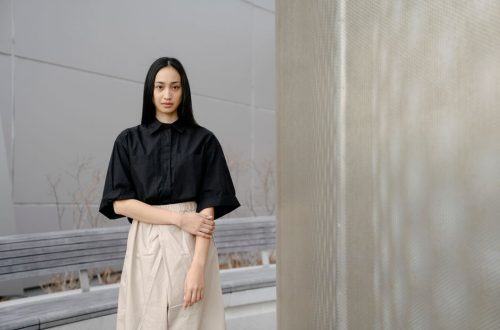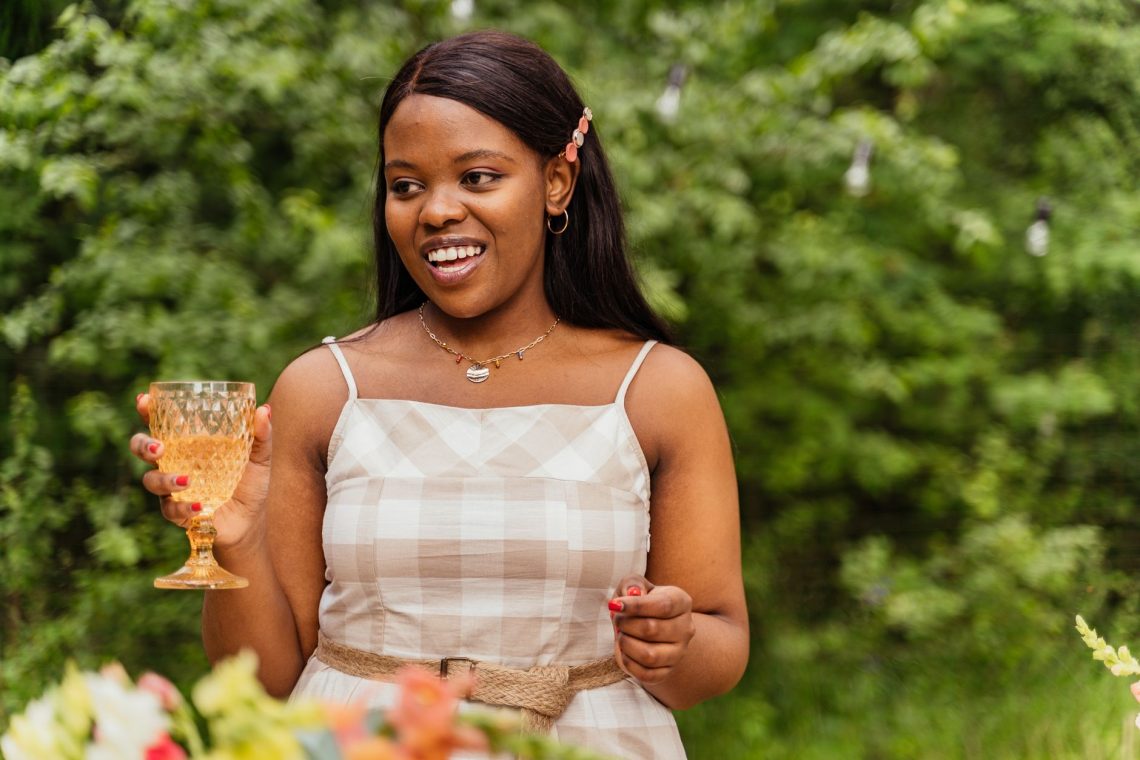
A garden party invitation suggests sunshine, a pretty outfit and a leisurely afternoon outside. The forecast may have other ideas. When bright spells could give way to a breeze or a shower, getting dressed becomes a question of balance: you want to look ready for the occasion without spending it shivering, sinking into the lawn or carrying half your wardrobe.
The most useful approach is to build an outfit that works in stages. Start with clothes you would happily wear indoors, add a layer you can carry comfortably, and choose shoes you can stand in on uneven ground. A few thoughtful decisions will do more for your afternoon than an outfit that depends on perfect weather.
Start with the invitation, then consider the setting
Before deciding between a dress and trousers, check how formal the party is likely to be. A wedding reception in a garden calls for a different level of polish from a birthday lunch on a friend’s patio. Follow any stated dress code first, then adapt the practical details around it.
The surface matters as much as the occasion. A terrace, gravel path and soft lawn each make different demands on your footwear. If the invitation is vague, asking whether guests will mostly be on grass is a useful question. Think about the journey, too: walking from a station may require more protection than stepping out of a car beside the gate.
Build a base outfit that can stand alone
Your main outfit should feel complete when you take off your outer layer. That means choosing a neckline, sleeve length and fit you are comfortable wearing throughout the afternoon, rather than relying on a jacket to make everything sit correctly.
Choose a dress with room to move
A midi dress with an easy skirt is a versatile starting point. Look for enough room to sit, reach for a drink and walk across the garden without adjusting it constantly. A softly shaped waist can give definition without the restriction of a very fitted cut. Short sleeves offer some coverage while leaving space beneath a cardigan or jacket.
Check where the hem falls with your intended shoes. A long skirt that brushes the ground indoors can collect moisture outside. Very full, lightweight skirts can also need managing in a breeze; a narrower A-line shape may feel simpler. If you choose a wrap dress, check that the overlap stays secure when you sit and walk.
Consider separates for more flexibility
An ankle-length trouser with a blouse or fine knit can look just as considered as a dress. A straight or gently tapered leg keeps fabric away from damp grass. Alternatively, pair a midi skirt with a top that stays comfortably tucked, or choose a neat, untucked shape that finishes around the waist.
Try the whole outfit sitting down before committing. Waistbands, buttons and tucked fabric behave differently in a chair. If you expect a long afternoon, comfort at the table deserves as much attention as the view in the mirror.
Pick one layer you can carry
The ideal garden party layer is useful when worn and manageable when removed. It should fit over your sleeves, work with the proportions of your outfit and fold over your arm without becoming an obstacle every time you greet someone.
- A fine-knit cardigan: easy to fold into a roomy bag and useful over dresses or separates. Choose one that sits comfortably whether buttoned or open.
- A cropped jacket: helpful with a defined waist or fuller skirt, especially when you want a more structured finish.
- A relaxed blazer: a natural partner for trousers or a simple dress. Check that you can move your arms freely with your chosen top underneath.
- A light coat: sensible when the day looks genuinely cool. A simple shape with room for your outfit underneath is easier to manage than several small layers.
Choose the layer alongside the outfit, rather than adding whatever is nearest the door. Soft navy, cream, sage or a colour drawn from a print can make it feel intentional. There is no need for a perfect match; repeating one shade is enough to connect the pieces.
A scarf can add warmth around your neck, but it is less convenient if it keeps slipping while you carry a plate. If you prefer a wrap, practise wearing it with your bag before leaving. You should not need one hand permanently assigned to keeping your clothes in place.
Choose shoes for the ground beneath you
On grass, a broad contact point is more useful than a delicate heel. Block heels, wedges with secure straps, loafers and dressy flats are all possibilities, depending on the dress code. The important details are a stable base, a comfortable fit and a sole that feels secure underfoot.
A block heel can still sink into very soft ground, so do not assume that a wider heel solves every problem. For a lawn that may be wet, a low shoe with a substantial sole is often the easier choice. A platform or wedge also needs checking for balance on uneven paths.
Wear your proposed shoes around the house with the rest of your outfit. Stand for a while, turn and walk at your normal pace. If your toes grip to keep a backless shoe on, or a strap already rubs, choose something else. A garden party is a poor setting for discovering how long you can tolerate uncomfortable shoes.
Consider the material as well. Delicate suede, fabric-covered heels and pale textile shoes may be choices you would rather save for a dry terrace. Use a suitable protective treatment only according to the shoe maker’s care instructions, and remember that protection does not make every shoe suitable for rain.
Plan for a shower without dressing for a downpour
A compact umbrella is a useful addition when showers are possible, provided your bag has room for it. Check that it opens properly before you leave. If rain looks likely for much of the event, a lightweight raincoat may be more practical than expecting a blazer to do the job.
Fabric choices can help with the rest of the outfit. Consider whether a pale material becomes sheer when damp, whether a long hem could trail through puddles, and whether the garment’s care needs suit an outdoor afternoon. Check light fabrics in daylight before leaving, with the underwear you intend to wear.
You do not need to avoid linen because it creases, or abandon a favourite dress because the forecast is mixed. Decide which compromises you are comfortable with. A relaxed linen outfit can look lovely with natural creasing; a hem you must hold up all afternoon is a more persistent inconvenience.
Keep accessories useful and manageable
A small shoulder or cross-body bag leaves your hands free for drinks, food and your spare layer. Choose one that closes securely and has enough space for essentials without needing to be packed like a puzzle. A structured clutch can suit a formal event, but consider where you will put it while standing.
Keep jewellery comfortable beneath your outer layer. Earrings that catch in a scarf or bracelets that snag a loose knit can become distracting. Sunglasses are useful for bright spells, while a hat is worth wearing only if it feels secure in a breeze and suits the occasion.
Try the complete outfit before you leave
Put on the shoes, add the layer, pick up the bag and move around. Can you carry the jacket and still open your bag? Does the coat pull at the dress sleeves? Can you sit without the skirt riding up or the trouser hems touching the floor?
Make any final adjustment at home, then let the outfit do its job. With a layer you can carry and shoes you can stand in, you have room to enjoy the garden, the conversation and whatever the afternoon brings.