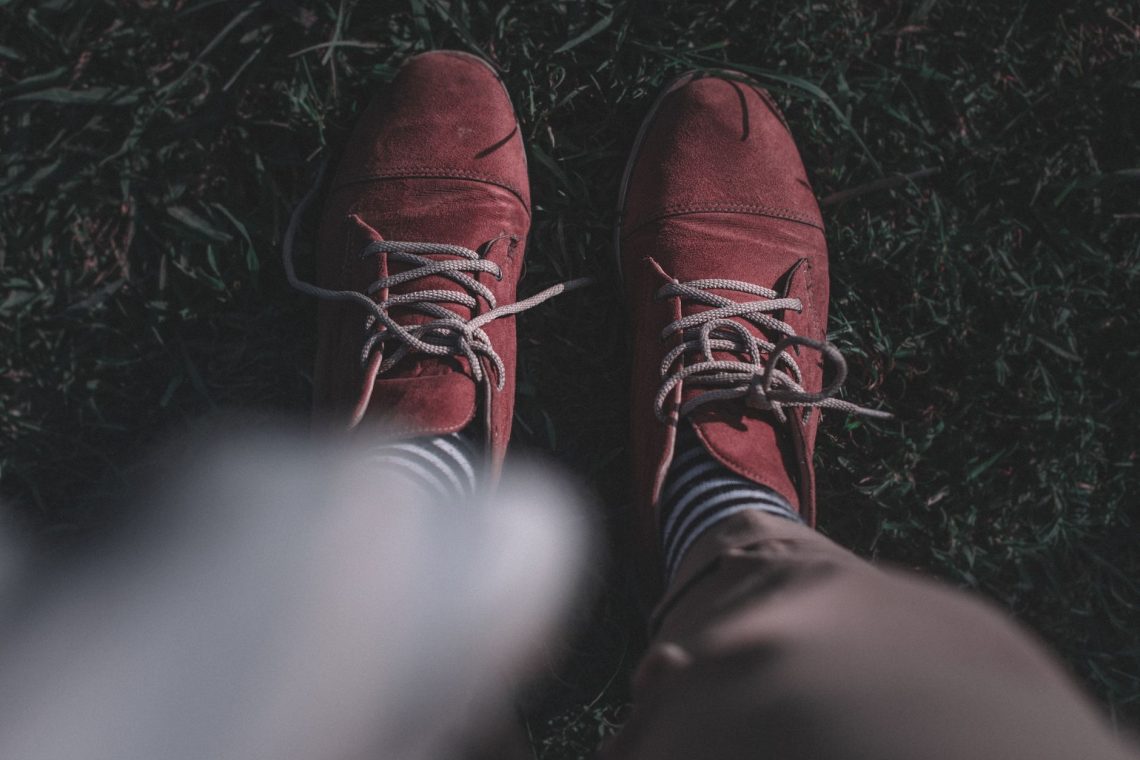
Pale suede looks particularly good against dark denim, wool trousers and winter coats, until the first shower makes every pavement feel like an obstacle course. Its soft, raised surface can show water marks, transferred dye and street dirt more readily than a smooth finish. The answer is to prepare it before wearing, limit what touches it while wet and resist the urge to scrub a fresh mark.
You cannot make suede immune to a British wet day. You can give a pair of cream boots or a sand-coloured bag a better chance, then handle any damp patches without turning a small problem into a larger one. Start with the care label: genuine suede, nubuck and imitation suede may need different products.
Protect pale suede before its first outing
Check the item in daylight while it is clean and completely dry. Look for existing marks, uneven colour or areas where the nap, the tiny raised fibres, lies in another direction. A change in the nap can resemble a stain. This quick inspection gives you a useful baseline before adding any treatment.
Choose a protector explicitly labelled as suitable for the material and colour. A product intended for smooth leather is not automatically suitable for suede. Avoid treating a pale item with a coloured spray unless its care instructions specifically call for one; matching a shade by eye is unreliable.
Patch-test, then give the treatment time
Test on a small, discreet area of the same outer material, such as a concealed section beneath a strap. Follow the product instructions and allow the test to dry fully before judging it. Check for darkening, a tide mark or a change in texture. If there is no genuinely hidden area, ask the retailer or a suede specialist before treating a valuable piece.
Apply the protector with the ventilation, distance and number of coats specified on its label. Keep the application light and even rather than saturating one section. Shield trims if instructed, and let the item dry for the full recommended period before wearing it. Spraying boots as you leave the house gives the treatment little opportunity to work.
Protection is a precaution, not permission to walk through puddles. Renew it according to the manufacturer’s guidance, particularly after cleaning, rather than repeatedly spraying whenever the weather forecast looks gloomy. More product does not necessarily mean better protection, and unnecessary layers may affect the finish.
Plan the outfit around the weather
On a day of persistent rain, the most reliable way to preserve pale suede is to choose something else. Save it for a mostly dry journey, or carry the shoes and change indoors. Check the route as well as the forecast: a short walk across gritty puddles can be harder on cream boots than a longer walk on dry pavement.
- Keep trouser hems clear of wet ground so they cannot drag dirty water across the suede.
- Be cautious with new dark denim, which may transfer colour through repeated contact, especially when damp.
- Carry a pale suede bag away from a wet coat where practical, and avoid resting it on floors or damp seats.
- Use a separate pouch for cosmetics and pens inside a suede bag to reduce the chance of an internal spill reaching the outer surface.
Dark streaks around boot tops or along the side of a bag may be colour transfer rather than ordinary dirt. Protector should not be relied on to prevent this. Adjusting the contact between garments and accessories is often the more useful precaution.
When the suede gets wet, blot and pause
Once indoors, remove the item from contact with wet clothing. With clean hands, use a plain white absorbent cloth to blot surface moisture gently. Lift the cloth between touches rather than dragging it across the suede. Use a fresh section as it picks up moisture or dirt, so you do not move grime into a clean area.
Do not rub with a sleeve, a coloured towel or a tissue that sheds fibres. Do not reach for soap, washing-up liquid, micellar water or a household stain remover. Pale suede is unforgiving of a cleaning experiment, and a wet surface can look much darker than it will once dry.
If there is a muddy splash, lift off any loose lump carefully without pressing it into the nap. Leave the remaining mud to dry before attempting to brush it away. Chasing every brown speck while it is wet can spread the mark and work dirt further into the surface.
Dry slowly, with support and airflow
Let damp suede dry naturally at room temperature, away from radiators, fires, hairdryers and strong sunlight. Give it space rather than placing it in a closed cupboard or plastic bag. Direct heat can leave the material stiff or distorted; patience is the useful tool here.
For shoes, loosely insert clean, unprinted absorbent paper to help support their shape. Change it if it becomes damp, and avoid cramming the toe tightly. Printed newspaper is a poor choice beside pale materials because of the risk of ink transfer. Support a bag gently if needed, keeping its opening clear so air can circulate.
Do not assess a water mark while part of the item is still damp. Uneven drying can make an area appear dramatically darker. Wait until the material and any lining feel dry before deciding whether it needs further attention. Avoid wearing damp suede again simply because the outside looks almost ready.
Brush dry dirt with a light hand
Once the suede is fully dry, use a clean brush intended for that material, following the item’s care guidance. Begin with gentle strokes in the direction of the nap. Work over a small area and check the result in daylight. The aim is to release loose dirt and restore the surface, not scrape it clean.
Use particular care with aggressive bristles, seams and thin or delicate areas. If you own a suede eraser, check its suitability and test discreetly before using it on pale suede. Keep pressure light and remove residue gently. A stubborn mark is not an instruction to bear down harder.
Know when to stop rubbing
Stop if the colour starts changing, fibres come away, the surface becomes shiny or the patch grows. Also stop when a few gentle passes produce no improvement. Repeated friction can flatten or damage the nap, leaving an obvious change in texture even if some dirt lifts.
Take a photograph in natural light if it helps you compare the area without repeatedly touching it. Put the item aside and make a fresh assessment later. The temptation to do just one more pass is particularly strong with pale footwear, but restraint protects the finish.
Treat tide marks and difficult stains as separate problems
A dried water outline, oily spot, salt residue and transferred dye are different problems. There is no single home remedy that reliably suits them all. Avoid pouring water over an isolated patch or applying vinegar, alcohol or powder on the strength of a general cleaning tip. Each can create another mark or alter the colour.
If a tide mark remains after drying and light brushing, consult the care instructions for an approved suede cleaner. Patch-test it and follow the directions exactly, including whether a whole panel needs treatment. Do not improvise a soaking method to blend an edge.
For oil, ink, dye transfer, widespread salt marks or a treasured item, speak to a cleaner who specifically handles suede. Explain what caused the mark, if known, and disclose any products already applied. Keep the item dry and avoid further experiments while seeking advice.
After successful cleaning, let the suede dry fully, restore the nap gently and renew suitable protection as directed. Store it clean and dry, away from rubbing dark accessories. Pale suede needs a little planning, but its care routine is straightforward: prepare before wearing, blot after rain, dry patiently and stop before rubbing changes the surface.