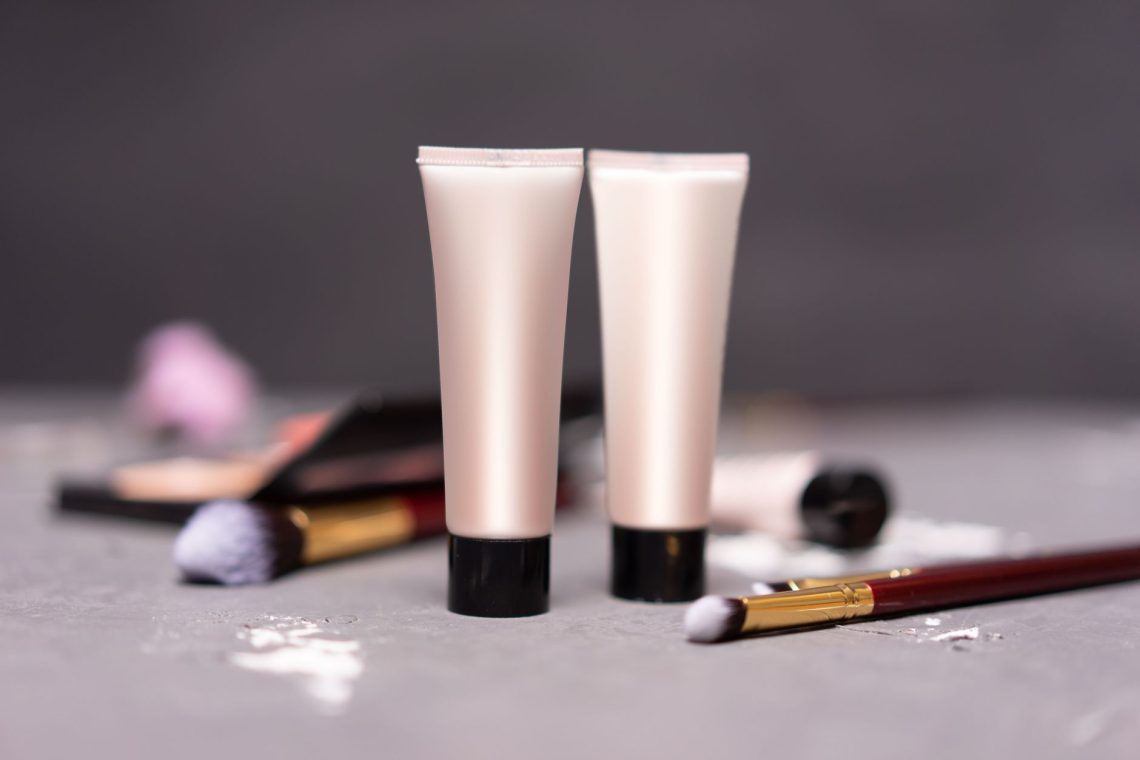
If you usually skip makeup primer, you may be doing perfectly well without it. A comfortable moisturiser, a foundation you like and a light hand can make a lovely base. Primer earns its place when it solves a particular problem: foundation sliding off your nose, clinging around your mouth or looking flatter than you would like.
The difficulty is that primers promise very different things under the same name. A silky smoothing formula, a sticky gripping gel and a pearly illuminating lotion are not interchangeable. Before adding another layer to your morning, decide what you want that layer to do.
Start with what actually goes wrong
Think about your makeup at the point when you normally become dissatisfied with it. Is it difficult to blend from the start, or does it look good until lunchtime? Those are different problems, and they do not automatically call for the same product.
For a few ordinary makeup days, pay attention to where the issue begins. You need a useful description, such as “foundation separates beside my nose”, rather than a general feeling that your base should last longer.
- Shine appears through the centre: a mattifying primer may be worth trying in that area.
- Makeup slips or disappears: a gripping formula may help, depending on the layers underneath.
- Foundation catches on dry patches: reconsider preparation and foundation texture before buying primer.
- The finish looks dull: a subtle illuminating primer could add the sheen you want.
- Texture looks more obvious under makeup: a smoothing primer may soften its appearance.
If your base already looks and feels right, there is no missing step to correct. Keeping your routine short is a valid choice.
Choose a finish before choosing a formula
For shine: look for controlled softness
A mattifying primer makes most sense when you like your foundation but want less shine in specific places. Try it on the forehead, nose or chin rather than automatically spreading it over your cheeks. Combination skin rarely needs the same finish everywhere.
Aim for a comfortable surface, not a dry, tight feeling. If you already use a matte foundation and powder, another mattifying layer may make the result look heavier. You might get the finish you want simply by using less moisturiser on oilier areas or placing powder more precisely.
For visible texture: consider a smoothing primer
Smoothing primers often feel silky and give makeup a more even-looking surface. They can be useful beside the nose or across areas where foundation seems to emphasise pores. They do not remove pores or make skin physically featureless.
Use a small amount and press it gently into the area. A thick coating can move around as you blend foundation, undoing the smoothness you wanted. Judge the result with makeup on top: a lovely feel on bare skin is only part of the job.
For slipping makeup: try grip cautiously
Gripping primers tend to leave a slightly tacky surface. They are worth considering if your foundation moves easily, particularly when you want coverage to stay concentrated in certain areas. Follow the application directions, including any suggested settling time.
Do not mistake a sticky feeling for proof of better wear. The useful question is whether your finished makeup stays more even during your normal day. If foundation becomes difficult to spread, try a smaller amount and press it on instead of repeatedly buffing.
For a fresher finish: choose subtle illumination
An illuminating primer can add light beneath a sheer or medium-coverage base. Check the sheen in daylight if possible. A gentle glow and obvious shimmer can look similar under shop lighting, yet give quite different results across the face.
Place it where you want light, such as the upper cheeks, and keep it away from areas you prefer matte. Under a very opaque foundation, its effect may be barely visible. If you only want a little glow on the cheekbones, a separate highlighter may be more straightforward.
Know when hydration is the real issue
A hydrating primer can feel pleasant, but it may duplicate the moisturiser you already enjoy. If foundation looks dry, first check whether your skincare has had time to settle and whether the foundation itself feels comfortable. Adding layers is not always the answer.
Dry-looking makeup can also come from too much powder or repeated blending over one patch. Try reducing both before changing the whole routine. Where skin is visibly flaky, primer is unlikely to disguise every edge; piling on coverage can draw more attention to it.
Keep your usual daytime sun protection in place. A primer is an optional makeup step, and an SPF claim on a makeup product is not a reason to apply less of your regular sunscreen.
Make it work with the products you own
You may have heard that every layer must be either water-based or silicone-based. That shortcut cannot tell you everything about how finished formulas will behave together. Ingredient lists can offer clues, but the combination on your face is what matters.
Try a sample with your usual moisturiser, sunscreen and foundation where possible. Avoid changing all four products at once: if the result improves or pills, you will have little idea which change mattered.
Pilling looks like little rolls or crumbs as you rub the surface. If it happens, use less primer, allow the preceding layers to settle and reduce rubbing. If it keeps happening with your everyday base, that primer may simply be an awkward fit for your routine.
Apply less, and only where it helps
- Finish your skincare first. Let moisturiser and sunscreen settle according to their directions before adding makeup.
- Begin with a thin layer. Follow the primer’s instructions and resist adding extra because the first amount seems small.
- Target the problem. Start with the nose, forehead or another specific area rather than covering your whole face.
- Add foundation gently. Use light strokes or pressing motions, especially over a tacky formula.
- Check before powdering. You may need less powder where a mattifying primer has already changed the finish.
There is no need to collect several primers immediately. Establish whether one useful formula makes a difference before experimenting with different products on different zones.
Give it a fair comparison
On a day without a special occasion, try primer on one side of your face and leave the other side with your usual preparation. Keep the foundation amount and application method as similar as you can. Compare the sides after application and again when you would normally notice wear.
Look for the improvement you originally wanted. Is there less separation around the nose? Does the finish feel more comfortable? Has shine reduced without making the cheek look dry? A primer can succeed at one job while being unnecessary elsewhere.
If you cannot see or feel a worthwhile difference over a few comparable wears, leave it out. The right primer should make your familiar makeup easier to wear. When it only adds another layer, skipping it remains a perfectly sensible beauty habit.