A muddy weekend walk can leave you with an awkward footwear decision: wear boots that suit the path but look out of place at lunch, or choose a smart pair and spend the walk avoiding puddles. The useful middle ground is a boot that handles the conditions you actually encounter, cleans without a lengthy ritual and still works with the clothes underneath your waterproof coat.
That does not mean every country walk calls for a sleek ankle boot. Deep mud, steep ground and long distances can demand more specialised footwear. But for a gentle woodland circuit followed by a café, a village wander or a pub lunch, a few practical details can stop your weekend boots becoming the pair permanently abandoned in the car.
Start with the walk, then plan the outfit
Before considering colour or shape, think about the route. A surfaced park path with occasional muddy patches is different from churned fields or wet grass above ankle height. Consider how long you will be outside, whether there are slopes and how much standing around the day involves.
If the route needs proper walking boots, choose those and build a casual outfit around them. Trying to make a fashion boot do a technical job rarely produces either a comfortable walk or a relaxed arrival. For an easier route, you have more freedom to choose a simple leather or rubber boot with a shape you would happily wear into town.
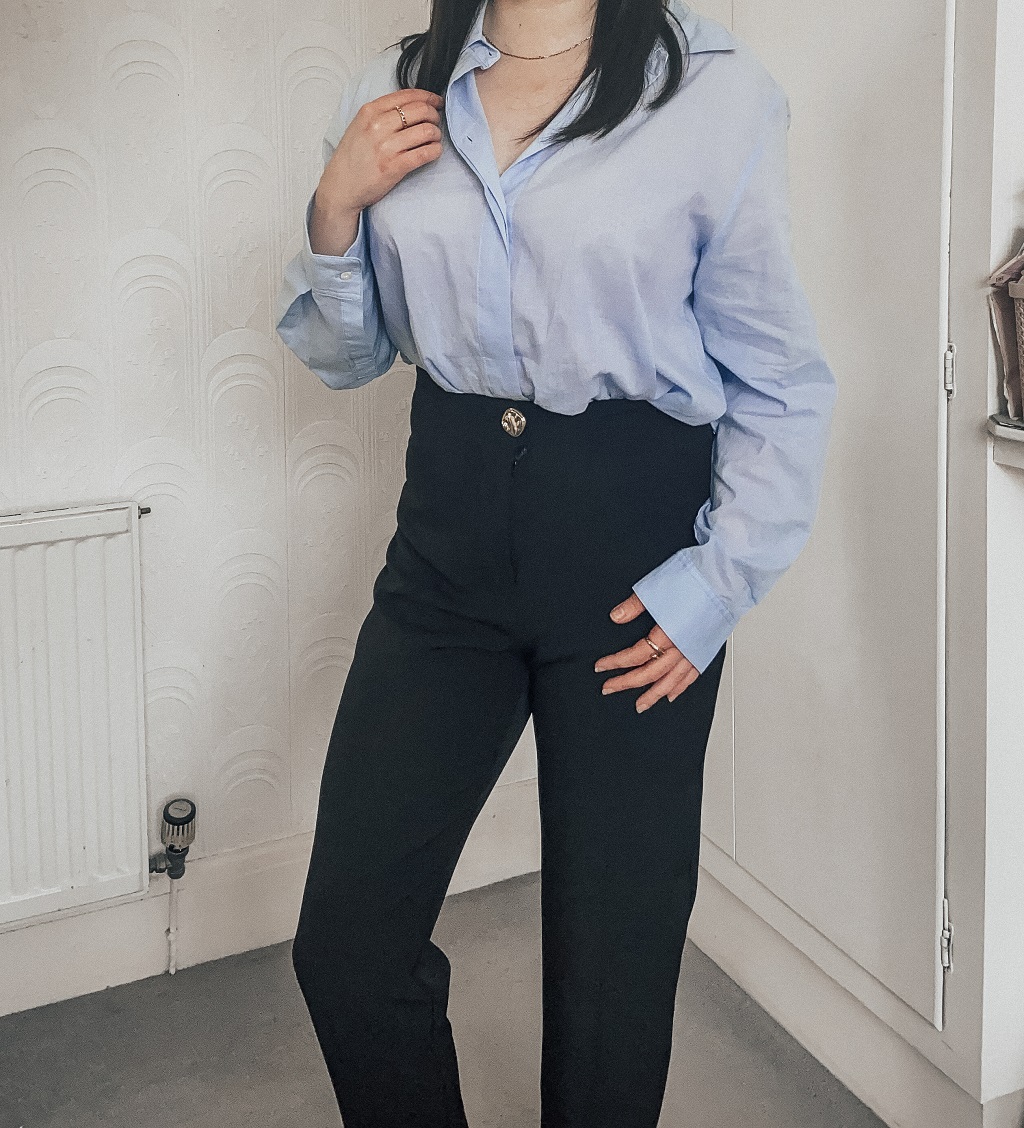
Lay out the whole outfit before deciding. Straight jeans, a fine knit and a raincoat can make practical boots feel intentional. A pair that only looks right with one very particular trouser hem may be less useful than it first appears.
Look underneath before you look in the mirror
Choose tread that can release mud
A substantial-looking sole is not automatically a useful muddy-weather sole. Look for defined grooves and spaces between the tread blocks. Very shallow patterns can fill quickly, while tightly packed details may hold grit that is difficult to remove afterwards.
No sole guarantees grip on every surface. Wet leaves, smooth stones and greasy paving each behave differently. For this kind of mixed outing, look for a boot intended for outdoor use, then check that the sole feels stable under your foot. A fashion platform with a rugged outline may still be awkward on uneven ground.
Keep the heel steady
A low, broad heel or a relatively level sole makes more sense than a narrow heel for soft ground. Try standing, turning and walking at your normal pace. If you feel tipped forward or have to shorten your stride to keep the boot steady, it is unlikely to become more comfortable on a muddy path.
Also consider the sole edge. An exaggerated ledge can collect a band of mud that remains obvious after you have wiped the upper. A moderate profile is often easier to clean and easier to wear with everyday trousers, provided the tread is suitable for your route.
Pick a height that protects without complicating things
Ankle boots are convenient for shorter walks on reasonably maintained paths. They sit neatly under straight trousers and do not dominate an outfit afterwards. Their limitation is the opening: mud, splashes and wet vegetation can reach socks if the shaft is too low for the conditions.
A boot finishing a little above the ankle offers more coverage, but pay attention to where its top edge meets your leg. A stiff collar that presses into your shin can become irritating well before the walk ends. Try it with the socks you expect to wear, and bend your knees as well as walking.
Mid-calf rubber boots are useful when the ground is wetter, especially if you want a pair that rinses clean. Check that the calf opening leaves room for your chosen trousers without gaping excessively. Too much fabric stuffed into a narrow shaft can bunch and rub; a very wide opening can catch splashes.
Tall boots offer coverage, but only choose that height if you need it and enjoy wearing it afterwards. For a casual lunch, a simple tall rubber boot can work with slim trousers and a roomy jumper. If you immediately want to take it off indoors, it may not suit your plans for the rest of the day.
Choose an upper you are willing to maintain
Smooth leather is a useful option when you want a boot that feels at home beyond the footpath. Choose a finish you can maintain using the maker’s recommended products. Leather boots are not automatically waterproof, so check the stated construction and care guidance rather than relying on appearance.
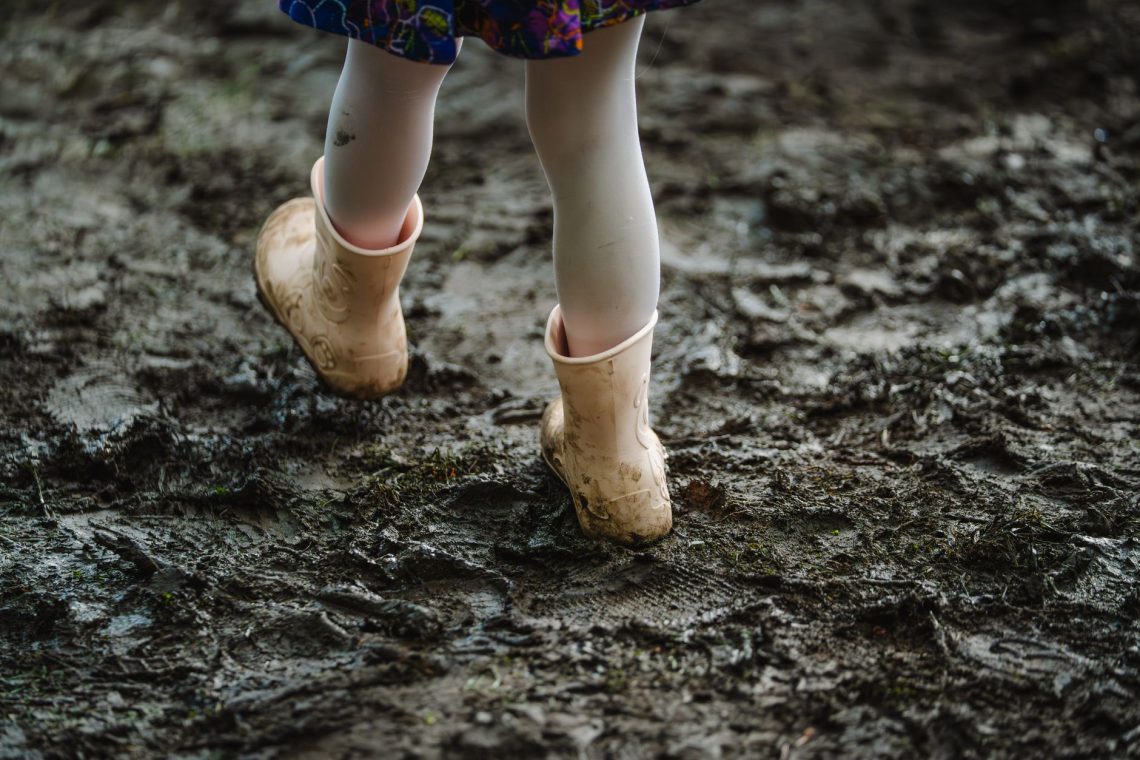
Rubber is straightforward for muddy outings because surface dirt can usually be rinsed away. A restrained shape in black, dark brown or olive is easy to combine with a weekend wardrobe. Check the care instructions here too: trims, linings and mixed materials may need different treatment.
Suede, pale fabric panels and elaborate stitching require more consideration. They are not impossible choices for outdoor wear, but they give dirt more places to settle or make marks more noticeable. If easy cleaning is your priority, favour a simple upper with fewer decorative seams, straps and buckles.
Check the fit with your walking socks
Try boots with the sock thickness you will actually use. Your toes need room to move, and your heel should feel secure without being clamped. Do not assume a painful boot will soften into the right fit. Walk around indoors on a clean surface and notice any pressure across the toes, ankle or instep.
Laces let you adjust the fit, although muddy laces and eyelets take longer to clean. Pull-on styles are quick to wipe down, but check that your foot does not slide excessively inside. Elastic panels and zips also deserve a look: consider how exposed they will be to splashes and how you will clean around them.
Make the clothes work with the boots
The easiest outfit is one that keeps fabric away from the ground. Straight trousers should finish clear of the sole rather than pooling over it. If you turn up jeans, keep the cuff small; a deep fold can collect grit and leave you with another cleaning job.
For taller boots, use trousers that sit comfortably inside without tight folds behind the knee. Avoid forcing wide hems into the shaft. A knit, an overshirt or a simple waterproof jacket gives the practical footwear a clear place in the outfit, especially when the colours relate to each other.
You do not need to match everything. Brown boots can sit comfortably with navy, cream and denim; black works easily with charcoal, blue and muted green. Repeat one colour elsewhere if the boots feel visually heavy, then let the rest of the outfit stay uncomplicated.
Build in a five-minute clean before lunch
The secret to wearing walking boots afterwards is partly choosing them well and partly carrying a small cleaning kit. Keep a soft brush, a cloth, some water and a bag for dirty items in the car. A boot tray or washable mat gives you somewhere to stand while dealing with the worst of the mud.
- Remove loose clumps outdoors, including mud caught around the heel and sole edge.
- Use the brush gently on the tread, taking care not to splash your trousers.
- Wipe or rinse the upper as its care instructions allow, then use a clean part of the cloth around the opening.
- Check the soles before entering a café, pub or shop, and use the entrance mat.
This is a tidy-up, not a substitute for proper care. Once home, remove remaining dirt, open the boots up and let them dry naturally away from direct heat. Follow the maker’s guidance for conditioning leather or caring for rubber, and store them only when dry.
The right pair should suit both halves of your day: steady and comfortable on the route, then presentable with a quick clean. Choose for the mud you expect, the trouser shapes you wear and the maintenance you will actually do. Those are the boots most likely to leave the car with you.