The best plus-size dress does not hide your body or force it into one approved shape. It gives your shoulders, bust, waist, hips, and legs enough room to move while creating the outline you want. The right silhouette can make shopping faster, but only if you judge the cut instead of trusting a size label.
What makes a dress silhouette flattering?
Flattering fit means visual balance and physical comfort at the same time. A dress can look polished in a product photo yet fail because the armholes pinch, the bust pulls at the buttons, or the skirt clings across the stomach. A good silhouette controls where fabric skims, where it releases, and where the eye naturally stops.
Start with the widest measurement
Measure your bust, natural waist, and fullest hip while wearing the bra you plan to wear with the dress. Use the largest measurement as your starting point. If your bust measures 48 inches but your hips measure 52 inches, a dress sized only from the bust will often pull at the lower skirt. Look for cuts with stretch, a fuller skirt, or adjustable shaping rather than sizing down to make the waist look sharper.
Look for controlled ease
Ease is the space between your body and the garment. Too little ease creates drag lines and pulls. Too much ease can make a structured dress look like a tent. For woven dresses, 2 to 4 inches of extra room around the bust and hip usually gives useful movement. Jersey can need less because it stretches, but thin jersey may reveal every seam underneath. My verdict: choose a dress that follows your outline through one area and releases cleanly through another. That creates shape without relying on tightness.
Which silhouettes suit different body proportions?
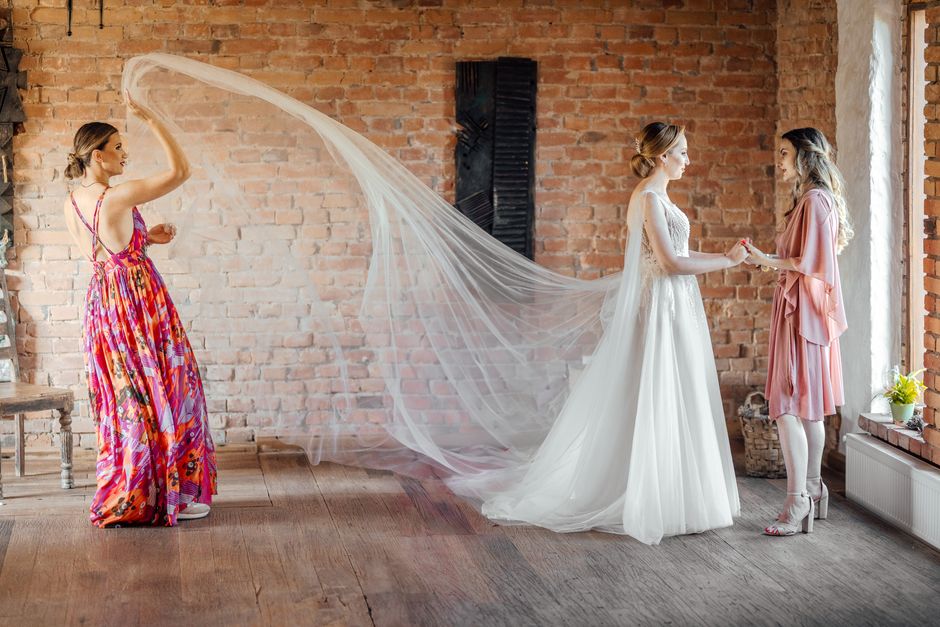
The strongest choice for most shoppers is an A-line or fit-and-flare dress with a defined point near the smallest comfortable part of the torso. It gives the lower body room and keeps the outfit from hanging in one straight block. That does not make other silhouettes wrong. It simply gives you the most reliable starting point when you are unsure.
A-line for a fuller hip or stomach
An A-line dress narrows near the upper body and widens toward the hem. The skirt should begin widening before it reaches the fullest part of your hip, not suddenly flare from a tight band. A midi hem between 44 and 50 inches from the shoulder often works well for plus-size day dresses, but check the garment measurements because brands place the waist at different heights.
Wrap and faux-wrap for a fuller bust
A wrap dress creates a diagonal line across the torso and lets you adjust the fit. The best versions use a wide tie, an inner button, and enough overlap to prevent gaping. Universal Standard’s Geneva Dress, often priced around $150, shows why a flexible waist and soft jersey can work for several proportions. For a fuller bust, add a small hidden snap if the neckline opens while you move. My verdict: choose a genuine wrap or secure faux-wrap when you want adjustable shaping; skip a fixed waistband that sits several inches above your natural waist.
How should you choose a dress by occasion?
Dress shopping gets easier when you match the silhouette to the movement and level of structure required by the event. A wedding guest dress needs a different balance from a work dress or a weekend maxi. Start with the activity, then select the shape.
- For work: Pick a sheath with stretch, a structured A-line, or a fit-and-flare with sleeves. Look for ponte, crepe, or a medium-weight knit. A 24- to 28-inch back slit can improve walking comfort, but the slit should stay closed when you stand still.
- For weddings: Choose a wrap, empire-line, or pleated midi with a lining. Adrianna Papell plus-size dresses commonly sit around $120 to $180 and show how beading or chiffon can add occasion detail without adding a stiff skirt. Check the lining length before buying; a sheer outer layer does not fix a short lining.
- For travel: A knit maxi or tiered midi wins because it resists wrinkles and allows long periods of sitting. Universal Standard’s Geneva Dress and Old Navy’s EveryWear Jersey Midi Dress, often priced near $40, are useful reference points for soft stretch construction.
- For a formal evening: Pick a column, empire, or controlled mermaid shape only when the fabric has enough weight to hang smoothly. Torrid’s satin and evening styles often range from $70 to $150. Satin shows drag lines quickly, so check the bust and hip measurements before focusing on the color.
My clear recommendation: for one dress that handles the most situations, buy a lined fit-and-flare midi in a medium-weight knit. It offers more comfort than a rigid sheath and more polish than an oversized tiered dress.
What should you check in the fitting room?
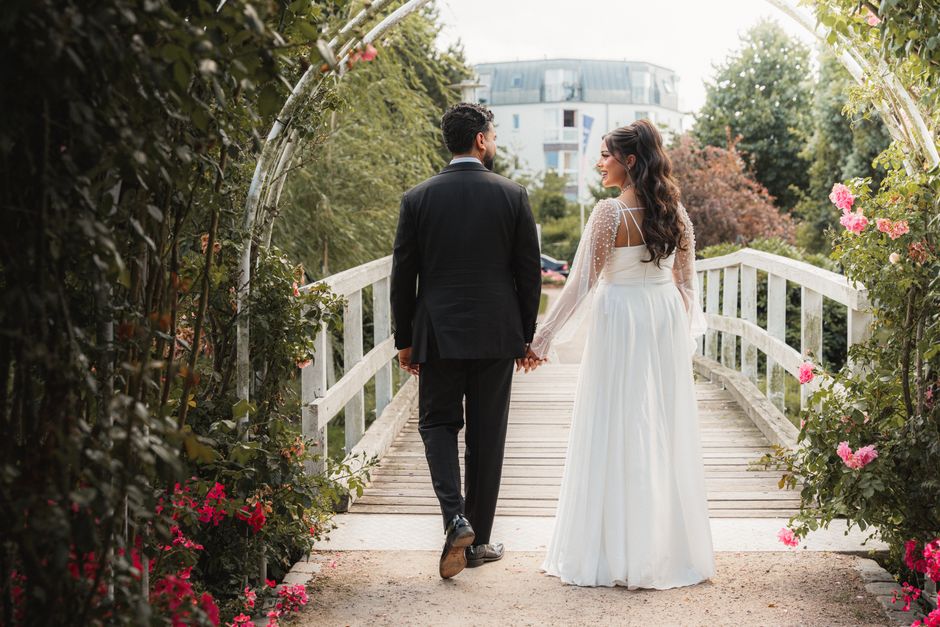
Use movement as your test. Standing still tells you almost nothing about a dress. A silhouette earns its place when it survives sitting, reaching, walking, and turning without constant adjustment.
The five-minute fit test
Put both arms overhead, then cross them in front of your body. If the shoulder seams move far beyond your shoulder or the armholes cut into your underarm, the bodice needs a different size or cut. Sit in a chair for one minute. The waist should not roll upward, and the back hem should not climb so high that you keep pulling the dress down. Walk ten steps and turn around. A skirt that twists toward one side usually has uneven tension or a lining that grips the outer fabric.
Read the drag lines
Horizontal lines across the bust or hip mean the dress lacks room. Diagonal lines from the armpit toward the waist can signal a narrow bust or misplaced armhole. Excess fabric pooling below the bust often means the bodice is too long, not that you need a smaller size. Check fiber content too. A dress with 3% to 8% elastane usually offers useful recovery, while a loose polyester knit may stretch during the day and fail to return to shape. Verdict: trust strain lines and movement more than the number printed on the tag.
When should you skip a popular silhouette?
A trendy cut is not automatically a useful cut. Skip any dress that creates a problem you will spend the whole day managing.
Do not buy a tight sheath for the wrong reason
A sheath can look excellent on a curvy body, but it needs accurate bust, waist, and hip measurements. Avoid one when the fabric contains no stretch and the size chart gives less than 2 inches of ease at your fullest point. Pulling at the zipper is not a styling issue; it means the dress does not fit. Choose a ponte sheath instead, or move to an A-line cut.
Do not let an empire waist swallow your shape
Empire dresses work well when the seam sits just below the bust and the skirt falls in a clean line. They fail when the seam lands directly across the fullest part of the bust or the skirt begins too far below it. That placement can add bulk and make the torso look shorter. A soft V-neck, vertical pleats, and a skirt that releases early can solve the problem. Skip the style if the seam cannot sit comfortably under your bust, even when the rest of the dress fits.
Also be careful with very thin tiered cotton, stiff taffeta, and clingy ribbed knits. These fabrics exaggerate fullness instead of shaping the outline. My verdict: reject a silhouette when it needs shapewear, safety pins, or repeated tugging just to stay in place.
How do fabric and details change the fit?
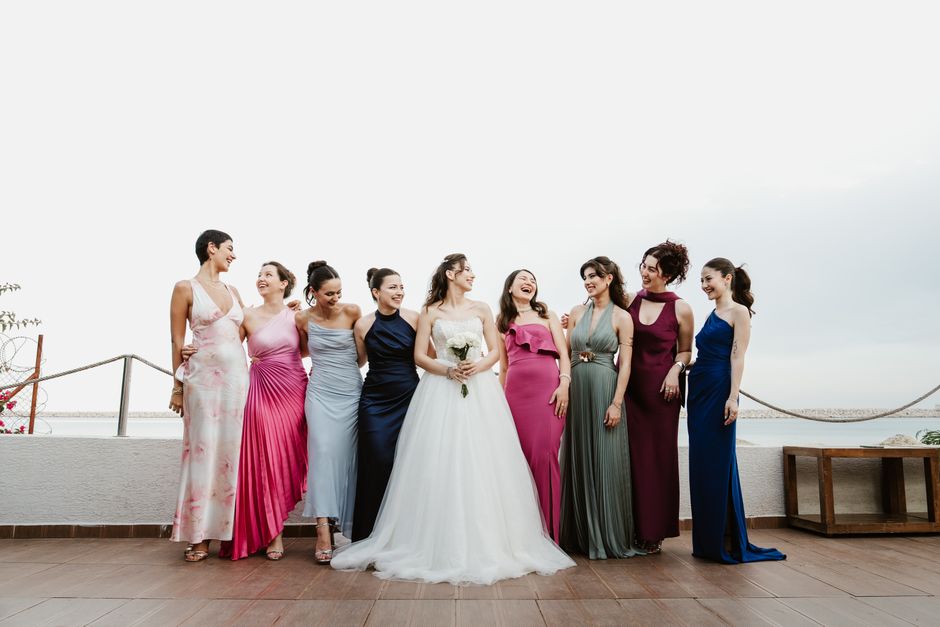
Cut gets the attention, but fabric decides whether that cut keeps its promise. Two dresses with the same A-line pattern can look completely different in a dense ponte knit and a thin rayon jersey.
Choose fabric by the effect you want
Ponte creates a smooth, structured line and works best for work dresses or polished travel outfits. Jersey feels easier and drapes well, but a thin version can cling around the stomach and show bra edges. Poplin gives an A-line or shirt dress crisp shape, although it may need extra room across the bust. Chiffon adds movement but requires a good lining. Satin reflects light and exposes pulling, so buy it only when the bust and hip fit are already right.
Use details as visual tools
A V-neck can lengthen the upper body, while a square neck gives a firm frame to a fuller bust. Three-quarter sleeves can balance a bold skirt, but tight sleeve openings limit movement. Vertical seams, front pleats, and a long row of buttons draw the eye up and down. Wide belts work better than narrow belts when you want a clear waist because they stay flat and do not dig into the torso. Land’s End’s Plus Size Fit and Flare Dress, often listed near $90, is a useful example of how a defined waist and fuller skirt can create shape without a rigid corset. Verdict: prioritize fabric recovery and seam placement before decorative details.
Which silhouette is the best first purchase?
For most plus-size wardrobes, a fit-and-flare midi is the best first purchase. It offers a defined upper body, room through the hip, and enough structure for work, dinners, and events. A wrap dress comes second when you want adjustability, while a column dress makes more sense when you prefer a long, clean line and do not need a shaped waist.
Quick silhouette comparison
| Silhouette | Best use | Watch for | Typical price |
|---|---|---|---|
| A-line | Daily wear and work | Skirt starts too late at the hip | $35-$120 |
| Fit-and-flare | One-dress wardrobe | Waist seam digs in | $50-$180 |
| Wrap | Adjustable bust and waist | Neckline gaping | $45-$160 |
| Column | Formal or minimalist outfits | Thin fabric clings | $70-$250 |
| Empire | Comfort and maternity-friendly wear | Seam sits on the bust | $40-$140 |
If you want the safest buy, select a lined fit-and-flare with a 2% to 8% elastane blend, a waist seam near your natural waist, and a skirt that reaches the knee or mid-calf. If you dislike waist definition, choose a column dress with substantial fabric and a side slit. If you want maximum adjustability, choose a wrap with an inner closure. These are clear choices, not a reason to buy every shape.
Plus-size dress design is moving toward better grading, stronger size ranges, and more useful information about garment measurements. That shift matters more than any single trend. Once you know where a silhouette should skim, release, and move, a dress becomes a design choice instead of a fitting-room gamble.